Inside the Human Phenotype Project: Dr. Smadar Shilo Talks AI, Glucose Modeling, and the Next Era of Personalized Care
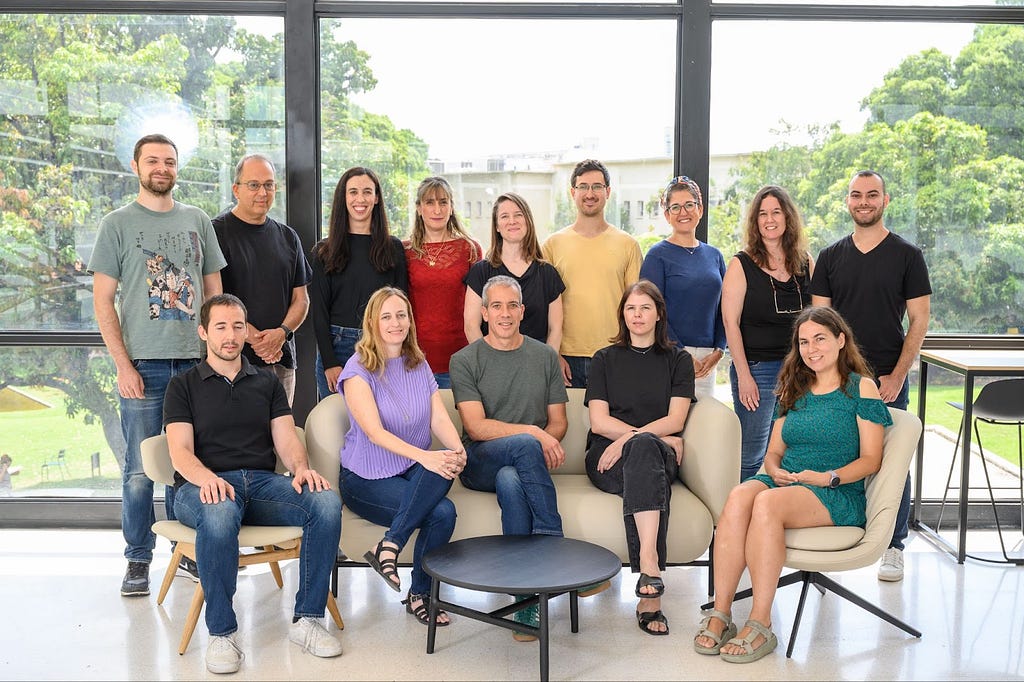
“Our ultimate vision in Eran Segal’s lab is to combine all this information into what we call a ‘digital twin,’ a model of a person that can predict how changes in lifestyle, medication, or other variables might impact their health. The goal is to use these tools to predict the next medical event and support personalized medicine in a truly transformative way.”
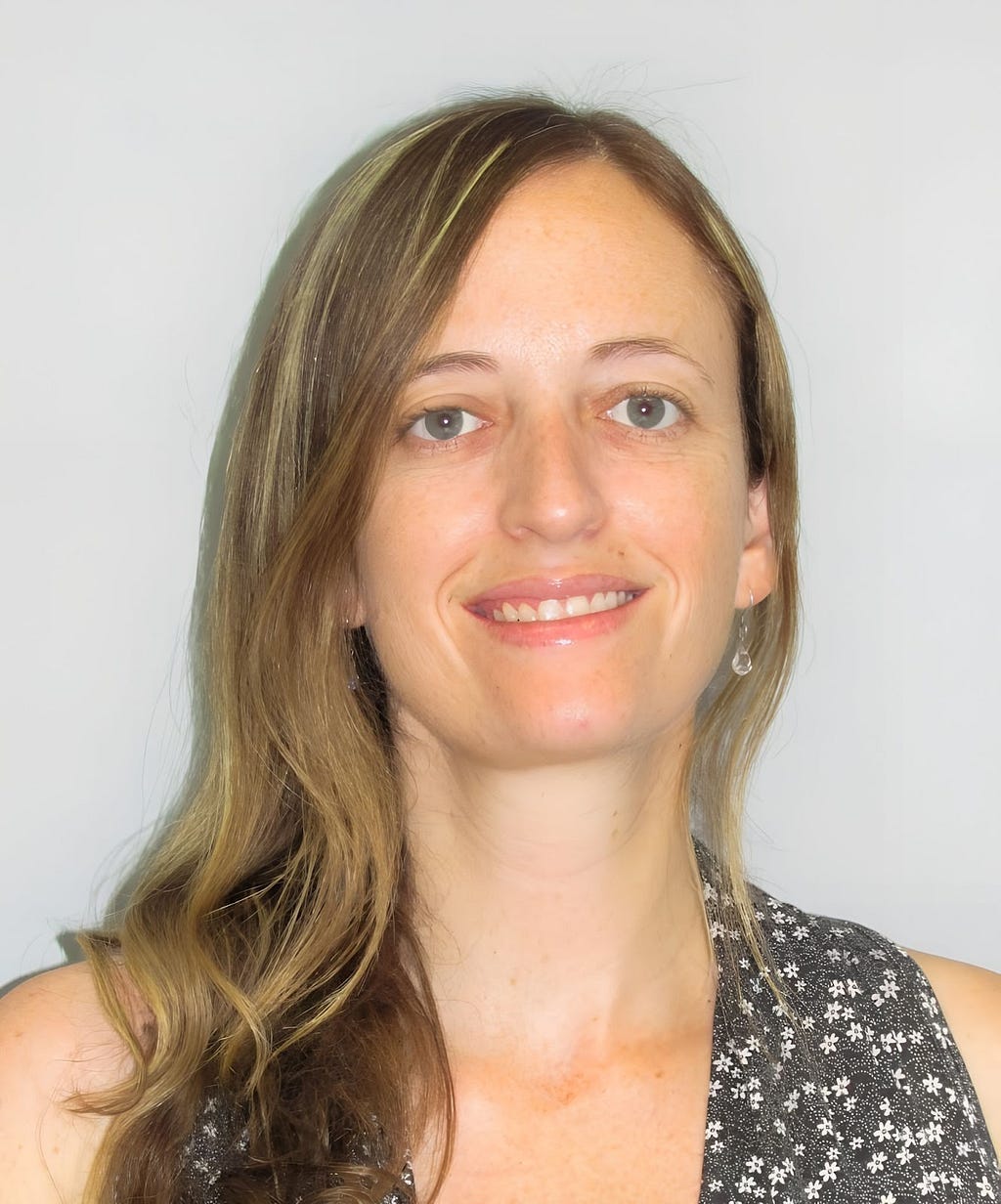
I had the pleasure of talking with Dr. Smadar Shilo. Dr. Shilo is an Israeli pediatric endocrinologist and medical scientist whose work bridges the fields of clinical pediatrics, artificial intelligence, and molecular biology. A senior physician at Schneider Children’s Medical Center and a senior lecturer at Tel Aviv University’s Faculty of Medicine, Dr. Shilo also holds a research position at the Weizmann Institute of Science, where she is affiliated with the laboratory of Professor Eran Segal. Her work focuses on integrating large-scale biological, clinical, and behavioral datasets to improve diagnostic tools and treatment strategies through artificial intelligence and personalized medicine.
Born and raised in Israel, Shilo completed her medical degree at the Hebrew University. Her early career was marked by a commitment to clinical excellence, particularly in pediatric care. She trained in multiple prominent hospitals across Israel, including Hadassah Medical Center, and Rambam Health Care Campus. Initially focused on direct patient care, Shilo’s interest in research emerged during her pediatric residency, driven by a desire to address the limitations clinicians often face in complex or poorly understood conditions.
This interest led her to the Weizmann Institute of Science, where she undertook a PhD in the Department of Computer Science and Life Sciences in Prof. Eran Segal’s lab, working at the intersection of biology and data science. There, she was part of a team that initiated a longitudinal research initiative known as the 10K Project or Human Phenotype Project, a large-scale effort to build a deeply phenotyped biobank of Israeli and international participants. Launched in 2018, the study has now enrolled tens of thousands of individuals and collects both clinical and molecular data over time, including genomic sequencing, metabolomics, continuous glucose monitoring, sleep tracking, immune system profiling, and lifestyle questionnaires.
A notable focus of Dr. Shilo’s research has been the development of predictive models for disease risk and progression. These models combine traditional health metrics with molecular and behavioral data, using machine learning algorithms to identify early signals of disease and to propose personalized interventions. One such model, Led by the PHD student Guy Lutsker called Gluformer, was trained on over 10 million glucose measurements and has demonstrated superior performance to conventional diabetes risk assessments, such as the A1C test.
This integration of computational tools and clinical data underpins a broader ambition to build so-called “digital twins”, comprehensive virtual profiles of individuals that simulate how different medical or lifestyle interventions might affect their health. These models aim to support preventive care strategies and tailor treatments to the unique biological and behavioral makeup of each patient. According to Dr. Shilo, such tools could eventually shift medicine from a reactive model to one grounded in long-term prediction and prevention.
Her research has produced findings with implications beyond endocrinology. For example, one study found that while genetic data could predict a participant’s ethnic group, microbiome profiles could not, suggesting environmental factors play a dominant role in shaping the human microbiome. Notably, the international expansion of the Human Phenotype Project, with participant recruitment extending to Japan and cities in the Arab world will allow a deeper analysis of how ethnicity, diet, environment, and genetics intersect in health and disease. Another analysis revealed that standard diagnostic ranges for glucose might be misleading, as nearly 40% of individuals classified as “normal” based on fasting glucose levels would later test in the prediabetes range when measured over time with continuous monitors.
Shilo’s work has been published in journals such as Nature, Nature Medicine, Nature Communications, and Diabetes Care, and is widely cited in academic and medical communities. Her studies on the gut microbiome, metabolic disease, gestational diabetes, and the impact of COVID-19 on national health metrics have contributed to a growing body of literature advocating for individualized, data-driven healthcare.
In her clinical practice at Schneider Children’s Medical Center, the largest pediatric hospital in Israel, Shilo treats children with endocrine disorders, including diabetes, obesity, and growth-related conditions. The dual nature of her career enables her to test scientific findings in real-world settings and to bring clinical questions back to the lab for further exploration.
Dr. Shilo is also involved in academic training, teaching medical students and residents at Tel Aviv University. Her educational approach emphasizes the importance of interdisciplinary fluency, training future physicians to navigate both the complexities of patient care and the evolving landscape of medical data science.
A mother of three, Shilo has spoken openly about the emotional weight of pediatric medicine. She recalls working in neonatal intensive care during her own pregnancy and describes the intense emotional and ethical challenges of caring for critically ill children. At the same time, she views pediatrics as a profoundly hopeful field, noting that children often recover remarkably well and that early interventions can have lasting impacts on health trajectories.
Asked what broader movement she would most like to see in medicine, Dr. Shilo points to preventive care and lifestyle interventions. She has expressed concern about the preventable nature of many chronic diseases and is an advocate for initiatives that promote better sleep, nutrition, and physical activity across populations. In both her clinical and research roles, she emphasizes that early and sustained investment in health behaviors may have more impact than treatment after disease onset.
Shilo’s work continues to bridge the clinical and computational, drawing on her dual identity as physician and data scientist to help shape the future of precision medicine.
Yitzi: Dr. Shilo, it’s an honor to meet you. Before we dive in deep, our readers would love to learn about your personal origin story and your background. Can you share with us a story of your childhood, how you grew up, and the seeds of what led you to this amazing career in artificial intelligence?
Dr. Shilo: Thank you. I was born and raised here in Israel. After I finished my mandatory army service, I decided that my life mission was to become a physician. I really wanted to pursue medicine, and I did. I studied medicine at the Hebrew University, then continued into a residency in pediatrics , driven by the simple truth that children are the most amazing beings in the world.
During my medical training, I was always motivated to be the best clinician I could be. I hadn’t even entered a lab during all those years. But as I was wrapping up my residency, I started becoming more interested in the research side of medicine. I realized that there are many times we feel helpless in front of our patients, and I felt that to make an impact on a larger scale, research was the way to do it.
So I joined the physician-researcher track at the Weizmann Institute of Science, in Professor Eran Segal’s lab. I completed a PhD in the Department of Computer Science and Life Sciences. After that, I did an additional clinical fellowship in pediatric endocrinology.
Currently, I’m a senior pediatrician and pediatric endocrinologist at Schneider, which is the largest children’s hospital in Israel. I also continue my research in Professor Eran Segal’s lab and serve as a senior lecturer at Tel Aviv University in the Faculty of Medicine. And I have three kids. So, that’s my journey.
Yitzi: Do you happen to be a genius? (Laughs)
Dr. Shilo: No, no. I’m just doing things that interest me. I’m really passionate about what I do, and I think that’s where the drive comes from. When you love and care about your work, it pushes you to do more. I get to do a lot of interesting things because I truly enjoy doing them.
Yitzi: You probably have some amazing stories from your work and your professional life. Can you share with our readers one or two stories that most stand out in your mind from your work or your professional career?
Dr. Shilo: I think as a pediatrician, you experience a lot of situations that are incredibly difficult. When I was in my second pregnancy, I did a lot of shifts in the neonatal intensive care unit. I had to attend births that didn’t progress as expected and resuscitate newborns. Being pregnant myself at the time made it emotionally very challenging.
Pediatrics is one of the most beautiful professions because we get to treat children, who are amazing and so full of life, and they usually heal very well. But on the other hand, when a child has a serious illness or something happens to a child you’re caring for, it can be incredibly painful. Being a pediatrician in a hospital setting is especially tough because that’s where the most complex cases come in.
I’ve lived through many powerful moments during my residency and now as a senior physician. On the research side, I’ve had some really fascinating experiences as well. Discovering the field that combines computation and medicine was eye-opening for me. The insights you can uncover by integrating these two worlds are just incredible.
With all the new computational methods emerging in recent years, the potential is truly amazing. For me, it’s very inspiring to be at this unique point in time, on one side, practicing medicine in the hospital, and on the other, working in an innovative research lab like Professor Eran Segal’s. I’m constantly learning and applying the most cutting-edge computational tools, and uncovering insights that could really move the field forward. It’s something I find deeply meaningful and inspiring.
Yitzi: So let’s now go to the centerpiece of our interview. Can you share with our readers the exciting new developments or new research that you’ve encountered?
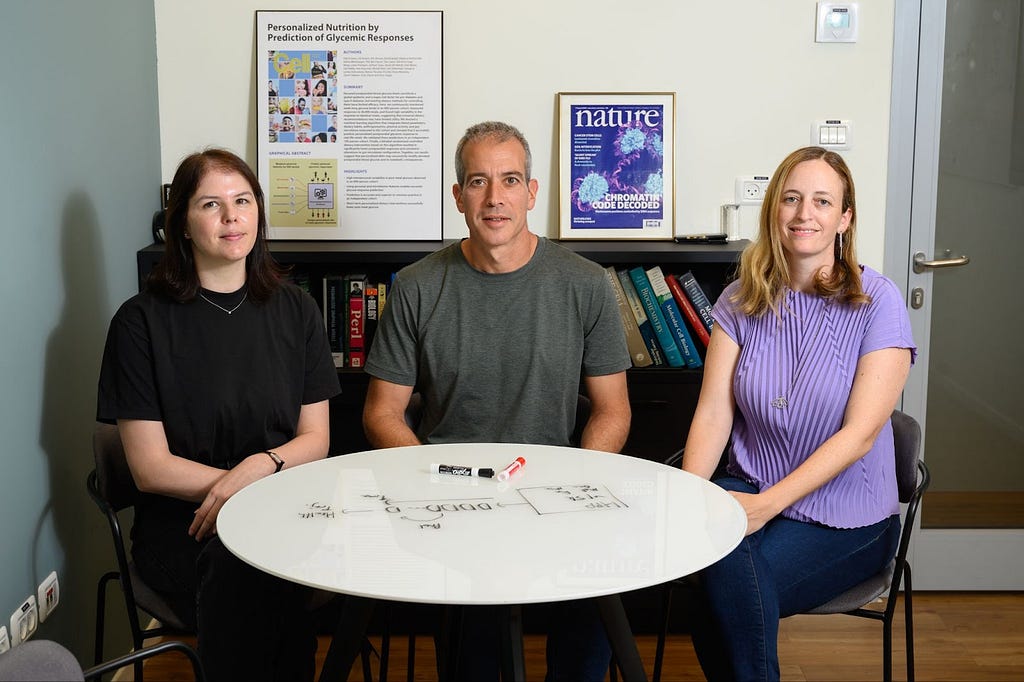
Dr. Shilo: Sure. We recently published a paper in Nature Medicine, which I co-led with Dr. Lee Reicher, that describes a major project we’ve been working on since 2018. At the time, I was in my PhD, and I was part of a group of researchers led by Professor Eran Segal. The project was originally established to create an Israeli biobank, similar to well-known efforts like the UK Biobank and the All of Us Research Program.
Initially, our goal was to enroll 10,000 individuals, but the project has since grown significantly. Today, more than 13,000 individuals have fully participated, and nearly 30,000 have enrolled overall. We’re also expanding internationally, including to Japan and the United Arab Emirates (UAE), which is incredibly exciting.
We collect a wide range of data layers from each participant and follow them longitudinally. On one side, we gather clinical information like blood tests, anthropometric measurements, hand grip strength, voice samples, imaging, and very detailed questionnaires. On the molecular side, we include genetics, metabolomics, RNA sequencing, and immune system profiling. We also collect continuous data using glucose monitors and sleep tracking devices, creating a rich, multidimensional dataset.
This allows us to do some very interesting analysis. For example, one unique aspect of the Israeli population is its ethnic diversity. Therefore, we can explore how ethnicity influences different biological and medical modalities. We found, for instance, that while genetic data can be used to predict a person’s ethnic group, microbiome data cannot. This shows how the microbiome is more influenced by environmental rather than genetic factors.
Another important contribution is the ability to define reference ranges for health data that hasn’t been collected at this scale in healthy individuals. As a pediatric endocrinologist, I treat children with diabetes who often use continuous glucose monitoring devices. But in healthy individuals, we’ve historically had very little data derived from continuous glucose monitoring devices. Using our cohort, we’ve now defined reference ranges for this kind of continuous data and even so how it may challenge traditional diagnostic methods.
For example, diabetes can be currently diagnosed based on the fulfillment of one of several criteria, among them are fasting glucose levels, with fasting glucose levels under 100 mg/dl considered normal. But in our study, repeated measurements showed a lot of variability. In fact, 40% of individuals classified as normal at baseline would later fall into the pre-diabetes range. This calls into question the reliability of current diagnostic thresholds and shows how continuous monitoring can reveal much more.
We also developed models to predict biological age by organ system, a work led by Dr. Noam Bar and Lee Reicher . For instance, we can estimate the biological age of the cardiovascular system and found that when this is higher than a person’s chronological age, it correlates with worse health outcomes. The whole idea of the biological clock is fascinating and has major implications for preventive care.
In parallel, we’re studying disease-specific cohorts like those with inflammatory bowel disease and endometriosis. We can compare these individuals to healthy controls from our dataset and see how diseases affect the microbiome, metabolite levels, and other biomarkers. This helps us uncover potential molecular mechanisms and pathways for disease.
We also collect detailed lifestyle data, including nutrition, sleep, and exercise. Because some of our measurements are continuous, like sleep tracking, we’re not just relying on self-reported questionnaires. This gives us a more robust picture. We’ve already shown, for example, that diets high in ultra-processed foods and lower physical activity levels are associated with poorer health outcomes.
Lastly, we’re leveraging AI and machine learning to make sense of this massive dataset. One model we developed, called Gluformer, Led by the PHD student Guy Lutsker, was trained on over 10 million glucose measurements from continuous monitors. It can generate personalized glucose profiles and predict future diabetes risk more accurately than the current gold standard, the A1C level.
Our ultimate vision in Eran Segal’s lab is to combine all this information into what we call a “digital twin”, a model of a person that can predict how changes in lifestyle, medication, or other variables might impact their health. The goal is to use these tools to predict the next medical event and support personalized medicine in a truly transformative way.
Yitzi: Just to clarify for our readers, can you tell us a bit more about the idea of biological age? Does that mean, for example, if I’m in my forties, I could biologically be 20? And would that mean I’ll live longer? Or what exactly does it mean?
Dr. Shilo: It means your overall health is better. We actually divided biological age by systems. For example, we created a model for cardiovascular system age. We even calculated biological age based on RNA sequencing data. What we found is that when a person has a higher biological age in a specific system compared to their chronological age, it’s associated with worse health parameters.
Yitzi: Is there a way to do a quick pinprick test and determine someone’s biological age on the spot, or does it require long-term measurements?
Dr. Shilo: We base it on the data we’ve already collected on a person. So, if we have access to that kind of data, we can use it to predict their biological age.
Yitzi: That’s just for the people in your study, right? For a new patient, you wouldn’t be able to…
Dr. Shilo: You can use the models trained on the large dataset we’ve built. The idea is that if the population sample is big and diverse enough, it can represent and generalize well to new individuals.
Yitzi: Unbelievable. So that’s the idea behind a digital twin, you’re able to say, based on this lifestyle, diet, exercise, age, genetic background, and microbiome, this is your digital twin. But it doesn’t mean you’re running a test and getting a precise readout of someone’s health?
Dr. Shilo: Exactly. It’s about using all the existing data. We apply very advanced models, like self-supervised learning models, that can learn from the data and identify meaningful patterns. Then, when a new person comes in, we will be able use their data to predict the likely effects of different interventions. That’s the vision of personalized medicine.
Yitzi: Unbelievable. So people would have something like a CGM, but it would go beyond glucose and track all kinds of metrics, is that the idea?
Dr. Shilo: Exactly. To develop a true digital twin, you need to integrate many different types of data. We’ve shown, for example, that with glucose data alone, you can accurately predict outcomes related to glucose metabolism. But imagine adding ECG measurements, vascular data from the carotid artery, bone density scans, all these different modalities. When you combine them, you can start predicting a much broader range of health outcomes and also understand the impact of specific medications.
Yitzi: Unbelievable. Were there any findings that really surprised you? For example, we often hear that exercise is essential, but maybe diet or something else is even more important and we don’t emphasize it enough. Did anything like that come through in the data?
Dr. Shilo: I’m trying to think. One thing that stood out was how clearly we saw lifestyle differences across ethnic groups. For example, Ashkenazi participants tended to spend less time in the sun, and that actually shows up in the data. We also noticed differences in blood test results and other biomarkers that varied between groups. Right now, we don’t have different reference ranges for different ethnicities, but maybe we should. That was definitely interesting.
Another surprising and powerful finding was how well biological age correlates with medical outcomes. It’s not just a theoretical concept, it has real, measurable implications for health.
And for me personally, one of the most exciting discoveries was the performance of the foundational models like Gluformer. It’s really mind-blowing to see a model that can generate a glucose signal for a person for a time period it hasn’t seen. And not only that, but it can predict deterioration and future risk much better than existing tools. That was truly one of the most exciting findings.
Yitzi: Were there any results you saw about sleep? Like, did the data show that people who get less sleep have poorer health outcomes, and those who sleep enough live longer or have greater longevity?
Dr. Shilo: Yes, that’s an interesting finding. There was actually a paper from our lab that focused specifically on sleep, led by the student Sarah Kohn. It was published in Nature Medicine a few months ago and revealed some very interesting correlations.
We did see several associations between sleep and health outcomes, for example, correlations between different dietary patterns and sleep parameters. The sleep data itself is quite unique. Each participant had three nights of measured sleep, so it’s not just self-reported or based on a single night, it’s a much more reliable dataset.
One important insight we gained was how some sleep-related parameters change with age. I mentioned earlier the importance of age-based reference ranges, and sleep is a great example. For instance, sleep apnea is currently diagnosed based on the apnea-hypopnea index, but we found that this measurement actually changes with age. So it raises a meaningful question: should we have different diagnostic norms for different age groups? That’s something that came through in the data and is worth exploring further.
Yitzi: In America, the idea of a whole foods, plant-based diet is becoming more popular. Have you seen whether that has any long-term health differences?
Dr. Shilo: Yes, we did see a good impact. We actually divided different scores based on various types of data, work led by Dr. Michal Rein. We had a Mediterranean diet score, a Paleo diet score, a vegetarian score, a vegan diet score, and an ultra-processed food score. We presented a figure that not only showed how different diets are correlated with future health outcomes, but also looked at the hazard ratio for metabolic disease two years ahead.
We saw a strong correlation. The Mediterranean diet score was very protective against future metabolic disease. This is also well documented in the literature as a beneficial diet, and we confirmed that in our data. Another interesting figure showed that changes in diet toward specific types of nutrition over time are also strongly correlated. For example, if someone shifts toward a more ultra-processed food diet, we see worse health outcomes. But if someone shifts their diet more toward the Mediterranean diet, or even toward a vegetarian or vegan diet, like you mentioned, we saw better associations in terms of BMI, waist circumference, blood pressure, and fat mass in areas like the arms and trunk. So it’s clear that dietary changes can significantly impact medical outcomes.
Yitzi: So you’re saying a Mediterranean diet includes lamb and fish?
Dr. Shilo: Yeah, it includes things like vegetable oils, and it does include meat. This was actually one of the best dietary patterns in our study. It had the strongest significant negative correlation with future metabolic health outcomes.
Yitzi: So you’re saying it’s good, or important, to have meat protein in moderation?
Dr. Shilo: Based on our data, paleo, vegan, vegetarian, and Mediterranean diets were all favorable. The Mediterranean diet showed a slightly higher correlation with some of the outcomes. In general, when you calculate everything as a percentage of total calories, assuming the same calorie intake, all of these diets showed positive effects. But the Mediterranean diet may be slightly better overall.
Yitzi: How about alcohol? Like, people who have zero alcohol, people who drink once a week, or those who drink too much, have you looked at that?
Dr. Shilo: That’s a good question. We actually didn’t look specifically at alcohol and its effects, but I agree it would be interesting to explore.
Yitzi: I’m curious if having alcohol in moderation is good for you.
Dr. Shilo: I think there are studies out there about that, but we didn’t include it in our analysis. In Israel, people generally don’t drink as much as in other countries. We do drink, but on average, alcohol consumption here is lower. So I’m not sure what kind of signal we would see, but it’s definitely a topic worth looking into.
Yitzi: Any data about coffee?
Dr. Shilo: We didn’t look specifically at that either. There were just so many research questions we focused on in this study, and I think it’s only the beginning. Like you said, there are so many other interesting questions we could explore with this data. I’m really passionate about it, I have so many ideas I still want to pursue.
Yitzi: I’d love to learn more about stress and exercise, different types of exercise.
Dr. Shilo: Yeah, so we did look at an exercise score, and we did see some correlations. But honestly, you could write an entire paper just on that. We just presented a small sample of what’s possible with the data, what you can explore. There’s so much more that could be done.
Yitzi: Amazing. I could talk to you for hours, but this is our final aspirational question. So, Dr. Shilo, because of your amazing work and the platform you’ve built, you’re a person of enormous influence. If you could put out an idea or inspire a movement that would bring the most good to the most people, what would that be?
Dr. Shilo: That’s a difficult question. Wow.
From a medical point of view,, I think a movement that improves lifestyle habits could make a huge difference. It’s something so basic, good diet, good sleep, exercise, and yet people struggle to stick with it. It leads to so much preventable disease. So, I’d want to see a healthy lifestyle movement succeed more than anything. Prevention is key. Once disease appears, it’s much harder to manage. That’s really where I try to focus my efforts, even in my clinic. I treat a lot of children with obesity, and I try to educate them as much as I can about healthy living. I hope that the models developed in our lab will help identify high-risk individuals, enabling earlier implementation of preventive measures.
Yitzi: Dr. Shilo, it’s such an honor to meet you. You’re clearly a special person, and I look forward to meeting you one day. I’m so excited to share this with our readers and with the world. I wish you continued success, and you should only have blessings and good health. I look forward to doing this again with you in the near future.
Dr. Shilo: Thank you so much. Me too, I had a lot of fun talking to you. I’d also like to take this opportunity to thank Prof. Eran Segal for his mentorship and ongoing support, as well as all the participants in the HPP project — this work wouldn’t be possible without them.
Inside the Human Phenotype Project: Dr Smadar Shilo Talks AI, Glucose Modeling, and the Next Era of was originally published in Authority Magazine on Medium, where people are continuing the conversation by highlighting and responding to this story.