Filmmaker Isabel Custer on Creating Joy Through Cinema, Founding a Festival, and Making Her Voice Heard — Literally
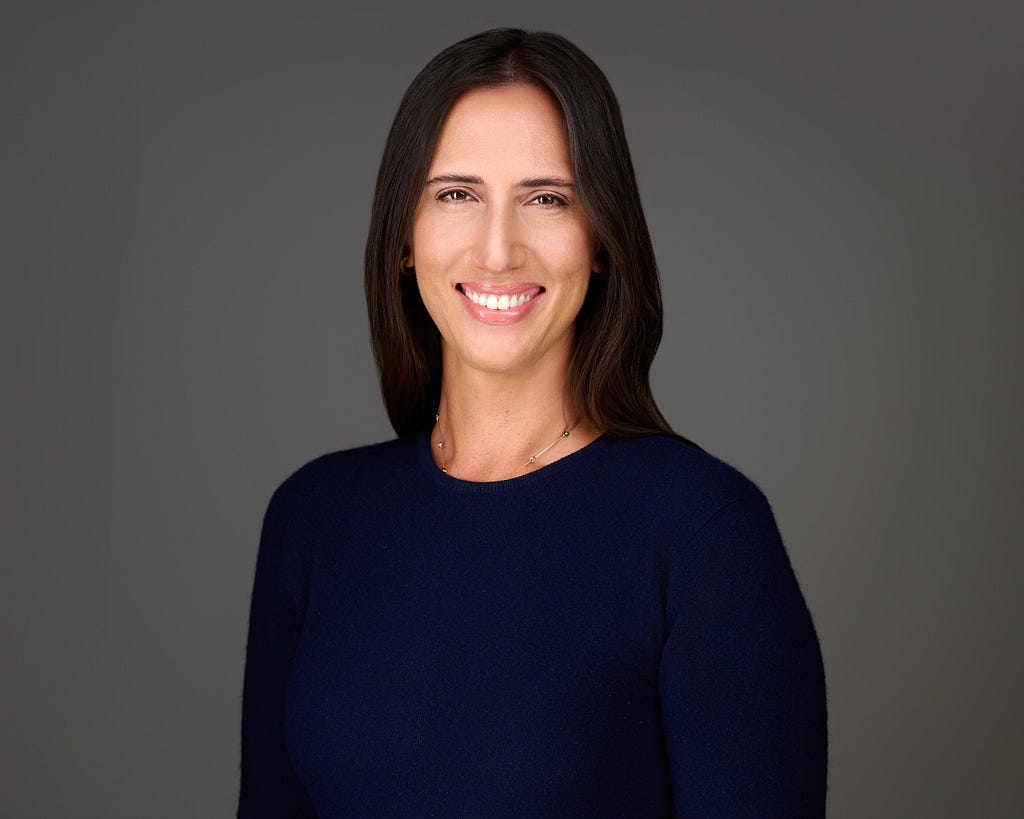
“I really, truly wish that everyone in the world knew that they’re loved. Because I think if people know they’re loved, they won’t feel the need to take something that’s not theirs… To me, comedy is like a weapon against that violence and sadness. I think comedy is so powerful. Joy is so powerful.”
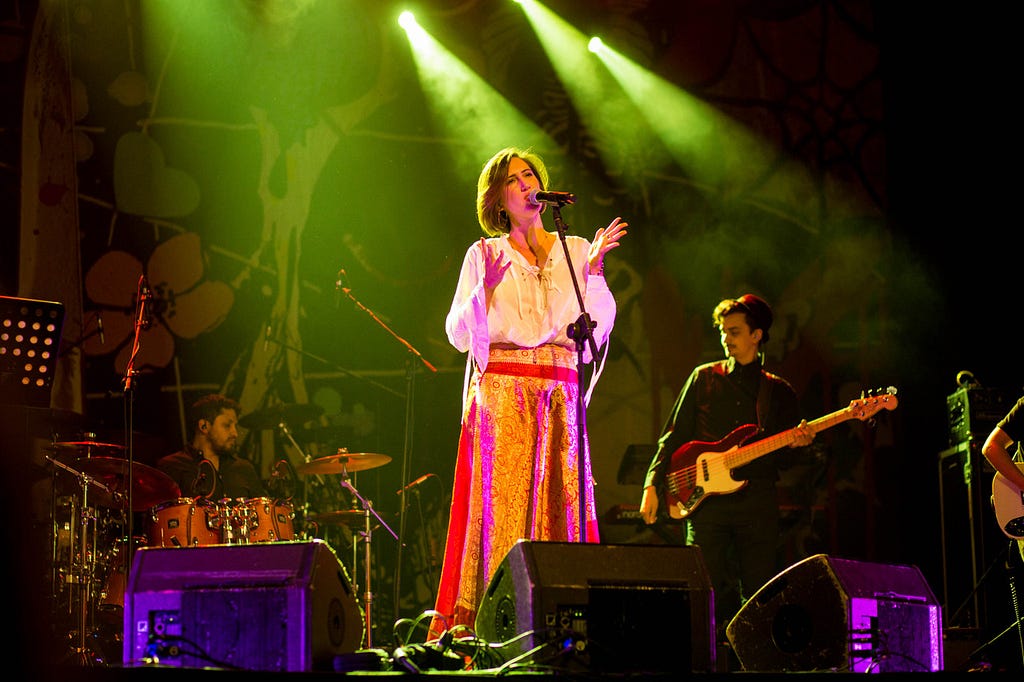
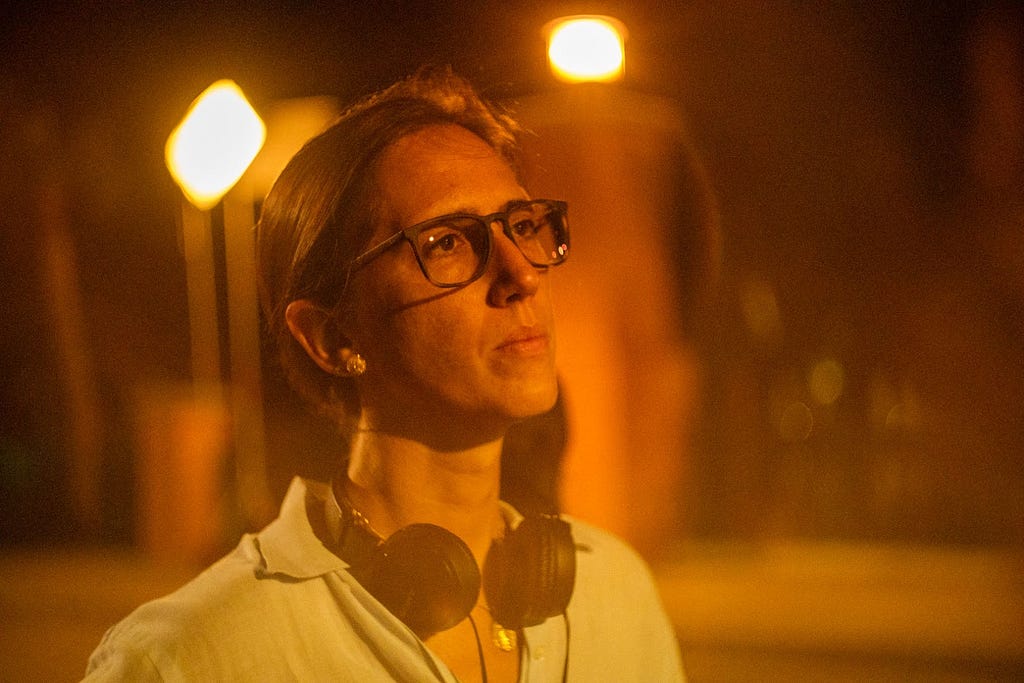
I had the pleasure of talking with Isabel Custer. Isabel is a Swiss-Peruvian-Chilean filmmaker, musician, and founder of the Key Biscayne Film Festival, whose creative career spans continents, disciplines, and genres. Based in Miami, her work has taken shape across narrative fiction, documentary, advertising, and music, reflecting a life lived between languages, cities, and mediums.
Born in Lima, Peru to a Swiss-Peruvian father and a Chilean mother, Custer spent her early years in Miami, which she considers the starting point of her memory and creative identity. Raised in a household where English was spoken, despite her Latin American heritage, she later became fluent in Spanish and French. These early cross-cultural experiences informed her artistic lens, and continue to shape her storytelling today. After spending 15 years abroad in cities such as New York, Paris, London, and Santiago, she returned to Miami, seeking both artistic grounding and personal continuity.
Custer’s education reflects her interdisciplinary inclinations. She holds degrees from NYU Tisch School of the Arts and La Sorbonne, institutions that helped nurture her commitment to storytelling. Her first foray into filmmaking occurred in high school, catalyzed by a formative trip to China and a supportive school environment in Connecticut, which created a custom film class to encourage her early projects. Soon after, she interned on the set of Darren Aronofsky’s Requiem for a Dream and worked in post-production on Julie Taymor’s Frida, experiences that gave her a firsthand understanding of both the artistic intensity and human fragility behind major productions.
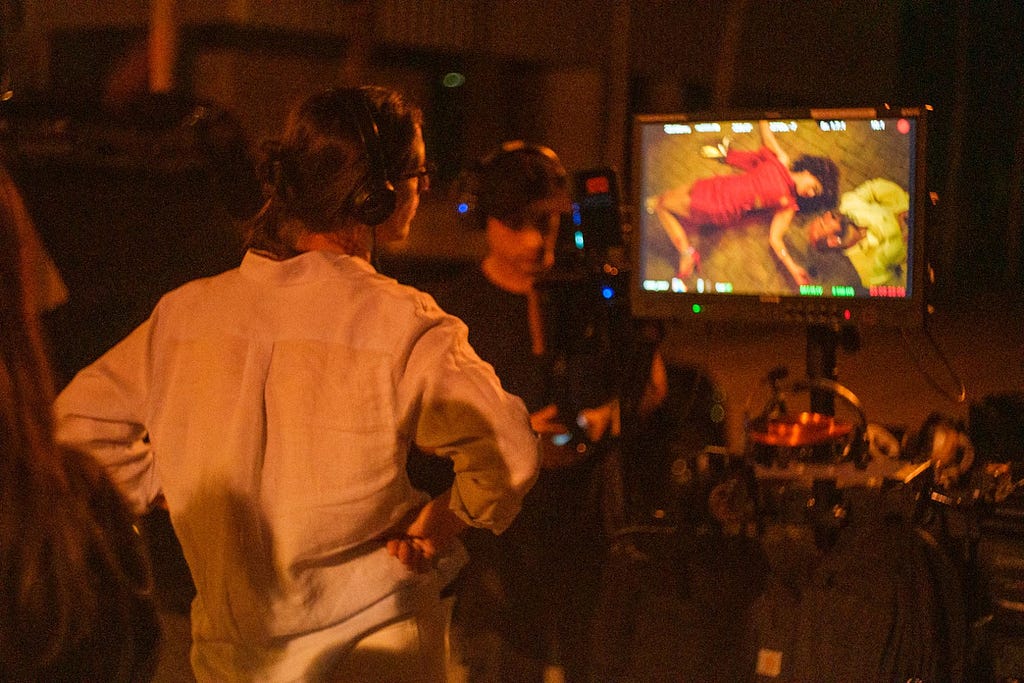
Despite her early proximity to high-profile figures in the industry, Custer gravitated toward independent filmmaking. She has described herself as a “multi-hyphenate content creator,” a label that reflects her work as a writer, director, producer, composer, and performer. Her debut feature film, As You Like It Like That, emerged over five years and was developed while she navigated life as a single parent and returned to school to hone technical editing skills. Rooted in Miami’s Little Havana neighborhood, the film reflects both personal history and a deep connection to the place. Custer also wrote and performed the closing credits song for the film, a synthesis of her musical and cinematic work.
In parallel with her filmmaking, Custer has released both an EP and a full-length studio album, writing original compositions that lean toward pop, with occasional excursions into opera and musical theater. While music has taken a backseat during her recent focus on film, it remains a core part of her creative practice.
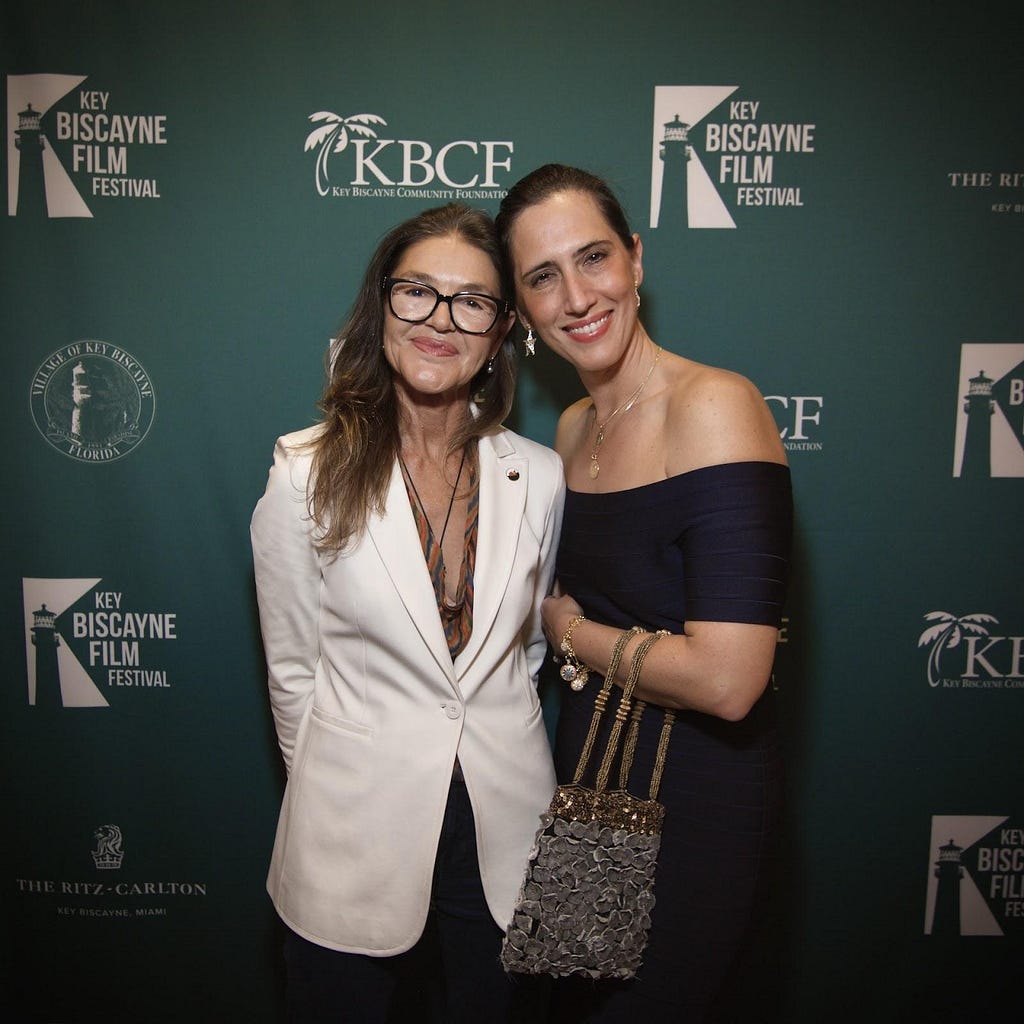
Custer’s commitment to community-building is evident in her leadership roles. She founded the Key Biscayne Film Festival to support local voices and independent creators and serves on the board of Miami Film Lab, a nonprofit dedicated to nurturing emerging filmmakers. She has described the relationship between festivals and filmmakers as symbiotic, emphasizing the need for institutions that connect storytellers to their audiences.
Her upcoming projects continue this personal and place-based ethos. Merengue Queen, the second installment in what she calls her “Miami Trilogy,” explores the life of a struggling single mother whose mute daughter becomes a viral dance sensation. Custer describes the film as a bilingual dramedy that aims to balance heart and humor while spotlighting underrepresented perspectives. She is also developing a third feature and nurturing a long-standing project based on the life of her great-aunt María Edwards, a Latin American socialite turned social worker who rescued Jewish children in Nazi-occupied Paris. Though the latter remains aspirational due to its scope and historical setting, Custer has written the script and created a pitch deck in hopes of one day bringing the story to screen.
Custer’s creative philosophy centers on intention. She views storytelling not merely as entertainment, but as a vehicle for nurturing connection, joy, and emotional truth. This belief extends to her views on artificial intelligence in art; while she sees value in AI’s utility for summarization and synthesis, she questions its capacity to generate beauty or emotion. For her, authenticity stems from the human voice, an irreplaceable instrument both literal and metaphorical.
Throughout her career, Custer has maintained that the most important collaborators are not celebrities or industry veterans, but peers and friends willing to work together. This ethos, combined with a belief in the emotional power of comedy, underscores much of her practice. Rather than focusing on prestige or recognition, she has prioritized relationships, storytelling craft, and a sense of purpose rooted in lived experience.
Her trajectory has not been linear, and she acknowledges past hesitations, turning down jobs at film festivals or in advertising due to a narrow definition of what a filmmaker should be. Over time, she has come to see all creative and logistical work as meaningful preparation. Whether organizing a community festival or navigating production logistics, she believes every skill acquired can ultimately serve the filmmaker’s larger vision.
As Custer continues to develop new projects and support the Miami creative community, her work remains animated by a sense of artistic hybridity and personal conviction. Whether through cinema, music, or mentorship, she aims to create stories that resonate, offering insight, levity, and, above all, a sense of shared humanity.
Yitzi: Isabel Custer, it’s a delight and an honor to meet you. Before we dive in deep, our readers would love to learn about Isabel Custer’s personal origin story. Can you share with us a story of your childhood and how you grew up?
Isabel: I was born in Lima, Peru to a Swiss-Peruvian father and a Chilean mother, but our language was English, strangely enough. When we moved to Miami, I had very few memories of Peru. Miami is really where my memory begins, so it feels like home. The subtropical vegetation, the humid weather, the warm rain, those things are a big part of my childhood.
I lived away from Miami for 15 years, in London, Paris, New York, and for a time in Chile, where my mother is from. I really missed it. Maybe we’re always looking for our childhood, but I think something about the vegetation was especially comforting to me.
I always danced, wrote, sang, performed, invented things. In grade school, I had notebooks upon notebooks, not just full of stories, but also of costume designs drawn from the front, back, and side. I put on plays and made my siblings be in them. I made them turn the lights on and off, that kind of thing.
It never really occurred to me to do anything else. I was told at some point that the person who should know a little bit about everything is the director. That stuck with me. I think I chose that path because I liked everything, I couldn’t just pick one thing.
Yitzi: So can you tell us the next chapter? How you first started as a filmmaker, or how you got started in the industry in general?
Isabel: Well, I guess as a filmmaker, it really began in high school. I had the opportunity to spend some time in China with a host family, which felt incredibly exotic to me. By the time I got back to my school in Connecticut, I decided I never wanted to do anything besides filmmaking ever again. I told the school they’d probably be relieved that I wouldn’t do any more math or science, and they agreed. They even created a filmography class for me, which is such a funny, old-fashioned name. But that’s where I made my first short film. After that, I felt like NYU Film School was the only place I could go.
Before I even started at NYU, I was a huge fan of Darren Aronofsky, and I was lucky enough to work on Requiem for a Dream, just as an intern, both on set and in the office. I think I was a terrible intern. They used to joke, “Isabel doesn’t go on runs, she goes on saunters.” But it gave me a real sense of what it takes to make a film, even though I was still years away from making my own.
I also got to work with another one of my heroes, Julie Taymor, who’s best known for creating The Lion King with puppets on Broadway. She did a film about Frida Kahlo, and I’ve always loved Frida, so I was thrilled to work on that. It was during post-production, for the producer.
After graduating, someone introduced me to a man named Jay Martel, who had worked with Michael Moore. He was working on his first feature called Terrorists, which, in hindsight, was probably a very tone-deaf title for the early 2000s. But he had all these amazing comedians in it. Looking back, if I had realized who I was working with, I might have stayed put in New York.
One thing I’d love to share with future filmmakers is that I kept getting hired as a line producer, which involves budgeting and very detailed logistical work. I never thought of myself as someone who belonged in that role. I kept saying no, telling people honestly, “I can’t possibly do this. I’ll really disappoint you.” I just didn’t feel confident in those more technical aspects of filmmaking.
I remember talking to Anne Ruark, a well-known line producer and indie film producer in New York. I told her, “I don’t know what to do. This man, Jay Martell, really needs a line producer.” And she said, very memorably, “I’m fresh out of favors, so you’ll have to do it yourself.”
I didn’t dare take on the line producer role, probably wisely, but I did agree to be his production manager. Then, in a kind of ironic next step, I decided I was ready to make my first feature. I went to Chile and wrote it, but I never ended up producing it because I moved to London and then to Paris. That project fell by the wayside.
I kept working in production and dreaming of making my feature. Nothing ever seemed to compare to that one idea, the opus, the opera prima.
Yitzi: Fascinating. So you probably have some amazing stories from doing all these different projects and different sets you’ve been on. Can you share with our readers one or two stories that most stand out in your mind from your professional life?
Isabel: I think the most compelling part of my career has been the past five years of making my first feature film. I never imagined it would take that long. In the grand scheme of a filmmaker’s life, five years is nothing. But when you’re 20 or 25, and you know that people like Orson Welles or John Singleton made incredible films before they turned 30, you can’t help but compare yourself. And I think that’s a mistake. That would definitely be on my list of top five things I wish someone had told me: don’t compare yourself.
Another important thing is tenacity, especially when it comes to building relationships. I decided to move back to Miami in November 2019, and I finally moved in January 2020. Two months later, everything shut down. But ever since Chile, I had dreamed of setting my film in a dry cleaner’s on Calle Ocho in Little Havana. After the pandemic started, only a few businesses were allowed to remain open, and apparently, dry cleaners were considered essential. That meant I could still go in.
At the time, I was studying at Miami Ad School, trying to become a better editor because I’ve always wanted to be as autonomous as possible, create my own pitch decks, edit my own films, do everything myself. I felt like Final Cut Pro was obsolete, no offense to those who still use it, so I wanted to learn the Adobe suite.
I didn’t have money for dry cleaning, but every week I’d invent a reason to bring something in just so I could see the woman who owned the shop and try to convince her to let me film there. The first time she saw me, she said, “You know, I’m so sad about this pandemic.” I chatted with her, told her about my idea, and I’ll never forget, she said, “Get out of my store.” And I did.
But I kept going, every week, and little by little, we got to know each other. By the end of the year, March to December, I remember her saying, “I love you. When are you going to come film in my store?” I think everything takes what we say in Spanish: cariño. Everything worthwhile takes an extra effort of tenderness, of care, to build something good.
That’s one story that really stands out. And I think if I had others, they’d follow a similar theme.
Another thing I was surprised to learn, having worked with or for people like Darren Aronofsky and Julie Taymor, is why people say, “Don’t meet your idols.” Why is that? Because they’re just human. And when they fall apart in front of your eyes, which happened on both of those films due to various problems, it’s not just disillusioning, it’s revealing. You see unflattering things, not just about them, but about the people around them.
It wasn’t discouraging, exactly, but it did make me question whether I wanted to grow up in their shade. There’s a saying: a great oak doesn’t grow in the shade of another tree.
So, one more thing I’d say to future filmmakers is this, don’t worry about meeting your heroes. The most important people you’ll meet in your career are not famous. The most important people are your friends. The ones who are willing to make things with you. That’s your real treasure.
Yitzi: It’s been said that sometimes our mistakes can be our greatest teachers. Do you have a story about a humorous mistake you made when you were first starting filmmaking, and the lesson you learned from it?
Isabel: My God, I think I haven’t made enough mistakes yet. Not in a pompous way, I just haven’t made enough of my own work yet to know. But I think one of my mistakes is what I mentioned earlier about not seeing yourself in a role that someone else sees for you.
Another part of my top five things I would tell people who want to be filmmakers is that there are a lot of jobs in film that aren’t about making a film, and all of them will help you. For example, today I’ve started a film festival where I live, but years ago someone offered me a job at the Tribeca Film Festival. I said, “But no, I’m a filmmaker. What use would I be to you?” Now I see how incredibly useful it would’ve been to work at Tribeca 10 years ago, either to help me create my own festival or to get to know more indie filmmakers. Film festivals and filmmakers need each other like peanut butter and jelly. We’re just a unit. We need an audience, and festivals are the ones that find that audience for us.
Advertising was another thing I always shied away from. I finally caved and did a bit of advertising production, but I always felt like I was doing the wrong thing. Even my cousins in advertising in L.A. say, “I really feel like I sold out.” But they have beautiful careers. Even if part of them feels like they aren’t the artists they once planned to be, everything is useful. Everything is useful for filmmakers.
I think that was one of my mistakes, I was too narrow in my thinking about what kinds of jobs would make me a better filmmaker or help me make better films. You have to be open to everything. Say yes to things that even seem tangential to filmmaking. That’s my advice.
Yitzi: We love hearing stories where someone a bit further ahead opens a door or creates an opportunity that changes somebody’s career trajectory. Do you have a story where you did that for someone else, or where someone did that for you?
Isabel: I think all the internships I had did that for me. Sarah Green, who did Frida, was wonderful. Dolly Hall, the producer of 54, got me on Requiem for a Dream, she was amazing.
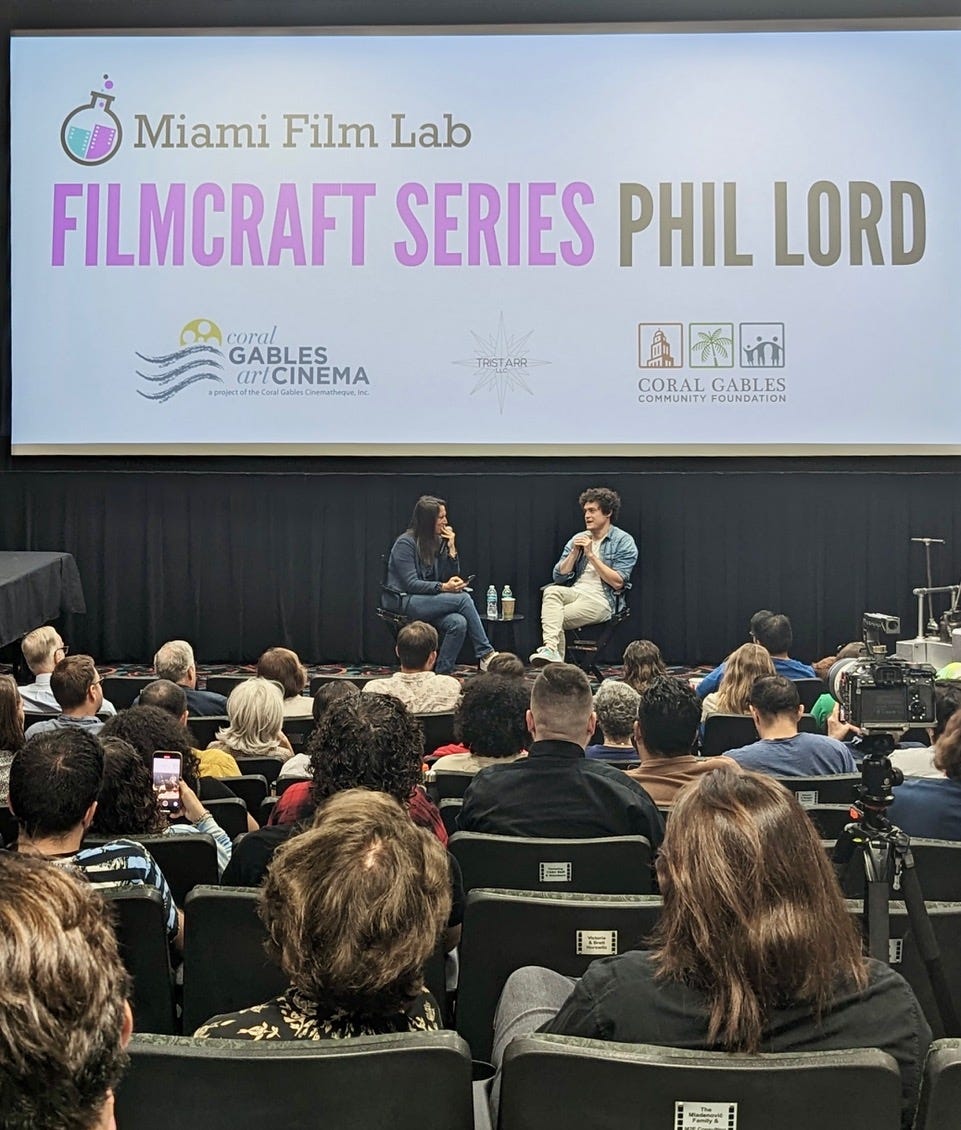
And interestingly enough, being part of the Miami Film Lab, a local nonprofit I’m on the board of that helps young people make films through workshops, conferences, mixers, and networking, has been really meaningful. One of the most helpful things to me personally was an interview I did with Phil Lord, who’s part of the duo Lord Miller. They’re writers, directors, producers known for The Lego Movie, among many other things.
I connected with him through my husband’s mom, who knew Phil’s mom. I said, “We really need someone interesting to bring to Miami to talk to all these people about film,” because we had received a continuing education grant from the City of Coral Gables. Phil was the most famous person I could think of from Miami, at least through my Cuban connection. And he said yes. That stunned me. Not just that he agreed, but that he was so kind and willing to help. I texted him, and he answered immediately, even though he was busy making Spider-Verse 2 or whatever it was at the time. He’d already won his Oscar and everything, but he was still so gracious.
I only hope I can be as gracious as he was with me. That interview was a turning point. He gave me such great advice about writing, especially writing comedy. It’s available on YouTube. It’s about an hour and 40 minutes long, packed with funny anecdotes and excellent writing tips. You should check it out if you ever have the time.
Yitzi: Isabel, you mentioned the film festival and your feature. Tell us about all the exciting things you’re working on now and what you look forward to working on in the near future. Our audience would love to watch, support, and get involved in any way they can.
Isabel: Thank you so much. You’re so kind. I see this first film as part of a Miami trilogy. The second film, called Merengue Queen, already has a first draft. I’m also eager to write the third film, which is about a family feud at a family reunion. My films often explore the idea of art and money, or value versus worth. But they also touch on love and money, and how those dynamics play out in families. I think there’s so much comedic potential in those situations.
I’ve always been fascinated by the gap between how people present themselves and who they really are. That space between what someone says and how they act, that’s where the comedy lives. Especially in cultures where there’s a strong emphasis on appearances and not admitting uncomfortable truths. That was my experience growing up in a Latin American family, but I think a lot of people from different backgrounds can relate to that kind of humor.
Then there are other projects that are less comedic and more dramatic. One that’s very close to my heart is about my great-aunt, a story I developed while I was in Chile. She was in Paris during World War II and saved a lot of children. She was a social worker at the Rothschild Hospital and lived this double life, on one hand, she was a socialite who knew people high up in the Nazi regime, and on the other, she spent her days helping children escape. It’s a fascinating story, and one of the few about Latin Americans involved in rescue efforts during the war.
I’ve wanted to get this story out for a long time, but I’ve heard people say, “Oh, we’ve heard enough about World War II.” That kind of response makes me furious and only strengthens my resolve to tell it. I’ve already written the script and created a pitch deck. I’d love to direct it myself, or at least part of it if it becomes a series. But as a filmmaker, you have to take the long view, period pieces are expensive. Still, I keep talking about my aunt Maria Edwards and the things she did. I believe that one day I’ll find the right person to help bring that dream to life. In the meantime, I’m focusing on comedy because it’s so close to my heart.
Yitzi: You’re not only a filmmaker and all these other talents, you’re also a songwriter, right?
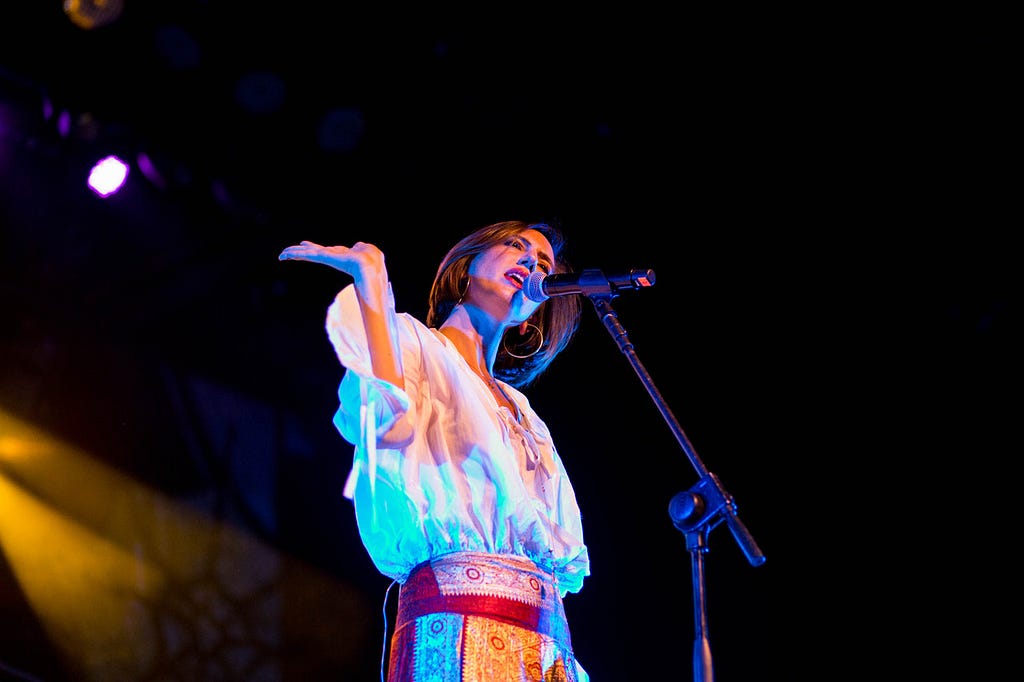
Isabel: Yes, that’s true. I’ve focused more on filmmaking over the past five years. I’ve done a couple of singles, and I wrote a song for the closing credits of the film. That’s how I stay involved in music. One day, I hope to do musicals too. I have a couple in various stages of completion.
When I was in my twenties living in Paris, I started to hear music in my head. I had always sung, opera, actually, but I couldn’t keep up with it because filmmaking at NYU is incredibly time-consuming. Much to my grandmother’s disappointment, I stopped my voice lessons and focused on film. But when I started hearing melodies, I felt like I had to do something with them. I don’t think it’s fair to hide something you’ve been given. You have to share it.
I made my first EP while living in Paris. Then when I moved to Chile to work in advertising, I later did a studio album, and directed music videos to go with it. Even though I felt like I was honoring this gift by putting my music out there, I still carried some guilt for not focusing on film. I had made that decision when I was 16, after returning from China, that I was going to be a filmmaker. Now, I feel like I’m really on the path I was meant to be on.
Still, I can’t help writing music. Film is my primary focus, but I hope to return to music through musicals or more albums. It’s very satisfying because a song is just three minutes. I’m not composing orchestral pieces, I write pop songs, which have a pretty rigid format. And being able to sit down with a guitar or piano and hammer out a song feels incredibly rewarding. Films take years to make. As an artist, it’s nice to have something that gives you that creative gratification so much faster.
Yitzi: I love your description that you heard songs out of nowhere. That’s such a great image. Do you think that’s typical?
Isabel: I think that’s true for everyone. Sometimes we don’t hear it, but I do believe there’s this universal consciousness, or whatever you want to call it, and that’s where stories and songs come from. We’re just antennas picking it up.
Yitzi: That’s great. You know, in Yiddish, the word for “idea” is aynfal, which literally means “the thing that fell in.” The idea is that it’s never really original, it just happened to fall into your head from the universal consciousness.
Isabel: Perfectly true. I definitely don’t feel like I own them. They just came to me.
Yitzi: I’m not a songwriter, but I’ve written a few songs, and I felt the same way. One day I just woke up hearing it in my head. It felt like a blessing, like something I had to bring into reality.
Isabel: Absolutely. I mean, some of the most famous songs in the world came that way. I think Paul McCartney heard “Yesterday” in a dream.
And there’s this other musician I love. He has this amazing voice. You know the song, “Only hate the road when you’re missin’ home / Only know you love her when you let her go”? That one. His stage name is Passenger, but it’s really just him, Mike Rosenberg, a singer-songwriter from the UK. He wrote “Let Her Go” in the back of a pub in about 15 minutes, and that song ended up taking him all over the world. Sometimes it really happens like that.
Yitzi: What are your thoughts today about people using AI in the creative process, using it to write scripts, to write songs? Do you feel it threatens creativity? That it threatens the humanity or authenticity of art, or even the livelihood of artists?
Isabel: I don’t know. I will say, though, thank God there are still some things that can’t be replaced. The human physical presence, we can’t replicate that. A hologram isn’t the same as an actual person. A live show, that energy, that experience… it’s irreplaceable.
It’s interesting because, on a smaller scale, when we do our film festival, the thing people love most, more than the films, is when the filmmakers or actors come and talk to us. That’s what we want. We want to be physically present with people, to listen to them, to ask questions. We love that.
Another thing that hasn’t been replaced, even though we can record it, is the human voice. Nobody in the world has the same voice as anyone else. It’s like a fingerprint. AI can mimic voices, those robotic voices when you call customer service, for example, but it’s not the same. The human voice is truly unique. And when someone dies, their voice is gone forever. A recording isn’t the same. It doesn’t have the same vibration.
To me, AI writing is just a remix of what’s already been created. It’s not original. It’s like pressing a remix button. Somebody had to come up with the original in order for AI to take it, jumble it up, and spit it back out. It’s usually not as compelling, but it can be helpful. I think AI is useful for summarizing. Synthesis is an important skill, and sometimes AI can help create a shortcut. But there’s still a long way to go with the technology.
I don’t find AI art particularly beautiful; that’s just my humble opinion. I’m not speaking for everyone. But I do think beauty matters. Beauty is something you feel, not something you think through. You look at something and it’s just beautiful. I don’t know if AI can truly capture that. It might never be able to. We don’t know yet, because the technology still has a long way to go.
I remember when I was a kid and got into reading the Bhagavad Gita, I don’t know why, but I was really drawn to it. I’ve always been interested in religion and spirituality and have studied a lot of different traditions. I’ll never forget this one phrase about action and intention, and how intention is equally, if not more, important than the action itself.
So, if you paint a picture, what’s your intention behind it? That’s fascinating to me, and so essential. If your intention is to share something beautiful, something that touches you, then it will. And I don’t know if AI can do that.
Yitzi: You’re saying that part of the way art touches people is through the heart or the intention behind it. And if something is created through a mechanistic system, without intention or heart, then it doesn’t really impact us emotionally. Am I saying that right?
Isabel: I believe so. I think that’s it. And also, when people say, “I love this thing you did because it brought me so much joy,” then they really get it, because one of my most important intentions is to create joy. I think our world is saturated with violence and sadness. It really is.
To me, comedy is like a weapon against that violence and sadness. I think comedy is so powerful. Joy is so powerful. It makes you feel invincible. That’s what I want to share. And I really believe that intention is key.
Yitzi: Beautiful. That’s so beautiful. Okay, this is our signature question, which you’ve already touched on a bit. You’ve been blessed with a lot of success, Isabel. Looking back to when you first started, you must have learned a lot from your experiences. Can you share five things you’ve learned that would’ve been so helpful to know when you were starting out?
Isabel: Okay, I’m going to recap what I’ve mentioned and add a couple more. Hold on a second, because this is important. I really wanted to think about this and be prepared for you.
- The number one thing I would have loved someone to tell me is that the most important people you’ll meet aren’t famous. They’re the friends you make.
- Number two: filmmaking is about networking, and networks come from a place. Stay put. I understand not wanting to jump into a desk job right out of college. If you feel like you have the means and want to wander around the world, do that, but then choose a place. Choose a city and stay there. Build your reputation and grow your network there. Once you’ve done that, then you can go live in your dream chalet, on top of a mountain, or in a beach bungalow. But it’s really important to take advantage of those networks where they actually exist, and they exist in cities. One of my mistakes was leaving New York right away because I was done with it and wanted to wander. But no path is linear, so it’s fine. Still, I think it’s good advice: filmmaking is about networks, and networks belong to places. People are rooted in specific locations.
- Number three: if you want to make a film, that’s one thing. But if you want a job, if you want to work on the corporate side of filmmaking, get a solid salary, be part of that infrastructure, then I really recommend a business degree or a JD. I never thought I’d say that, but now I do. Filmmaking involves so much legal work. Understanding contracts gives you a kind of power, knowing how to read and write them is huge. In this competitive industry with a limited number of jobs, the people with JDs often get hired. Even if you’re starting in the mailroom at an agency or working for a production company, with that kind of preparation, you’ll be running the place in a few years. It’s a business. If academics aren’t your thing, forget everything I just said. But if you’re a strong reader, a strong writer, and a good student, then being well-versed in business or law can really serve you.
- Number four: there are a lot of jobs in film that don’t involve actually making a film. You can work at a film festival, in advertising, or in public relations for film-related clients. There’s so much overlap. Don’t be too picky about the jobs that come your way.
- And number five: discipline. Try to write something new every year. If you’re a filmmaker with the heart of a writer, even just writing a short story once a year keeps that creative muscle working. One day you’ll be 40, and you’ll have 20 pieces of writing that are just you expressing yourself. There was a famous Chilean author, he passed away, who wrote the biography of my aunt, María Edwards. He was also an ambassador to Paris, and that’s where he got inspired to write about her. He once said, “Short stories are for feature films, and novels are for series.” I think that’s so true. It’s almost a shame to try to fit a whole human life into 90 minutes. It doesn’t quite work. But when you adapt a biography into a series, you get the depth, the characters, the struggles, and the winding journey of someone’s life. So even writing a 10-page or 30-page short story each year will help you grow as an artist, even if you can’t make a film every year. That’s important. And of course, if you’re an author-filmmaker, you have to find your voice, but you can only do that by living. That’s why I could never stay in one place. I felt like I had to collect experience. You need something to draw from. Everything is useful. It’s like that story about David Sedaris being Santa Claus at the mall, it’s silly, but if he hadn’t done that, he wouldn’t have had anything funny to write about. Otherwise, he’d just be making fun of his family all the time, you know? You’ve got to get out of your house. Get a job. Get on a train. Get on a plane. Go somewhere you don’t speak the language. Make mistakes.
Yitzi: Beautiful. This is our final aspirational question. Isabel, because of your amazing work and the platform you’ve built, you’re a person of enormous influence. If you could put out an idea, or inspire a movement that would bring the most good to the most people, what would that be?
Isabel: I really, truly wish that everyone in the world knew that they’re loved. Because I think if people know they’re loved, they won’t feel the need to take something that’s not theirs, or to fight someone over something they feel they lack, or to humiliate someone just to make themselves feel better.
I think, essentially, people all have a feeling that they’re not enough, that they don’t have enough, that maybe they’re not worthy of love. And that, to me, is heartbreaking. I want to do comedy because I want to distract people from pain, but I also want them to know they’re loved. I want them to think about love, so they can give love to other people. All people, not just family and friends. To be able to see everyone as equals. Everyone.
I think showing that in film is the most valuable thing. To show how similar we all are, without judgment. How we’re exactly the same. We have the same hopes, the same fears, expressed in different languages and through different codes. But it’s the same, largely. And how to avoid suffering. Of course, your kids are going to make mistakes, but when people are already grown-ups, you want them to stop suffering. How do you do that? I think helping them know they’re loved. And not seeing characters as black and white.
I remember when I was a kid watching Disney movies, I always thought the villain was the best character. And they are, comedically, they’re the best. But sadly, they never explore why the villain is the villain. If they did, we’d see their humanity. And that’s why they don’t do it. Because then they’re not the villain anymore. They’re just a person with problems. You see? I don’t know if that’s too daring to say. I don’t know if we want to apply that to everyone, but…
Yitzi: No, I totally agree. I think that was the whole conceit of the movie Maleficent. Maleficent was trying to…
Isabel: Exactly, right? But you can’t unpack every single villain, because then who gets to be the villain? You’ve got to have someone to fight against. I was explaining this to my son the other day. We were talking about James Bond villains, Louis Jourdan, who was in Gigi, played the villain in Octopussy, which was a ridiculous film. But anyway, James Bond is always a good time.
Then my husband said he could’ve made a very good James Bond. And I said, he can’t, because he has a different accent. The villain is always the other. The villain is always what we don’t know. It’s not the way we talk, it’s not the way we act. The villain is the unknown. We tend to pigeonhole people into something unfamiliar, something we don’t understand, so we label them the bad guy. But the moment we recognize that they’re like us, they can’t be the villain anymore.
Yitzi: It’s great. Beautiful.
Isabel: These questions are so great. I really enjoy them. You’ve made a very finely tuned machine of interviewing.
Yitzi: Thank you. That means a lot coming from a professional like you, a connoisseur. It really means a lot. It’s been so enlightening, inspiring, and edifying to talk to you. I’m excited to share this with our readers. I think it’s going to be an amazing article, and I wish you continued success, good health, and blessings. I really hope we can do this again. I hope we get to meet in person one day.
Isabel: I would love that. I’m so grateful to you. I wish you great health, great blessings, and God bless you. Really, thank you so much for your generosity.
Yitzi: A pleasure, Isabel. A pleasure.
Filmmaker Isabel Custer on Creating Joy Through Cinema, Founding a Festival, and Making Her Voice… was originally published in Authority Magazine on Medium, where people are continuing the conversation by highlighting and responding to this story.