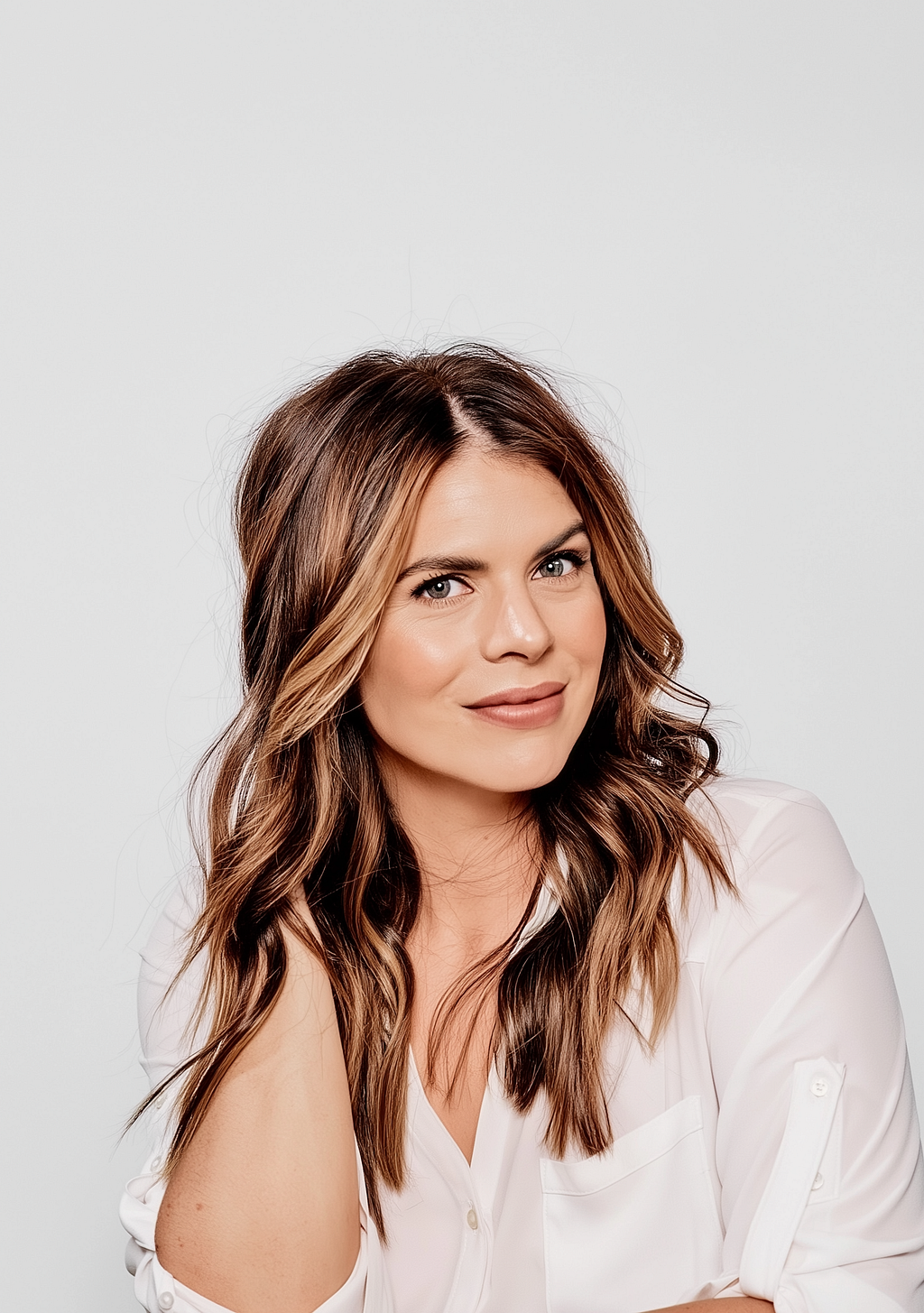
“I hope they feel seen. I think that’s really the greatest job of a songwriter, to help people see themselves in the stories and lyrics, to feel less alone in the world, and to feel connected with others. That’s what I hope, to help people feel seen. And then, melodically and vocally, I hope people feel something deep in their soul, the way blues music hits you, that deep, soulful feeling.”
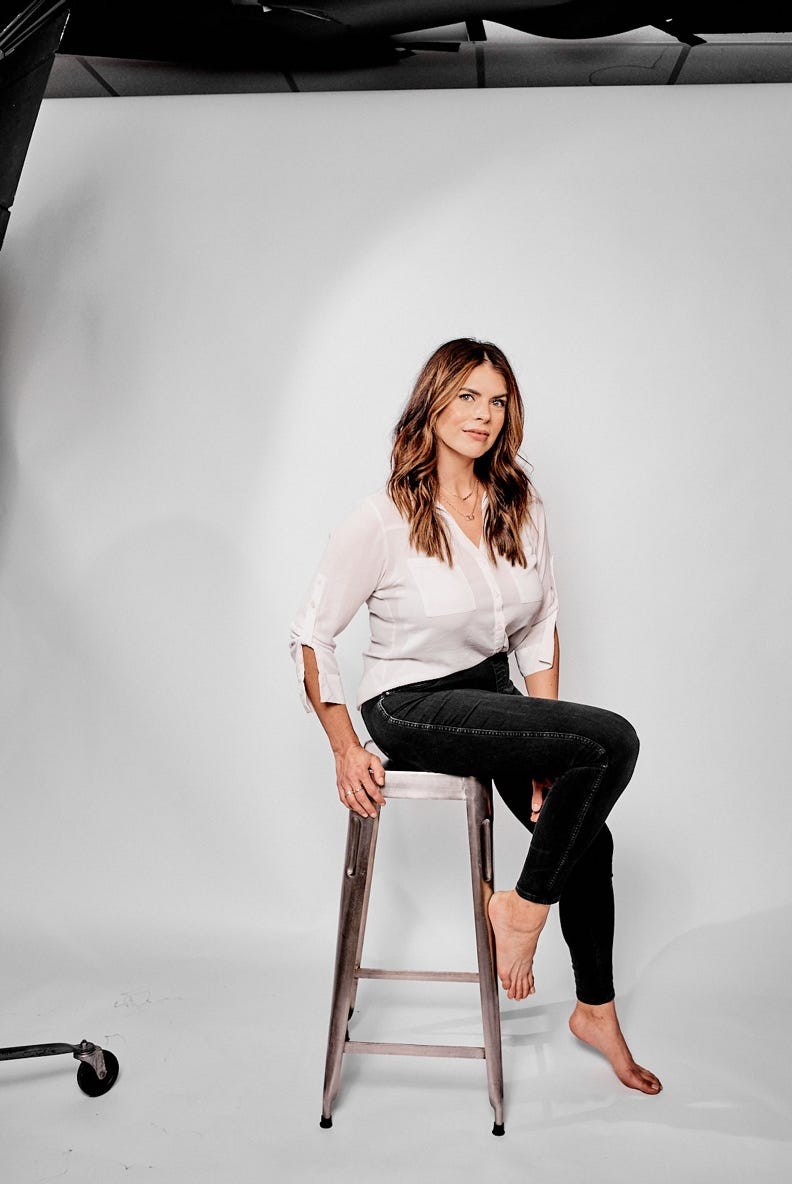
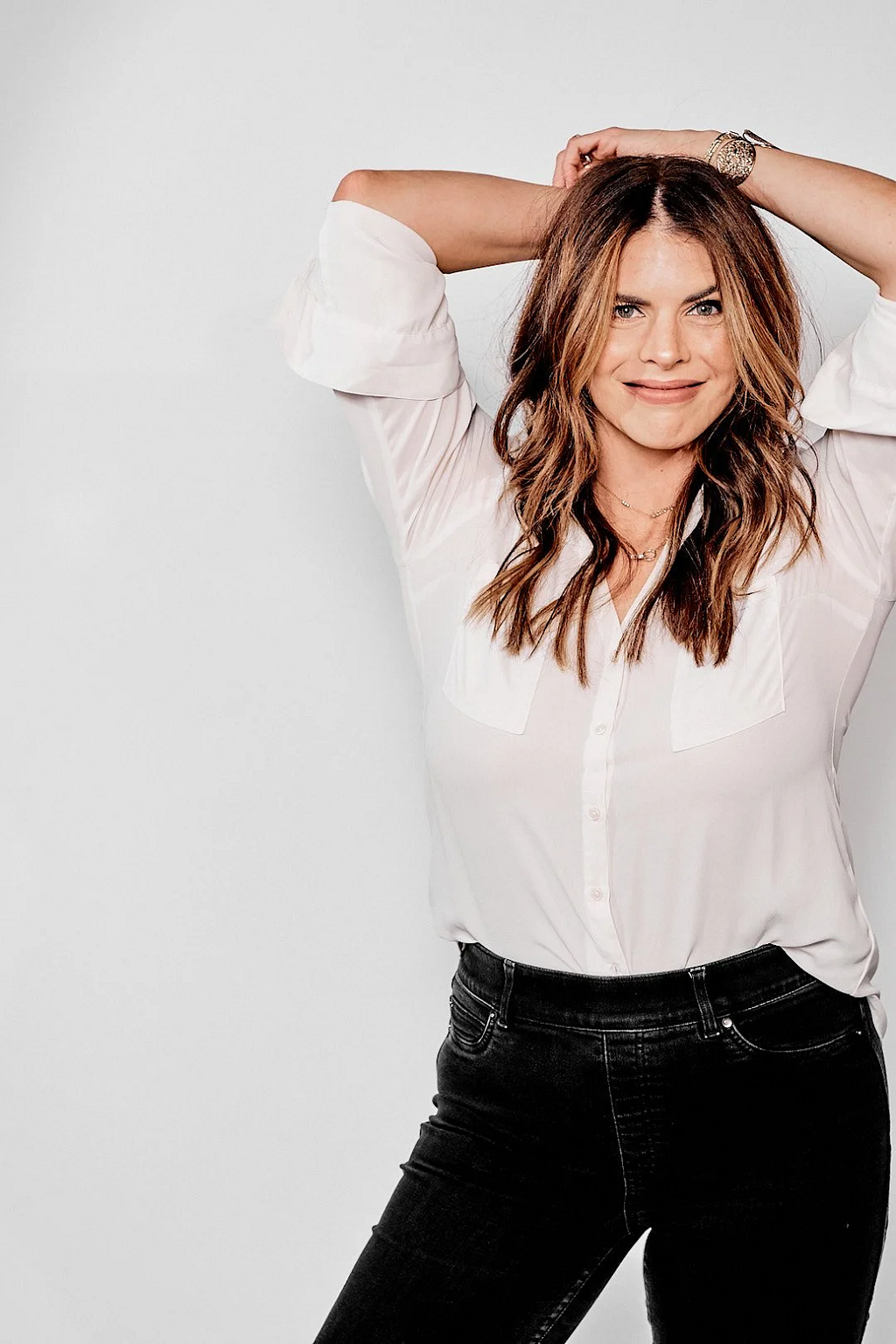
I had the pleasure of talking with Lauren Lucas. There’s a calm certainty about Lauren Lucas, a sense of an artist who has navigated the unpredictable currents of the music industry and found her way to solid ground. It’s a feeling she remembers vividly from one of the most pivotal days of her career — the day she walked into Warner Brothers Records in Nashville. “It was a beautiful day in Nashville, and I remember every sensory detail,” she recalls. “It felt like time slowed down. I was nervous, but this calm washed over me. I had this deep knowing that I was exactly where I was supposed to be.” She played for the label heads, and before she left the building, they offered her a record deal. That moment, she says, wasn’t just about the contract; it was about the profound feeling of alignment, a theme that has woven itself through her entire journey.
That journey began not in a smoky Nashville club, but in a community theater in Columbia, South Carolina. Her first memory of music is tied to her older sister, who was auditioning for a local show. Three-year-old Lauren was just supposed to watch. “As the story goes, I told my mom I wanted to go up there and perform,” Lucas says with a laugh. With no song prepared, she recited the nursery rhyme, “There was a little girl who had a little curl.” It was enough. “They put me in the show with my sister, and I got bit by the performance bug right then and there.”
Her childhood became a rich tapestry of sounds — jazz standards, 80s pop, and the country music her grandmother played in the car. By the time she was a teenager, the ’90s country boom was in full swing, and artists like Shania Twain and Garth Brooks gave her a direction. She learned guitar, formed a band, and started playing professionally while still in high school. Nashville noticed. At just 14, she was signed to a publishing deal with Sony. “They signed me to a production and publishing deal, recorded demos, taught me to write songs, set me up with co-writers, and produced demos to pitch to RCA for a label deal,” she explains.
But the industry’s path is never a straight line. An early rejection from RCA Records stung, but Lucas now sees it as a blessing. “Looking back, a contact I had with an off-Broadway director led me to write for Urban Cowboy, which got a Tony nomination,” she reflects. “That opportunity might never have happened if I’d gotten the RCA deal. It taught me that no isn’t an ending, it’s often just a redirection toward something better.”
It’s a lesson in faith, something Lucas seems to have in spades, along with a dose of what she calls “fearless ignorance.” She tells a story from her freshman year at Belmont University, when she was too nervous to book a gig in the intimidating Nashville scene. Finally, she just decided to go for it. “I decided to walk into a local club, Third and Lindsley, and ask for a gig,” she says. “I had no idea what I was doing.” The owner came out, looked at her with disbelief, and gave her a slot. It’s a perfect example of one of the key lessons she’s learned: “Sometimes, when you don’t know what you don’t know, you act with a kind of fearless ignorance.”
That fearlessness has continued to pay off. In recent years, a connection made three decades ago led to a collaboration with one of her musical heroes, the Grammy-winning blues artist Keb’ Mo’. “I was hired to be his duet partner for a marketing campaign,” she says. “We couldn’t be more different… but we connected instantly.” That connection has since blossomed, leading to her most recent high-profile project: composing and singing the theme song for the new Netflix sitcom, Leanne, a Chuck Lorre production starring comedian Leanne Morgan.
As she prepares to release a new collection of singles in the coming year, Lucas has a clear vision for her art. She calls her sound “Southern soul,” a blend of swampy, bluesy vibes with a lyrical thread of redemption running through it. When people hear her music, her hope is simple and profound. “I hope they feel seen,” she says. “I think that’s really the greatest job of a songwriter, to help people see themselves in the stories and lyrics, to feel less alone in the world, and to feel connected with others.” It’s a mission born from years of experience, of trusting her instincts, and of learning that every moment, every “no,” and every small gig is a seed being planted. “You don’t always know when or how it’s going to bloom,” she says. “But you look back and realize that what felt like nothing was actually the beginning of something.”
Yitzi: Lauren Lucas, it’s a delight and an honor to meet you. Before we dive in deep, our readers would love to learn about your personal origin story. Can you share with us a story of your childhood, how you grew up, and the seeds for all the amazing things that have come since then?
Lauren: Thank you. I’m honored to be here with you. Thanks for having me. Oh wow, that’s a big question. I was born and raised in Columbia, South Carolina. My first memory of music was through my sister, who’s ten years older than I am. She listened to the radio and what was then pop music, but she also loved musical theater. I was three and she was thirteen when she wanted to audition for a community theater show in our hometown. My mom took me along so she wouldn’t have to find a babysitter, thinking I’d just sit there and watch. I saw all these kids and adults auditioning, it was an all-ages show, and, as the story goes, I told my mom I wanted to go up there and perform. She let me audition even though I didn’t have a song prepared, so I recited the poem “There was a little girl who had a little curl right in the middle of her forehead. And when she was good, she was very, very good, but when she was bad, she was horrid.” They put me in the show with my sister, and I got bit by the performance bug right then and there.
I spent the rest of my childhood performing in community theater and listening to the radio, both from my sister and my grandmother, who always had country music on in the car. I grew up with a rich musical background, pop music from the 1940s, jazz standards, Sesame Street songs, Golden Oldies, 80s pop, and 80s country music. I loved the feeling of being on stage, dressing up, and performing. That became my main hobby: community theater, dance lessons, and learning to play instruments.
Around middle or high school, when I started listening to my own music, it was the 90s country boom, Shania Twain, Garth Brooks, Trisha Yearwood, and Faith Hill. I fell in love with that sound, learned guitar, formed a band, and started playing festivals and clubs in cover bands. My professional life started pretty early and overlapped with my teenage years. When LeAnn Rimes hit big as a teenager, everyone in Nashville was looking for young artists. I happened to be that age, and I ended up getting signed to Sony/ATV Tree (what is now Sony Publishing). I was 14. They signed me to a production and publishing deal, recorded demos, taught me to write songs, set me up with co-writers, and produced demos to pitch to RCA for a label deal.
At the same time, I was offered an audition for an off-Broadway show that incorporated country music. I got the role, moved to Houston for a few months, then came back to graduate high school and continued to write for Sony. After graduation, I moved to Nashville to attend Belmont University. About a year later, the director from that off-Broadway show was adapting the movie Urban Cowboy into a Broadway musical. He needed a song for a specific scene, and I ended up writing one that made it into the score. That score was later nominated for a Tony. I was in college, in the middle of my publishing deal, with a Tony nomination, and that really set the stage for my professional career.
Yitzi: You probably have some amazing stories from your career. You already shared one. Maybe this is hard to narrow down, but can you share one or two stories that stand out most in your mind?
Lauren: One that comes to mind is after I graduated from Belmont. A professor introduced me to a producer who took me to Warner Brothers Records. I played for the team there, including the head of A&R. I remember it was April, April 2nd, I think. I even thought for a second, “Is this an April Fool’s joke?” But it wasn’t. It was a beautiful day in Nashville, and I remember every sensory detail. It felt like time slowed down. I was nervous, but this calm washed over me. I wasn’t without nerves, but I had this deep knowing that I was exactly where I was supposed to be. I walked into the office, played for them, and before I even left, they offered me a deal. They said, “We’ll get a deal memo over to you.” What stands out most wasn’t just getting the deal, but that feeling of calm certainty. That day will always stick with me.
After that, there were so many incredible experiences: being signed to Warner Brothers, making a record with producer Biff Watson, who helped me shape my sound, co-write songs, and really find my voice. I got to perform at the ACM Awards, play the Grand Ole Opry, and stand in that iconic circle for the first time. But that April day remains one of my most memorable moments.
A more recent one happened about three years ago. I was introduced to one of my biggest musical influences, Grammy-winning blues and Americana artist Keb’ Mo’. I was hired to be his duet partner for a marketing campaign. I was so nervous because I admired him deeply. During the session, while the band was working on edits, he and I sat in the vocal booth talking, about music, songwriting, spirituality, life, and family. We couldn’t be more different, he’s from Compton, I’m from Columbia, South Carolina, but we connected instantly. We became friends and have continued collaborating over the past few years. That day in the studio was truly special.
Yitzi: It’s been said that sometimes our mistakes can be our greatest teachers. Do you have a story about a funny mistake you made when you were first starting out, and what you learned from it?
Lauren: The first thing that comes to mind might not be a mistake exactly, maybe just unconventional. I remember during my freshman year at Belmont, I was nervous to play gigs, even though I’d played a ton of cover gigs back home. Maybe I’d been a big fish in a small pond, and Nashville was a huge pond where I felt tiny. I finally got a little band together with some college friends and decided, “I’m just going to go for it.”
This was before Myspace, before Napster, before the tech boom in music. I decided to walk into a local club, Third and Lindsley, and ask for a gig. I waited until after the lunch rush and went in with, I think, a headshot and maybe even a résumé of my gigs in South Carolina. I had no idea what I was doing. The bartender gave me a pitying smile and said, “Wait right here.” Then the owner, Ron, came out. He looked at me like, “I can’t believe you just walked in here asking for a gig.” But sure enough, he gave me one, an early slot, but still a gig.
It might not have been the “right” way to do it, but it worked. Sometimes, when you don’t know what you don’t know, you act with a kind of fearless ignorance. You figure things out as you go, and later you look back thinking, “Wow, that was ridiculous,” but at the time, you’re just following your gut.
Yitzi: There’s a saying: “No is redirection, not rejection.” Do you have a story where someone said no, but it turned out to be a blessing in disguise?
Lauren: I absolutely believe that. After my most recent publishing deal, I took some time and became a certified coach for Dale Carnegie leadership training. My boss there used to say something similar, that when someone says no, it just means they haven’t figured out how it fits in their world yet.
As a musician, you hear “no” constantly. One of the biggest early ones was when I was still a teenager signed to Sony Publishing. They pitched me to RCA Records, but by the time I came back from doing that off-Broadway show, RCA had already chosen another teenager for their roster. It really stung. But looking back, that relationship with the off-Broadway director led me to write for Urban Cowboy, which got a Tony nomination. That opportunity might never have happened if I’d gotten the RCA deal. It taught me that no isn’t an ending, it’s often just a redirection toward something better.
Yitzi: You have so much impressive work, Lauren. Can you share with our readers the exciting new projects you’re working on now and what you hope to be working on in the near future?
Lauren: Sure. 2025 has been a really exciting year. I feel so fortunate to be involved in the projects I’ve had a chance to work on. Most notably, I was invited by Keb’ Mo’ to compose the music and sing the title theme for comedian Leanne Morgan’s new Netflix sitcom, Leanne. It’s a Chuck Lorre production, and we worked on it for about the first half of the year, from January through June. That was my main focus early in the year.
I’ve also been working hard on building a catalog of songs for placement in other TV and film productions, as well as songs I’m proud of as an independent artist. I really put my head down this year and made a lot of music. Now, as the year winds down, I’m looking at a collection of songs I can’t wait to share and plan to release next year. Leanne was picked up for season two, so fingers crossed we’ll be composing music for that again next year. I also have music scheduled for release throughout 2026, starting in early February with my first single of the year, followed by five or six more singles across the rest of the year. I’m so excited about what the future holds.
Yitzi: If you could take all of your music, all your songs, melodies, and album covers, put them together in a blender, what would be the overall message that comes out of that mixture?
Lauren: I call the sound and feel of my music, ‘Southern Soul.’ The music I plan to release next year has a strong lyrical theme of redemption running through it. A lot of it feels swampy, bluesy, soulful, that Southern soul kind of vibe, but with that thread of redemption tying it all together.
Yitzi: What do you hope people who haven’t met you before feel or experience when they listen to your music?
Lauren: I hope they feel seen. I think that’s really the greatest job of a songwriter, to help people see themselves in the stories and lyrics, to feel less alone in the world, and to feel connected with others. That’s what I hope, to help people feel seen. And then, melodically and vocally, I hope people feel something deep in their soul, the way blues music hits you, that deep, soulful feeling.

Yitzi: This is our signature question. Lauren, you’ve been blessed with a lot of success and must have learned a lot from your experiences. Looking back to when you first started, can you share five things you’ve learned over the years that would have been nice to know when you began?
Lauren: Five things, okay.
- The first two that come to mind right away are, one, I wish I had trusted myself more, my instincts, my ideas, and what I believed was right for me. I wish I’d had the self-awareness, confidence, and boundaries to really stick to my guns.
- The second would be patience. Things happen in their own time. I can’t explain when or why, but sometimes things unfold the way they’re supposed to. I don’t know why I got signed to a publishing deal at 14 and a Tony nomination at 19, that’s probably obnoxious to anyone who’s been pounding the pavement for decades without that kind of recognition. But then, my career kind of came to an abrupt stop for a while after the Warner Brothers deal. There were several years of just grinding it out. So, patience and realizing that everything happens in due time.
- Third, I wish I’d realized sooner that almost everything you do is a seed being planted. You don’t always know when or how it’s going to bloom. Every co-write, every interview, every song, everything is potentially a seed. You don’t see things growing in the dark, but later you look back and realize that what felt like nothing was actually the beginning of something. For example, the person who introduced me to Keb’ Mo’ was the same person who signed me to my deal when I was 14. I didn’t meet Keb’ Mo’ until 30 years later, and now I’m collaborating with him, one of my musical heroes, and writing music for a Netflix show. Who knew that seed was planted three decades ago? So that’s three: trust yourself, be patient, and remember that nothing is nothing, everything you do is something. That mindset helps me stay curious and have more fun, especially when it feels like I’m not where I want to be yet.
- The fourth thing would be to stop tying my worth to productivity. I’ve spent so much time hustling and grinding that I’ve sometimes missed the joy. I’m learning that it’s better to have fun, to focus on what I love and what comes naturally. When you do that, opportunities tend to flow your way without forcing them.
- And the fifth thing ties into giving. Since COVID, I’ve taken more opportunities to share music in my community, at weddings, funerals, big events, often without pay. Just volunteering my time and bringing what I can to others has been surprisingly rewarding. And honestly, some paid opportunities have come out of that. It sounds cliché, but I truly believe the more you give, the more you receive.
Yitzi: Can you share some of the self-care routines that help your body, mind, and heart thrive?
Lauren: I love this question because it’s become so important to me in the last few years. Movement has become non-negotiable. It’s very trendy in women’s health right now to talk about strength training, metabolic health, and all that, but I’ve found it truly changes everything. I have more energy, confidence, and mental clarity when I take care of myself. I work out four days a week, focusing on resistance training, and I aim for about 150 minutes of cardio each week.
My cardio is usually walking, sometimes with a podcast, but often in silence. Being in nature gives me so many creative ideas. I’ve finished songs while walking. There’s something about moving and being on autopilot that unlocks creativity.
This year I decided not to drink. I’m not declaring lifelong sobriety, but it’s been great, I feel clear-headed, focused, and more present. I also have a five-year-old, so I need to be at the top of my game because my time and energy are so limited.
I have a deep spiritual practice, and my faith is very important to me. I surround myself with community, it’s so essential for health, happiness, and longevity. Being involved in my community has been a huge blessing.
And, tying back to that joy conversation, I try to carve out time for family and fun instead of letting work consume everything. My husband and I have a farm in southern Tennessee. We love camping with our five-year-old, spending time with our parents, and traveling a bit. It’s not glamorous, but those simple things make all the difference. Mentally, physically, creatively, spiritually, it all connects.
Yitzi: You are a person of enormous influence. If you could inspire a movement that would bring the most amount of good to the most amount of people, what would that be?
Lauren: The first thing that comes to mind ties back to what we talked about with self-care. I think about the saying, “Love others as you love yourself,” and I wonder how well we really love ourselves. It’s hard to love others well if we don’t start there.
I teach songwriting at Belmont, and one thing I try to impress on my students is to be authentic, to do what brings them joy. Don’t just chase songwriting or a career as a means to an end. You have to like yourself, want to be with yourself, and take care of yourself. When we love ourselves well, we have more capacity to love others well, too. That belief runs through a lot of the new music I’ve been writing.
Yitzi: How can our readers follow your work, purchase your music, or support your career?
Lauren: Thank you for asking! The best way is through my website, laurenlucas.com. You’ll find music, links to my socials, and streaming links to Spotify, Apple Music, Amazon, wherever you like to listen.
I’m most active on Instagram at @LaurenLucasMusic. I respond to comments and DMs myself and love connecting with people there. You can also stream the music, add it to your playlists, send it to friends, or share it on your Instagram stories. Those are some of the best ways to support artists like me.
Yitzi: Lauren, it’s been so delightful to meet you. I wish you continued success, good health, and blessings. Hopefully we can do this again next year when we’re ready to share the story with our readers.
Lauren: Thank you. This has been wonderful. I really appreciate the questions, the conversation, and the time with you. I’d love to come back.
Lauren Lucas on Early Breaks, Southern Soul, and Composing the Theme for Netflix’s Leanne was originally published in Authority Magazine on Medium, where people are continuing the conversation by highlighting and responding to this story.