Kristen Kavanaugh on Leaving Tesla, Confronting Elon Musk’s Tweets, and Building a Movement Around Courage
“We talk a lot about curiosity in the book, and I think it’s about getting curious about each other, how we’re feeling, and being willing to say some things we’ve gotten right, some things we’ve gotten wrong. Are we willing to learn and grow from this moment? I really do think it’s that — getting curious and not making assumptions about why people voted a certain way or why they want a certain thing. It’s about being open to curiosity, learning, and the growth that comes from it.”
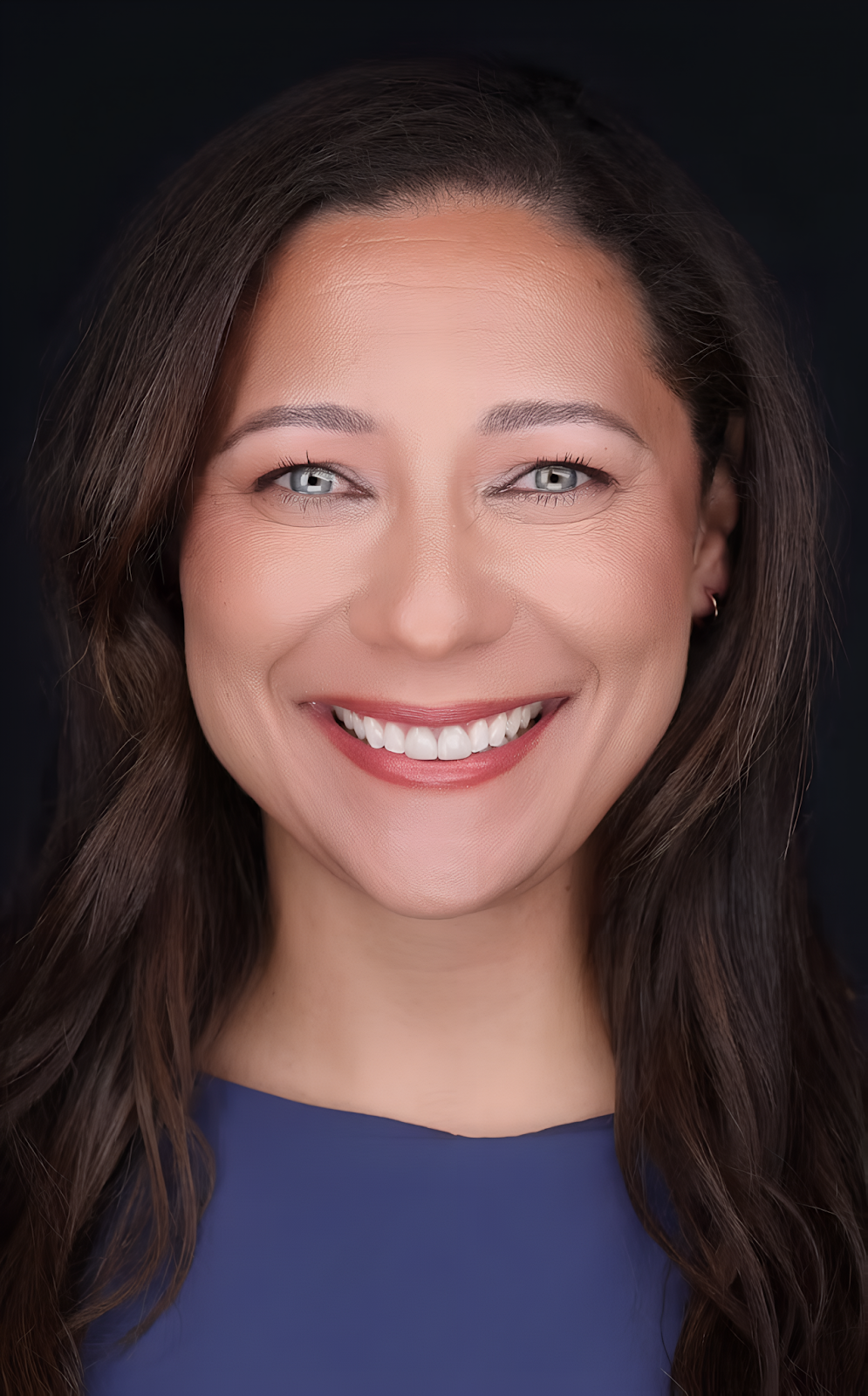
I had the pleasure of talking with Kristen Kavanaugh. She has the calm, steady presence of someone who has navigated both literal and corporate battlefields, someone who has learned to lead not by shouting, but by listening. Her story isn’t a straight line from a small town to the top of the corporate world; it’s a winding road marked by conviction, conflict, and a relentless search for alignment between her values and her environment.
Growing up in a small town in Ohio, Kavanaugh saw sports as her “ticket out.” Her parents hadn’t gone to college, but for her, it was a given. A basketball camp in Maryland put her on the radar of the Naval Academy, an institution she’d never even heard of. With no deep military roots in her family, it was a leap of faith. “I fell in love immediately and knew that was where I wanted to be,” she recalls. “I didn’t apply to any other colleges.”
The Academy was more than just a school; it was a crucible. During her sophomore year, she came to a profound realization: she was a lesbian. At a time when being gay was illegal in the military under “Don’t Ask, Don’t Tell,” this discovery placed her in direct conflict with her service and her future. The thought of returning home a failure was unbearable. “There was no way that this small-town kid was going to go back home and tell my parents I lost the opportunity of a lifetime because I was gay,” she says. “So I decided to stick with it.”
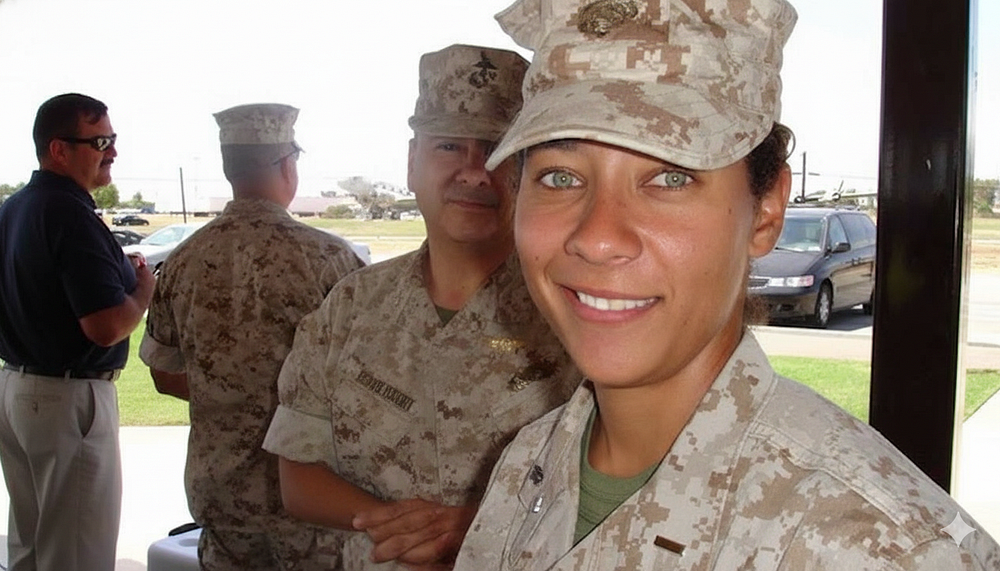
Her senior year was September 2001. The fall of the Twin Towers solidified her path. She decided to become a Marine Corps officer, a choice that terrified her parents but felt like the fulfillment of her commitment. Deployed to Iraq in 2004, the dissonance of her life became impossible to ignore. “It really hit home that I couldn’t tell my roommates, my team, or my boss that I had a partner at home waiting for me,” Kavanaugh explains. “That hypocrisy — serving others and keeping our country safe while being unable to live openly myself — was difficult to carry.”
After five years, she left the Marines and found a new calling in social work, earning a master’s from the University of Southern California. This path led to formal advocacy, and she found herself on the front lines during the repeal of “Don’t Ask, Don’t Tell,” helping to humanize the stories of LGBTQ+ service members.
Her journey eventually led her to Silicon Valley and a role at Tesla, initially in leadership development. When the company brought in a new leader to build its Diversity, Equity, and Inclusion (DEI) program, Kavanaugh was the first to volunteer. “I want to be over here,” she told the new head, Felicia Mayo.
It was, surprisingly, Elon Musk’s initiative to bring in a DEI expert. Kavanaugh stepped into the head role after Mayo’s departure and was given “full license to build a team and an organization.” Her team focused on a human-centered approach, embedding equity into benefits and recruiting. But as the pandemic raged, another storm was brewing. “You could see it in his tweets and hear it in how he spoke,” she says of Musk. The familiar feeling of misalignment returned. “My job became defending his tweets to employees, which was a no-win situation.”
The breaking point came in the middle of the night, with a tweet. Musk declared something to the effect of “pronouns are dumb.” For Kavanaugh, a member of the queer community, it was a gut punch. Employees were hurt and angry. “I didn’t have an answer,” she admits. “I couldn’t change his tweets, and I knew that. But what I could do was listen, show empathy, and share a piece of my own story.” Her team focused on what they could control. They worked to ensure “gender-affirming care was enshrined in our benefits package,” partnering with healthcare providers who understood the community’s needs. “Elon couldn’t touch that,” she says. But the cognitive dissonance became too much. She left in June 2022, refusing to “defend the indefensible.”
This experience became the catalyst for her next chapter: a consulting firm, The Agency Initiative, and a book co-authored with a former Tesla colleague, Courage Over Fear. The book is a direct response to a world saturated with fear-driven leadership, arguing that true progress requires the courage to make hard choices based on one’s values.
Today, as the term DEI is attacked and politicized, Kavanaugh remains steadfast. She acknowledges there were “rightful challenges to the work,” but condemns how it has been “demonized and turned into something it’s not.” She argues that the core principles of DEI benefit everyone. When critics claim DEI is divisive, she counters that it’s about self-awareness and understanding others to build stronger teams. When they cry that it undermines meritocracy, she points to the military, where standards are adapted to roles, not lowered. “Giving someone body armor that fits properly doesn’t give them a leg up — it just ensures they’re protected,” she explains. The suggestion that a Black pilot or a female Ranger is less qualified erases the immense work they put in, often “two or three times more than others,” to get there.
Her mission now is to build a “movement of courageous leaders.” It’s not about selling books; it’s about building a community where people feel less alone and empowered to take small, brave steps. “We think that courage is contagious,” she says. “If you’re not in a position to be courageous right now, that’s okay. The people to your left and right can be courageous. Let them take that on. And when you’re ready to step in… we’re here.” It’s a message forged in the quiet fields of Ohio, tested on the battlegrounds of Iraq, and honed in the volatile corridors of Big Tech — a call to find the courage to build the future our children deserve.
Kristen Kavanaugh, it’s a delight and an honor to meet you. Before we dive in deep, our readers would love to learn about your personal origin story. Can you share with us the story of your childhood, how you grew up, and the seeds for all the amazing things that have come since then?
Kristen: Thank you so much for having me. I’m really excited. I grew up in a small town in Ohio. Neither of my parents went to college, but it was always understood that college would be in my future. Sports were going to be my ticket out of that small town and into college, so I was a basketball player. I went to a camp in Maryland where coaches from the Naval Academy saw me play. I had never heard of the Naval Academy before and didn’t have a strong military legacy in my family, but I gave them a chance, listened, and visited the campus. I fell in love immediately and knew that was where I wanted to be. I didn’t apply to any other colleges. I took a big leap to make sure I got into the Academy.
I went to Navy and played basketball. During my sophomore year, I realized that I was a lesbian, which was illegal at that time. I was in conflict with my service, my schooling, and my life. There was no way that this small-town kid was going to go back home and tell my parents I lost the opportunity of a lifetime because I was gay. So I decided to stick with it.
My senior year, 9/11 happened in September. By then, I had decided to become a Marine Corps officer. It was all business, all service, all the time. There was never a question whether going to war would be in my future. It scared my parents to death, but that’s what I had signed up for. When I graduated, I was commissioned in the Marine Corps and deployed to Iraq in 2004.
During that time, it really hit home that I couldn’t tell my roommates, my team, or my boss that I had a partner at home waiting for me. That hypocrisy — serving others and keeping our country safe while being unable to live openly myself — was difficult to carry.
After my five-year commitment, I left the Marine Corps not knowing what I wanted to do next. I ended up finding social work. I’d always been the therapist for my friends, so I thought, I have a knack for this. I love helping people. I went to the University of Southern California and got my master’s degree in social work. Through that, I was introduced to formal advocacy work and loved it.
I got involved with our class during the repeal of “Don’t Ask, Don’t Tell,” helping tell stories and humanize the LGBTQ experience in the military. We wanted people to see that we’d always been there and always would be, willing to fight and die for our country alongside our straight colleagues.
It came full circle after that. I did some consulting but really wanted to go internal somewhere. I found a job at Tesla doing leadership development and culture work — something the company really needed at the time. I helped build leaders from the factory floor up, which was an incredible opportunity to create something new for the company.
After a few years in leadership development, I realized my heart was really in diversity, equity, and inclusion. When a new DEI leader joined Tesla, I was the first to raise my hand and say, “I want to be over here.” She brought me onto her team, and together we started building a culture that was more inclusive for all of our employees.
Whose initiative was it to bring in the DEI expert?
Kristen: It was Elon’s. It was Elon’s, which surprises a lot of people. Most don’t know that. I believe it was in 2018 when she started. Her name was Felicia Mayo, and she was excellent. We had programming, training, and all the general components of DEI. She ended up leaving in mid-to-late 2019, and I stepped into her role. I became the head of DEI and had full license to build a team and an organization.
I started hiring people, and we focused on making DEI a human-centered approach — really thinking about our employees, their experiences, and how to make things better. We looked at who we were recruiting, how we were attracting top talent, and how to embed equity into our benefits and offerings. We made a lot of progress.
Then the pandemic hit, which put even more of a spotlight on our team. You mentioned authenticity, and I think that’s exactly what we maintained during that time. We were still early in our journey, so while other big tech companies were making bold public statements, we knew we weren’t there yet. We stayed true to who we were. We spent a lot of time listening to employees, hearing their stories and experiences, and sharing ours as leaders. It was about understanding and connection.
I continued in that role until 2021, when Elon started to change. You could see it in his tweets and hear it in how he spoke. The same kind of dissonance I’d felt back in the Marine Corps — when my values and environment no longer aligned — started to take a toll on me. My job became defending his tweets to employees, which was a no-win situation.
I did that for about six months into 2022 before realizing I couldn’t do it anymore. I wouldn’t defend the indefensible. So I decided to leave in June 2022. I thought I’d take some time off, but that’s not what happened. I started my own company focused on leadership development, especially around courageous leadership, drawing from lessons I’d learned from leaders and my own experiences at Tesla.
Then we decided to write a book called Courage Over Fear. It really came down to who has the agency to make decisions based on their values — and whether people truly have the courage to make those hard choices in those defining moments. That’s why we wrote the book and why we believe it’s even more relevant today than when we began writing it 18 months ago.
Could you tell us the most interesting story you share in the book?
Kristen: The most interesting story? I’ll tell you the hardest story. I talk about one of Elon’s tweets. The way I frame it in the book is that we often use terms that imply there’s a corporate battlefield, but I’ve seen a real battlefield. That juxtaposition between the two is interesting for me.
I talk about a tweet he sent — I think it was “pronouns are dumb” or something like that. You can look it up if you want. In the middle of the night, he sent this tweet about pronouns. I’m a member of the queer community, so I remember thinking, what are you doing? There was no context, no explanation — just this tweet in the middle of the night.
Obviously, our employees were incredibly upset, especially members of the queer and trans communities. We had been doing a lot of work to make sure we were taking care of people, and they were asking, how can we take care of folks if this is what our CEO is tweeting? I didn’t have an answer. I couldn’t change his tweets, and I knew that. But what I could do was listen, show empathy, and share a piece of my own story. I understood why pronouns were important and how they could mean life or death for some people. I wanted to rebuild that human connection so our employees knew that someone cared and understood what they were going through.
Even though we couldn’t change Elon’s tweets, we focused on what we could control. We worked to ensure gender-affirming care was enshrined in our benefits package. We partnered with healthcare providers who could connect employees with physicians who had a gender-affirming lens, so people could find someone to talk to who understood their experience. Elon couldn’t touch that. You can’t argue with those things. And at the time, he didn’t have a problem with it, which feels bizarre now.
We wanted employees to know that, even if they didn’t understand where Elon stood or why he said or tweeted certain things, we were trying to take care of them through our benefits and support systems. I was really proud of that. I was also upset that I couldn’t do more about the tweets. That’s why we talk so much about agency in the book. Sometimes you just have to find the small thing within your power and do that. It may not move mountains or stop a billionaire’s tweets, but you can still connect with organizations that can help your employees. That’s what we did.
That story means a lot to me. There’s a lot I’m proud of, but also a lot I wish I could have done differently — especially talking to him. I always thought, if there was anyone he could’ve talked to about that subject, it could have been me. But I didn’t get that opportunity. And here we are.
Right now the term DEI is under the radar, and people are hunkering down. Are you hopeful that a change in administration will bring things back to normal, or do you think there’s a permanent dent?
Kristen: I think there were some rightful challenges to the work, and that’s given us an opportunity to really look at DEI — at the practitioners, at what we were doing and how we were doing it — and get curious and ask questions. There’s nothing wrong with that.
What’s been damaging is how DEI has been demonized and turned into something it’s not. That’s harmful to the words themselves and to the people doing the work. But I ultimately believe inclusion and equity will prevail. People will come to their senses and realize that DEI, in some way, has impacted them positively — whether you’re a veteran, a woman, or a religious minority. All of us have benefited if we understand the broader definition of diversity and inclusion.
I don’t think it’s going anywhere. You can look at the companies that have had shareholder votes and have voted down anti-DEI measures — that says something. I think DEI will come back in a way that’s more inclusive and better for everyone. This shake-up has forced us to take a hard look at how we do the work and how we can make it better. There’s nothing wrong with thoughtful curiosity, but demonizing the work was not the way to go.
Could you steelman the critiques of DEI and then tell us why that steelmanning position is wrong?
Kristen: I think the first thing people say is that DEI is divisive, that it separates people. So let’s start there. The reason that’s not true is because DEI actually helps you understand yourself — who you are, what you bring to the table — and then recognize that the people around you bring different factors and experiences. The goal is to develop curiosity about those differences and similarities so that teams and organizations can come together more effectively. Calling out someone’s differences isn’t divisive; it’s self-awareness. It’s about understanding what makes you unique and what makes others unique, and then appreciating those differences to build the strongest team possible.
The second common argument is about meritocracy — the idea that people are given an unfair advantage because of their race, gender, or another characteristic. That’s just not true. I often use the military as an example, even though some of what we’re hearing today is way off base. The existence of programs or commissions for women in the military doesn’t mean standards are being lowered. It means we’re acknowledging biological and structural differences and creating inclusive policies so everyone can serve in the best possible way. Giving someone body armor that fits properly doesn’t give them a leg up — it just ensures they’re protected.
There’s a misconception that standards are being lowered, but what’s actually happening is that the military has reviewed its standards to make sure they make sense for specific roles. It doesn’t make sense to have one broad standard for every job. In specialized roles — like Navy SEALs or special operators — the standards are still extremely high, and those who meet them, including women, have met the exact same criteria. If you’ve gone through Ranger School, you know that any woman who’s completed it has endured the same grueling process as any man.
To suggest that someone is only in their position because they’re Black, a woman, or part of a minority group erases all of the experience and hard work that person put in — often two or three times more than others — to get there. The hypocrisy of that argument is especially clear when you look at some people currently serving in high-level roles who have no qualifications for the jobs they hold, yet they’re the ones talking about merit.
So the real question becomes: who decides what merit is and what the standards are? That’s where the power lies — being able to point the finger and say someone didn’t meet the standard, while someone else supposedly did. When you actually look at the facts — how many hoops people have had to jump through, especially in the military — to become Army Rangers, boat operators, or some of the world’s best warriors, those critiques just fall apart.
Take transgender people in the military, for example. Many have served with distinction and achieved incredible things. I remember a moment when Congresswoman Sara Jacobs from San Diego asked the Secretary of Defense about women who’d had extraordinary careers. He said, of course, we’d never get rid of those women. And she replied, well, all these people are being kicked out because they’re transgender. Situations like that expose the inconsistency in the arguments against DEI. None of them hold up when you apply even a little bit of pressure.
Were you in the SEALs?
Kristen: No, no, no. I was a Marine. I was in finance. That was as high as my bad-ass bar went. There’s no way I ever would’ve been a SEAL.
When you say boat operators, what is that?
Kristen: Sometimes in the Navy SEALs, they have small boat operators. They’re not SEALs themselves, but they work alongside the SEALs and still have really high standards to qualify as boat operators. I also had friends who were bomb techs — EOD, ordnance disposal specialists — and others who were rescue swimmers, jumping out of planes. Truly bad-ass women. And now people are trying to say that everything they accomplished was just handed to them. I know for a fact that’s not true because I saw the struggles they went through, and they still made it. I feel bad for the women who’ve worked so hard, earning every bit of what they’ve achieved, only to have it dismissed as a DEI hire.
A prominent conservative person once said he was afraid to fly on a plane with a Black pilot because maybe the standards were lowered for him because of DEI. What precisely is wrong with that statement?
Kristen: What isn’t wrong with it? You’re discounting someone entirely because of their skin color. You’re dismissing all of their education, training, and experience without knowing a single thing about them. I have several friends who are commercial airline pilots, and I know what they have to go through to keep passengers safe every single day. To suggest that someone is less qualified simply because of their race is ignorant.
You’d hope people would hear that statement for what it is. A little bit of intellectual curiosity — asking questions, thinking critically — would reveal how unfounded it is. That’s really the call to action: how can we encourage people to be more curious about what they hear and read, and to be open to learning something new instead of taking such statements at face value as if they were true?
How do you respond to the argument that we should just look at dry grades and metrics? Forget about skin color or anything else — let’s just look at the grades.
You would still have Black pilots and women pilots. That’s the thing. Fine, look at the grades, but the grades also aren’t going to align, and what happens then when you still have people who are smart enough to be in these roles? I think that’s the first argument. Fine, we’re still going to be there. And the other piece is — and I railed on the Naval Academy a little bit about this — you have to look at the whole person. It means something if I grew up in a certain part of this country where I was street-smart. There’s a certain set of skills I learned from being street-smart. There’s also a certain set of skills I learned from working on a farm and growing up on a farm. That experience all has to count for something. It can’t just be what the grades are telling me. Looking at the whole person gives you a more rounded view of people. I don’t think it’s lessening any standards; I think it’s giving you a more accurate representation of what someone can actually do. How many people have been able to get a perfect score on a standardized test but can’t even hold a conversation? You want a better, well-rounded view of a person, especially in some of these roles that require it.
So, tell us what other exciting things are happening after this book. What’s next for Kristen?
Kristen: That’s a great question. I don’t know. I had a bit of a political plan in place, but Texas made some changes, and that plan is now overcome by events, as we would say in the Marine Corps. But I think what we’re seeing right now as a nation is too important to sit out. With the book, this is a call to action — it’s my way of trying to build community and build a movement of courageous leaders, because that’s what we need to take on some of these big tasks. The changes being made right now are generational. We’re eight or nine months in, and we can go much further in the next couple of years. We need courageous leaders to step up — leaders to hold the line, to push back, to stay in the fight — and to make sure that the values we believe are American values, the actual values this country was founded upon, stay intact over the next few years.
In the book, we say there were definitely changes that needed to be made in the government, but this wasn’t the way to do it. Still, this gives us the opportunity to think about what comes next. It’s the same thing at Tesla — if everything gets torn down, then we get to rebuild it, and we can be more intentional and inclusive in how we rebuild. But we have to keep that hope. We say the future is hope — or hope is the future. We want to build something bigger, better, and more inclusive for everyone. That’s going to take courage: the courage to see the vision and the courage to do the hard work to get us there.
The whole reason we wrote the book, and why I was considering a political career, is because our kids deserve it. I don’t know if you have kids, but I’ve got two of them. I want them growing up in the future I dreamed of for myself. We’ve been fighting for a really long time, and the least we can do is build the future we wanted — the future they deserve. That’s going to take a lot of courage to make happen.
How can we put the United back into the United States?
Kristen: Oh, I love that. That’s such a great question. We talk a lot about curiosity in the book, and I think it’s about getting curious about each other, how we’re feeling, and being willing to say some things we’ve gotten right, some things we’ve gotten wrong. Are we willing to learn and grow from this moment? I really do think it’s that — getting curious and not making assumptions about why people voted a certain way, why people want a certain thing, or why they are where they’re at. It’s about being open to curiosity, learning, and the growth that comes from it. I think that’s how we get out of this. It’s not easy. It doesn’t come naturally for most people. But I think we also have to give people some grace. As long as people are willing to learn and grow from it, then there’s room for them. What’s much harder are the people who are so hardline, unwilling to admit mistakes, and unwilling to acknowledge they might have been wrong. That was part of my frustration with Elon, right? Elon’s never wrong about anything. He never apologizes for anything. And we all know Elon makes a lot of mistakes and bad choices. That’s really the target audience of the book — how do you reach those folks who are so afraid to be wrong or to change? We think it’s courage. Finding the courage to be curious, the courage to change, the courage to ask questions. I think that’s how we get back to it.
I think the idea of pluralism is built into the DNA of the United States. Could you share five ways we can make pluralism popular again?
Kristen: Oh, I’m going to have to think about this and put it in good words and get it back to you. But I think, first, find common ground. Start there. Celebrate differences. We can find ways to connect, but we can also appreciate people who are different from us. Have the hard conversations. We can’t just be Pollyanna about this. When those differences or conflicts come up, how do we have those conversations with love, care, and a common purpose — the vision of the United States? And then, how do we move on? We can’t linger on people’s past mistakes. We have to find a way to move forward together, acknowledge the past and what it’s given us, but also look toward a future that’s bright for everyone because we’re putting in the intentional work to make it that way.
This is our final aspirational question. Kristen, because of your amazing work and the platform that you’ve built, you’re a person of enormous influence. If you could put out and spread an idea or inspire a movement that would bring the most good to the most people, what would that be?
Kristen: We think that courage is contagious and that it really is the answer to what we’re seeing right now. That’s why we call what we’re doing a community around courage. I don’t care if I sell a book, that doesn’t matter to me. What I care about is building a community that helps people not feel so alone, that helps them realize they can probably do more than they think, even if it’s just small, tiny steps. I also want people to know it doesn’t have to be all on them. If you’re not in a position to be courageous right now, that’s okay. The people to your left and right can be courageous. Let them take that on. And when you’re ready to step in and be courageous, we’re here and ready for you to join. I really think it’s about letting go of the learned helplessness and the sense of overwhelm that so many of us are experiencing. Step by step, small or large, we’ll make progress toward a future that’s good for all of us. It’s about courage, and helping people see that it’s not as scary as it seems. Maybe it’s a little scary, but it’s worth pushing through the fear for the opportunity on the other side.
How can our readers purchase your book? How can they support your work in any possible way? How could they learn more about the work that you’re doing?
Kristen: It’ll be live on Amazon tomorrow. You can pre-order it today, and tomorrow it’ll ship right to you — that’s the easiest and fastest way. I run a company called The Agency Initiative. A lot of our work is with corporations, but we also work with community organizations and non-profits to bring the message of courageous leadership. So if you’re in an organization — large, small, corporate, non-profit, or government — and you think courage could be of value, that you want to lean into it more, reach out and we’ll be happy to help however we can. I do a lot of public speaking, and I love not just speaking at people but having real conversations, rallying the troops around the mission ahead toward courageous leadership. I’m always happy to come talk to groups and get the troops ready for the long-haul fight.
Kristen, it’s been an honor to meet you.
Kristen: Thank you.
Kristen Kavanaugh on Leaving Tesla, Confronting Elon Musk’s Tweets, and Building a Movement Around… was originally published in Authority Magazine on Medium, where people are continuing the conversation by highlighting and responding to this story.