It’s so easy to be kind and to listen. Be kind and listen. If you’re talking, you’re not listening. And if you’re thinking about what you’re going to say next, you’re not truly listening either. I think if more people just listened instead of trying to get their opinion out, and were kind while doing it, this world would be a better place.
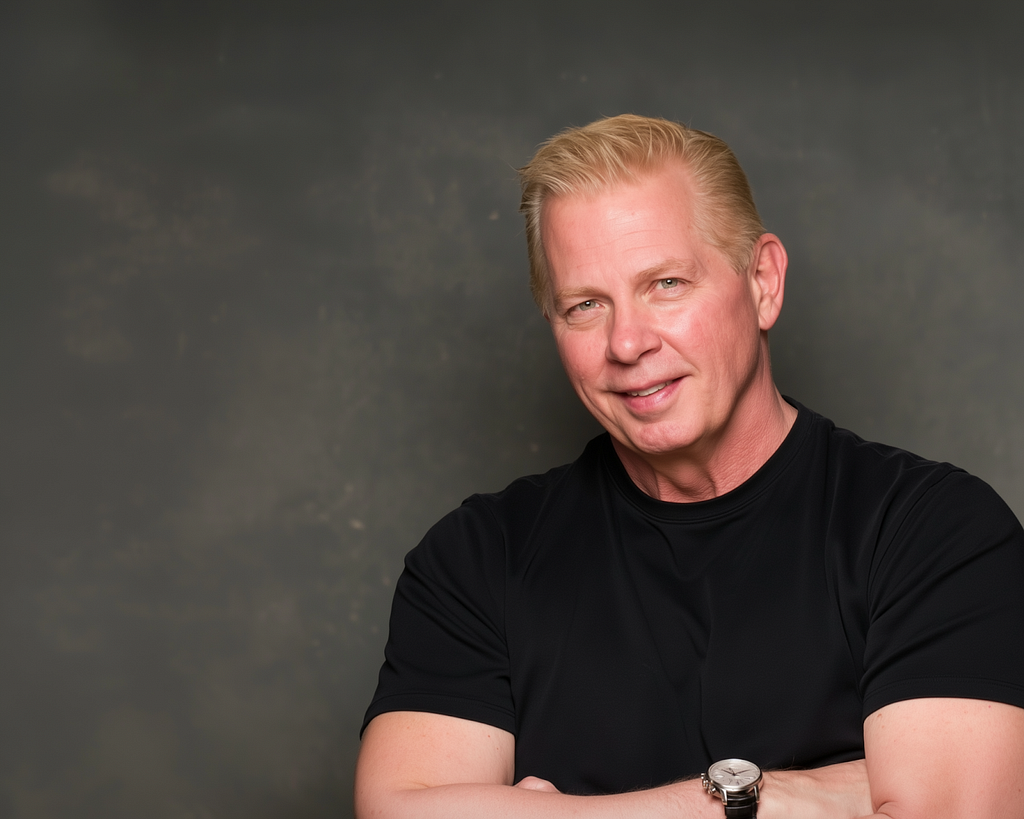
I had the pleasure of talking with Earl “the Pearl” Thompson. Earl tells his story in a single word: resilience. He grew up in a South Side Chicago household that rarely let people in. His father, a World War II veteran with shrapnel scars and a drinking problem, worked the freezing docks with a sixth-grade education. His mother had once skated roller derby, then retreated inside with agoraphobia. There were no playdates, no revolving door of friends, just a kid learning to read the room and find space where he could. Sports became that space. A natural lefty with fast hands and what he calls an electric arm, he was the grade-schooler picked over older kids, the ten-year-old who could handle games with teenagers. By high school, he imagined a path that ended in a stadium.
The classroom was a different story. He skipped often and coasted until a Spanish teacher pointed to a stack of missed tests. The conversation that might have ended his senior year turned when a department head pulled his file and noticed his aptitude scores. A little timely intervention and a disputed theater-arts credit nudged him over the line to graduation. He took the ACT on short notice, hit the number he needed, then boarded an Amtrak to Southern Illinois University Carbondale. He arrived before dawn without housing or paperwork and slept on his duffel in the station until a clerk took pity, drove him to fraternities, and pointed him toward financial aid. By nightfall, he had a bed and a plan. That unlikely start set the tone for what came next.
Thompson earned a bachelor’s degree in psychology, then pursued a master’s in rehabilitation counseling. A drunk driver clipped his car before his first semester ended, and a fractured thoracic vertebra forced a year-and-a-half detour. He finished the degree and entered a field that fit his instinct to translate adversity into action. For a decade he placed people with disabilities back into work, mapping capabilities, limits, and transferable skills. Side work as an impartial vocational expert at Social Security hearings followed, and after one appearance a lawyer pulled him aside and asked if he would testify in workers’ compensation and long-term disability cases. He said yes, learned as he went, and found that the same steadiness he had used to coach injured workers through change played well under oath.
Within a year, one of his evaluations reached the Georgia Supreme Court and helped shape state workers’ comp law. The phone calls multiplied. He opened his own shop and built a reputation on both sides of the aisle, hired by plaintiff and defense attorneys in cases that ranged from employment law to medical malpractice.
Athletics still framed his life even after his pitching arm betrayed him. He had thrown a baseball in the low 90s and a football absurdly far before repeat shoulder injuries and surgery reduced the heat. Semi-pro ball with an Orioles feeder team kept the dream flickering until the pain made the decision for him. He poured that competitive energy into travel softball for about twenty-five years, eventually managing a team that finished first in Georgia and fifth in the country, and he let that chapter close when his body told him to listen. He moved to Georgia for family, took solace in long rounds of golf in winter, and built a routine that included a boat on a lake, season tickets, and a calendar full of concerts and plays.
Loss arrived anyway. Thompson’s second wife died of leukemia, and he is frank about the shock waves that followed. He speaks about emotional landmines that sit dormant until a new relationship trips them, and about the work required to own the reaction rather than make it someone else’s burden. That openness helped him say yes to something he never expected. In 2024 a friend pushed him toward a new Bravo reality series, Love Hotel, centered on successful women and the men who pursued them. He resisted, then filled out an application and kept clearing interviews. A late-August text said he was in. Four days later, he was on a flight to Cabo.
On the show, he became the gregarious presence in white alligator shoes, the guy who remembered the crew’s names and defused tension with a joke or a line dance. A first-date request from Shannon Storms Beador turned into a season-long storyline built on long talks and second chances. After filming, they tried the distance for a couple of months, then parted on good terms. He came home with a bigger audience, a fuller contacts list, and a habit of answering messages from strangers who said they saw something familiar in the way he handled chaos.
The nickname predates reality TV. In college at Phi Sigma Kappa, Earl the Pearl stuck, helped along by a generation that had just watched E.T. and by the shadow of Earl “the Pearl” Monroe. Thompson leaned into it. He says the name shifts his posture, keeps him light on his feet and ready to talk, whether in a crowded bar or on a witness stand. The counsel he returns to is even simpler. Be kind and listen. If you are talking, you are not listening, and if you are plotting your response, you are not listening either. It is a modest prescription from someone who built a career in hard rooms, a reminder that the quiet work of paying attention can move people further than grand speeches ever do.
Yitzi: Earl Thompson, it’s a delight and an honor to meet you. Before we dive in, our readers would love to learn about Earl the Pearl’s personal origin story. Can you share with us the story of your childhood, how you grew up, and the seeds for all the great things that have come since then?
Earl: It’s a pleasure to meet you, Yitzi. If I had to describe my life in one word, it would be resilience. I grew up with a dad who was in World War II. We were his second family. He had bullet holes in his leg, war wounds, and served on ships that were on fire. He had a really bad drinking problem.
He worked every day on the docks of Chicago, which is brutally cold, and he did it with just a sixth-grade education to provide for his family. He wasn’t a perfect man, but I learned to forgive him later for not being a great dad.
My mom was in the roller derby on the South Side of Chicago in her early years. Later, she developed agoraphobia, a fear of open spaces and people. So my whole life, I grew up in a house where there were never any friends over, an alcoholic father and a mom who never left the house. You can imagine how that shaped her personality.
I saw a lot of difficult things growing up. Eventually, I went to college, though I barely made it there. I was always very athletic and a lefty. Sports were my escape from everything at home. I was always picked to play, even over older kids, because of my athletic ability.
By the age of 10, I was playing with 17-year-olds, and I could beat them. I had what I called an electric arm. I didn’t know what it would turn into, but I threw really hard. I could catch anything. I had great hand-eye coordination. So I figured I’d probably end up a professional athlete. Because of everything going on at home, I didn’t put in much effort at school.
In my senior year, my Spanish teacher came up to me. She loved me, but she said, “Earl, you’ve missed over 50 days.” I said, “Okay, what’s that mean?” She said, “You’ve taken one quiz, missed four tests, and probably 15 quizzes.” I asked again, “Okay, what’s that mean?” She said, “I can’t pass you.” I told her, “If you don’t pass me, I won’t graduate.”
She said, “If I let you pass, you won’t learn from this experience.” I turned on the waterworks, “Please don’t do it.” Eventually, I pulled the classic Chicago move: I went over her head to the head of the language arts department and told him what happened.
He pulled my file and said, “Wow. Do you realize you’re in the top 10% aptitude-wise among all your fellow students?” I said, “What’s an aptitude?” He explained it was an innate learning ability. I said, “Really?” Then he asked, “Where are you going to college?”
I told him I hadn’t planned on going. I was aiming to get a tryout with the White Sox or the Cubs. He said, “With scores like these, you really should go to college.”
To make a long story short, he said, “Let me see what I can do.” He talked to a friend in the theater arts department, called me back into his office, and said, “Do you remember being a theater arts aide two years ago?”
I said, “I’ve never been a theater arts aide.” He repeated, “Let me ask again, do you remember being a theater arts aide?” Then it clicked. I said, “You know, I might have been.” He said, “Because with that extra credit, you’ll graduate.”
They forged my transcript. I was able to apply to two different colleges. He helped me sit for the ACT. At the time, I was living with my brother in a roach-infested apartment. We had no money. He bought me a Kaplan ACT study guide. I studied for a week, took the test, and he gave me 50 bucks and a train ticket to Champaign-Urbana.
I took the test and scored a 20 overall. You only needed an 18 to get into state colleges. I chose to go as far from my parents as possible, Southern Illinois University Carbondale. That’s a whole story in itself.
He gave me another $50 and an Amtrak ticket. I packed my clothes in a duffel bag, took the train, and arrived at 4:30 in the morning. I was sleeping in the train station, using the duffel bag as a pillow. The guy behind the counter came out and said, “You can’t sleep here.”
I said, “I really don’t have a choice. It’s 4 a.m. I have no place to live, I’m not enrolled in college, and I don’t have my financial aid in order. I’m trying to handle all three tomorrow.”
He took pity on me. He said, “That’s quite a story. When I get off work, come to my apartment, get some sleep. I’ll take you around to some fraternities, see if you can find housing. Then I’ll take you to financial aid and the registrar’s office.”
By the end of that day, I was enrolled in college, my financial aid was in order, and I had a place to live with a fraternity. It changed my life. I gambled on myself. It could’ve gone a lot of different ways, but I took a chance, and that’s how I got into college.
So that’s Earl’s origin story. Pretty wild, huh?
Yitzi: That’s amazing. You’re an amazing storyteller, Earl. So tell us the next chapter. How did you start your career?
Earl: I finished my bachelor’s degree in psychology. I had pretty good grades, but not quite strong enough to get into a top-tier PhD program. One of my mentors in my fraternity said, “Hey, I just graduated from a master’s program in rehabilitation counseling. With your GPA, around a 3.2, you can get into that program, finish it, and if you still want to go for a PhD after that, you’ll be in a better position.”
So I applied, got accepted, and started the program. But right before the end of my first semester, I was coming home from a volleyball event with one of my buddies, and we got hit on the passenger side by a drunk driver. It spun us around, and I ended up with a fractured thoracic vertebra. I had to leave school for about a year and a half until I got the settlement, but after that, I went back and finished the program.
That’s when I started my career in rehabilitation counseling. I worked with people with disabilities, helping them find jobs, making sure everyone involved understood their work capabilities, restrictions, and transferable skills. The goal was always to place them back with their original employer, or with a new one if needed. I did that for about 10 years.
Then I began testifying as an expert witness in Social Security hearings. They call us “impartial vocational experts,” meaning we don’t have any skin in the game. They ask us questions about a person’s ability to work, and we try to identify jobs for them based on hypotheticals involving their education, work history, and limitations.
At that time, I was doing the expert witness work part-time, while still working full-time in case management. After one hearing, an attorney pulled me aside and said, “I really like the way you testify. Would you ever consider testifying in something else?” I asked, “Like what?” He said, “A workers’ comp case or a long-term disability case.” I told him I’d never done that before, but I was open to it.
That one opportunity, again, scary, because I didn’t know what I was doing, pushed me forward in my career. I learned, I figured it out. Turned out, that attorney worked for a very large law firm in Macon, Georgia, about two hours from me. The next person he introduced me to in the firm was a big name in workers’ comp, and he started using me exclusively.
Around that time, I decided to open my own business. I was developing carpal tunnel from all the paperwork I was doing as a case manager. So I pivoted. I started evaluating people with injuries and testifying as what they call a job expert or vocational expert.
Within the first year of testifying, one of my cases went all the way to the Georgia Supreme Court and actually changed workers’ comp law. That’s when I realized I had something special. I’d be on the stand, and there’d be a room full of attorneys and their clients waiting for their turn. I’d finish testifying, walk out of the courtroom, and every single attorney would hand me their card. That’s when I thought, “Huh. Maybe I’ve got something here.”
And I did. I’ve been doing it for 27 years now. What started with workers’ comp and long-term disability has expanded into Social Security, medical malpractice, personal injury, divorce cases, employment law, subrogation, you name it. I’m the only guy in Georgia who gets hired equally by both plaintiff and defense attorneys.
It’s been a remarkable ride. In 27 years, I’ve only lost about eight cases. I stay very, very busy.
Yitzi: So tell us about the other exciting things that have happened in your life.
Earl: Well, I really believe you can create some luck for yourself, but you also have to be lucky, lucky enough to have the right people come into your life and recognize when someone is genuinely good for you. Not just from a friendship standpoint, but as a mentor, a colleague, or a sounding board.
Some people say, “I got to where I am today because of all my hard work,” and while I respect that, I don’t fully agree. Hard work is important. Being open to opportunities is important. But getting lucky is also a big part of it.
If I hadn’t had that one hearing with that one attorney that day, someone I never even saw again, would I have gone into this field the way I did? Or would it have taken another 10 years? Timing and chance matter.
It turns out I had what they call a golden arm. I could throw in the low 90s, with my fastest pitch hitting 95 miles per hour. I could throw a football 80 yards. I could even throw a football straight up in the air in such a way that it would come back down like a punt and land right back in my hands. Imagine throwing a frisbee into the air and it boomerangs back, that’s what I could do.
So for a long time, I thought I’d eventually play professional baseball. But then I tore my arm. Then tore it again. And again. It got so bad, I could reach for something and my arm would literally fall out of the socket, I had to pop it back in myself.
I had surgery, but after that, I was only throwing in the low 80s, and that just wasn’t good enough anymore. I tried out and played semi-pro baseball with a team affiliated with the Baltimore Orioles, not the major league team, but a feeder team. If you did well there, you’d get invited to minor league tryouts. But my arm was in constant pain.
Eventually, I let go of that dream and shifted my focus fully to my master’s degree and my work helping people with disabilities. And that actually gave me a kind of credibility. When you’re talking to someone who’s scared, unsure about their future after a life-changing injury, and you can say, “I lost my shot at playing professional baseball,” you connect. That shared sense of loss builds trust.
But I also tell them, “When one door closes, another opens.” I tell them, “You’ve got to close the door on who you were and open the door to who you’re becoming. Find the joy in that new version of yourself.”
As for fun stuff, I love to travel. I played about 25 years of competitive travel softball. Toward the end, I was managing a team that became number one in Georgia and fifth in the country. That was my final season, and they gave me a beautiful plaque with all the tournaments we’d won that year. That’s when I knew it was time to step away. I was getting older, things were hurting more often, and it just felt right.
After finishing my master’s, I moved to Houston for two years. I played softball there too, sometimes seven games a day in brutal heat. I didn’t love it. Eventually, I moved to Georgia. My dad was getting older, and I had two half-brothers here. I came down to visit one time, and I remember being able to play golf in December. That sealed it for me.
I’ve been in Georgia ever since, for about 27 years now.
Yitzi: Okay, so can you tell us how you entered into the entertainment industry?
Earl: Oh God, yeah. The entertainment industry, reality TV, getting on a show, was never on my radar. I mean, I had a good life. I was traveling to Europe every year for vacation. I’ve got a 51-foot boat on a lake, I belong to a yacht club, I had season tickets to the Falcons and two different theaters in Georgia. I was going to a lot of plays and concerts. My life was full and happy.
Then, out of nowhere, a friend reached out and said, “Hey Earl, I know this casting person. There’s a new dating show with successful women who don’t need a man, they want a man, and I think you’d be perfect for it.”
I told her, “Wow, thanks for thinking of me, but no thank you. I’m not interested at all.”
But she kept hounding me for about a week. “Come on, Earl, just fill out the application.” So finally I said, “All right. I’ll fill it out, throw up a few pictures. I’m probably not going to get selected anyway.”
Next thing I know, I’m interviewing with casting directors, producers, executive producers, even the network. And I just kept passing every phase. Every time I interviewed, I had them cracking up. It was a fun experience, but I was surprised each time I made it to the next level.
Then, on August 29th, 2024, I got a text that said, “Earl, you’ve been selected for the show. Congratulations. People will be in touch.”
And four days later, I left for Cabo.
Honestly, I didn’t even want to do it. Once I got the text, it suddenly felt real. I started panicking, “What am I going to do with my animals? What about my job?” I was looking for every excuse not to go.
But a bunch of friends told me, “This is a once-in-a-lifetime opportunity. Nobody ever gets to do something like this. And you’ll be in Cabo!”
The more I thought about it, the more I realized they were right. It could be a really cool experience.
So, the day before, on a Saturday, I finally started packing and decided I’d go.
And honestly, it was one of the best decisions I’ve ever made.
I met so many amazing people, not just the cast, but the producers, executive producers, the hotel staff, lighting crew, sound crew, photographers. Everyone was so sweet, so loving, so kind. They were there for us, which was incredible.
I wouldn’t change a thing about it.
Yitzi: Can you tell us your favorite story from that experience?
Earl: Oh man, I have a few. Let me think.
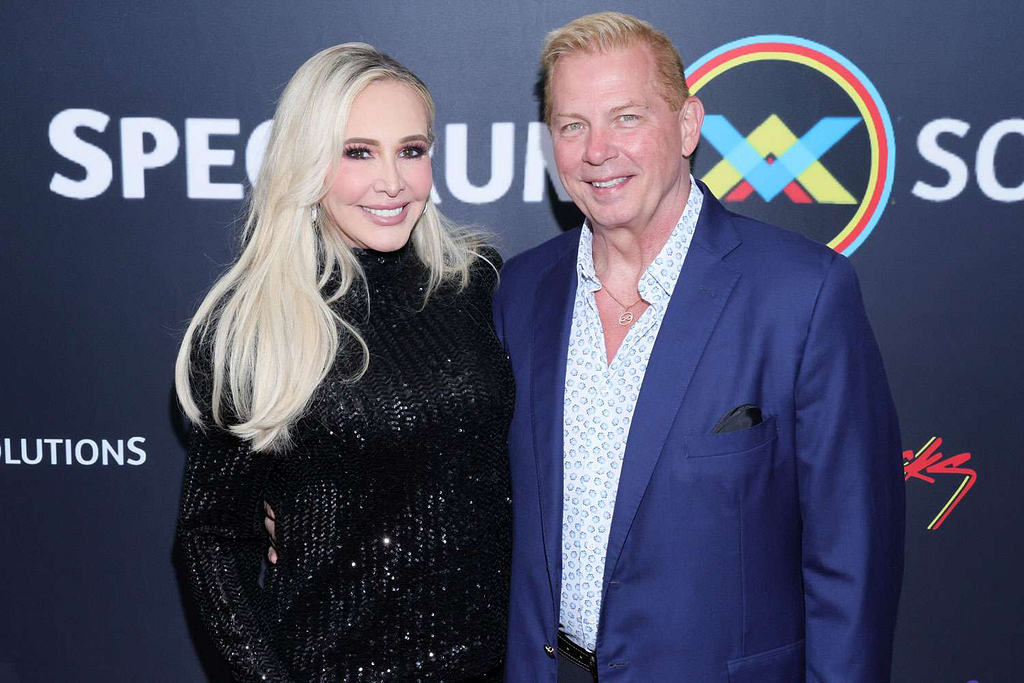
I think the first magical moment was when Shannon asked me on our first date. They came and got me, and I’m walking over, and I can see way down the path that Shannon’s standing there with a bunch of camera crew behind her. I walk up and say hi, and she goes, “I’m just going to tell you this, I’ve never asked a man on a date before, but I’d really like you to go on a date with me.”
And I said, “Well, let me just tell you, you did an excellent job. And I’d love to go on a date with you.”
That was really special. It felt great that she chose me out of all the guys. We didn’t go on the date that day, but that moment was the beginning of something between us.
Then, within the first week, it was Nick’s birthday. It was what’s called a dark day, which means we weren’t filming. They were kind enough to let us throw Nick a birthday party. And that’s when the spontaneous line dance happened. I don’t know if you’ve seen it, but it was pretty special.
We were all laughing, smiling, dancing. After that, the crew started coming in, lighting crew, producers, accountants, even security. That was the first time I realized I had something going. Everyone knew my name. People came up to me saying, “Earl the Pearl, I love you, man,” giving me hugs. Guys, women, everyone wanted to sit and talk.
These were people I saw every day, and I always made a point to say hi, ask how their day was going. Maybe not everyone else did that, but I always took the time. I think they picked up on that, and maybe they saw something in me.
That was the first time I thought, “Huh, this is pretty cool. Every single person who came up to me knew my name, Earl the Pearl.”
The last big moment was when Shannon asked me to leave the hotel with her. By that point, we’d had a few ups and downs, but we had just shared the previous night together in the presidential suite.
With Shannon and me, no matter what happened, we always found a way to reconnect. We’d let go of whatever happened and move forward. But I honestly didn’t know if she’d want to leave the hotel with me.
And she did.
After the show, we dated for about two months. She came to Atlanta, and I flew to California and met her family and friends. During those two months, there was only one day we didn’t talk. Usually, we talked four or five times a day.
She’d video call me while she was getting her hair done, or when she was out with friends, and she’d introduce me to everyone in the room. We really immersed ourselves in each other’s lives.
That was pretty special.
Yitzi: Are there any lessons that you’ve learned about yourself from the experience?
Earl: Yeah. Losing my wife to leukemia was really tough. You think you’re ready to move on sometimes, and you’re not. It’s kind of like putting your foot in a hot bathtub, you stick it in and go, “Nope, not ready.”
You don’t really know until you start putting yourself out there. But every time you do, you get a little closer to where you want to be.
When I was on the show, I had finally reached a point where I was emotionally ready. I was in the right frame of mind. I knew I could open up again, and I did that a lot on the show. I was ready for a relationship again. Shannon and I gave it our best shot, we really did. But sometimes the distance is just too much, or the personalities are just better suited as friends.
One thing I learned is that there are certain emotional “landmines” that lay dormant inside you. And someone can either trigger them or not. When they do come up, it can freak you out, because it brings up feelings you haven’t had in a long time.
But it made me realize, okay, this is something inside me that I need to address. And I need to talk about it with the other person in a kind and loving way, take responsibility for it. Because I did that, I think that’s one of the reasons Shannon and I were able to get through so many tough moments.
There are so many life lessons I took away from that show. How to take accountability when you mess up. How to really listen to what the other person is feeling, as a man, to truly care, not just sit there distracted, looking at the TV in the corner. To be fully present in the moment with them.
I also learned how to de-escalate a situation, and to recognize that sometimes you think it’s de-escalated, but it’s not.
I really hope people across America were having conversations while watching. Like, “How would I have handled that situation with the hurricane? How would I react if someone gave me that look? How would I respond today?”
Based on the messages I’ve received, it seems like people were talking about it. I was shocked by how many fans wrote to me. To this day, I’m still surprised when people recognize me, come up, and want to take pictures.
I think it’s really special. Anyone who writes to me, I always try to write them back. Maybe someday that’ll be harder to keep up with, but right now, if someone takes the time to write me, whether it’s kind or not, I feel like I should write back.
And I think that surprises people, that someone from a TV show is actually writing them back.
But I truly see it that way. Time is so precious. And if you’re taking the time to reach out to me, then I should take the time to respond. Even just a little something.
Yitzi: One of the things that struck me about this show, and also about The Bachelor and Bachelorette, is that it’s so different from regular dating. With regular dating, it’s just you and the other person. Here, you’re dating, but you’re constantly comparing yourself to all the other competitors. How do you not compare yourself? How do you not feel insecure? How do you stay confident in yourself when everyone else is right in front of you?
Earl: You know, that’s a great question. I think everything I’ve been through in my life prepared me for that moment, to be honest with you. When I walked onto the show, the cameras disappeared very quickly for me, because when I talk to someone, I’m looking right into their eyes. I don’t even see what’s going on to the left or right of me. I’m really focused on what’s happening with them.
I’m human, so there are times that doesn’t happen. But when it’s a very sensitive subject, I’m locked in. And I think people picked up on that. The people who write to me have said it over and over again: “You were a breath of fresh air for reality TV. You were genuine, you were authentic, you took responsibility for your actions. And you were funny.” I’ve always cherished that part of my personality, making people laugh. I just love it.
In that kind of pressure cooker of a dating show, it gets to you sometimes. Don’t get me wrong. You need to go cool off. You might need to jump in the pool, go for a walk, step into the bathroom and just shake your head and try to clear it. It’s not easy.
I think all the guys were very genuine, but it’s going to get to you. Any dating show with competition will do that. I tried to remind the guys that it’ll pass. You’re going to feel uncomfortable at some point, and then it’ll fade. Then you go back to being yourself.
The guys helped me a lot. Ralph helped me. He came up to me one time and said, “Earl, you’re showing it all over your face.” I said, “What?” He said, “What you’re thinking, what you’re feeling. Go back to being Earl the Pearl.” So I did my little Earl the Pearl dance, and I was back to myself again.
One time I was sitting there with JB Love, J on the show, and he kicked me under the table. I looked at him, and he said, “You’re showing it, man.” So I’d have to go back to being Earl the Pearl, because it really does get to you. It’s hard to describe. You don’t want it to, but you’re only human.
But I was able to navigate it pretty well, probably better than most, because I had the most drama of anybody on the show, right? Did you watch the show? It’s a good watch, let me tell you.
So anyway, yeah. Did I answer your question on that one?
Yitzi: How did you get the nickname Earl the Pearl? Where and when did that start?
Earl: I think that started, someone might have called me that in high school, but I believe it really began in college, in a frat. I was in Phi Sigma Kappa for four years. They’re known for giving nicknames, and I’m known for giving other people nicknames too.
The movie E.T. had come out, and since my name is Earl Thompson, people started with E.T., then Earl the Pearl, then just Pearl, ETP, and all sorts of nicknames.
Playing sports also played a role. There’s that famous basketball player, Earl “the Pearl” Monroe, so if you’re an athlete, that name kind of sticks. I wore it like a mantle. It really defines my personality.
When I think of Earl the Pearl, I can’t be sad with that name. It makes me more of a jovial, gregarious type of person. So yeah, it probably started in college and just got used more and more.
I’ll tell you this though, when I got out of college, I started using it more often. You’d walk into a crowded bar and a girl would ask, “What’s your name?” I’d say, “My name’s Earl.” She’d go, “What?” And I’d say, “Earl, like Earl the Pearl.” “Oh, okay, Earl.”
It helped in those situations, and eventually, everyone just started calling me that.
Yitzi: Great. Amazing. This is our final aspirational question. Earl, because of the platform you’ve built through your great work, you’re a person of enormous influence. If you could put out and spread an idea or inspire a movement that would bring the most good to the most people, what would that be?
Earl: Wow, how long did you think about that question? That’s a powerful one.
I guess I’d have to really think about it, because you want it to be the most awe-inspiring response that could impact the most people. I’d say it’s kind of twofold: it’s so easy to be kind and to listen. Be kind and listen.
If you’re talking, you’re not listening. And if you’re thinking about what you’re going to say next, you’re not truly listening either.
I think if more people just listened instead of trying to get their opinion out, and were kind while doing it, this world would be a better place.
Yitzi: How can our readers continue to follow you at work? How can they support your work in any possible way?
Earl: I appreciate that, I really do. I can be followed at earlthepearl35 on Instagram and Tiktok and Earl Thompson “Earl the Pearl” on Facebook. It was great talking with you.
Yitzi: You too, Earl Have a great weekend.
Earl “the Pearl” Thompson on Resilience, Reality TV, and Reinvention was originally published in Authority Magazine on Medium, where people are continuing the conversation by highlighting and responding to this story.