
From Bensonhurst to Bruce Springsteen: Johnny Cannizzaro on Finding His Voice in ‘Deliver Me From Nowhere’
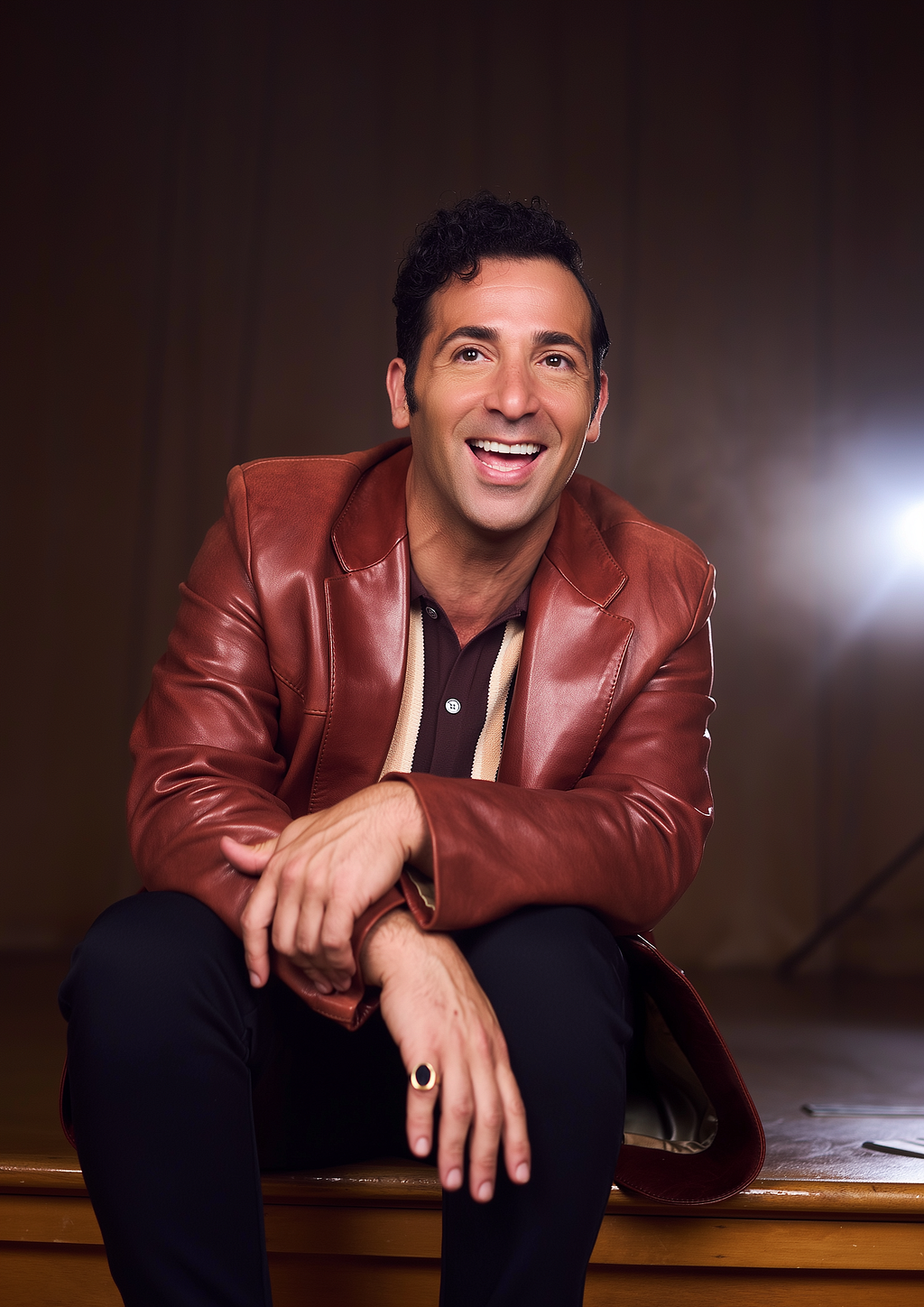
…Gratitude is very important. This is something I really battled with early on, and now I feel like I’m a completely different person. It’s so important to be grateful, even for the smallest opportunities. People don’t even realize when they’re not being grateful, I feel. I try to stop every day and make sure I’m expressing as much gratitude as possible, even if it’s just to myself in prayer…
I had the pleasure of talking with Johnny Cannizzaro. There’s a certain kind of energy that radiates from people who grew up in the shadow of New York City, a mix of street-smart grit and an almost romantic belief that if you just keep pushing, something’s gotta give. Johnny Cannizzaro has that energy in spades. It’s what carried him from an Italian-American upbringing in Bensonhurst, Brooklyn, the same streets John Travolta swaggered down in Saturday Night Fever, to the suburbs of Central New Jersey, and eventually, on a 20-year odyssey through the heart of Hollywood.
His story doesn’t start with a silver spoon, but with a simple discovery in a school auditorium. “I got into acting and performing in elementary school,” he recalls. “I used to do the school plays and had a great time. They call it ‘the itch.’ When you get the bug to perform and be in show business, you know. I discovered that very early, fortunately. I just knew instantly that I was always going to want to do it.” That itch became a compass, pointing him west to Los Angeles. But the city of dreams has a notoriously high price of admission. For his first decade, the dream felt distant. “I’ve been in Los Angeles for 20 years,” he says with a knowing laugh. “For about my first 10 or 12 years, I couldn’t get arrested, for lack of a better term. It’s such a hard business, and you have to have the perseverance to just keep going because things can change in an instant.”
For Cannizzaro, that instant came from a director as iconic as the place he was from. “About 10 years ago, I was cast in a film called Jersey Boys, directed by Clint Eastwood… Maybe I just have that Jersey look,” he muses. “It was a small role, but it was a big film, and sometimes that’s enough to give you a bit of a springboard.” But the break came with a lesson. Young and hungry, he admits he fell into a common trap. “Nobody wants to talk to actors because they can come across as desperate,” he explains. “Early on in my career, I got caught up in that trap… It wasn’t until much later that I realized people don’t like that. That’s not an attractive energy to put out.”
The path straightened out not through desperation, but through connection, and a little help from his mom. A chance encounter with one of his heroes, Chazz Palminteri, after a Broadway show could have ended with a starstruck glance. But his mother, in what he calls “the best way possible,” walked right up to the A Bronx Tale legend. “My mom went over to him and said, ‘Hey, Chazz, my son is an actor.’” She boldly asked if Palminteri would read a script her son had written. Cannizzaro was mortified, but Palminteri was charmed. “He said, ‘I don’t read scripts… But if I don’t, I think your mother’s going to kill me, so I’ll read your script.’” A mentorship was born.
It’s this sense of trusting the universe, of seeing rejection as redirection, that defines Cannizzaro’s current chapter. He speaks of a recent role he was heartbroken to lose, only for a bigger one to land in his lap. That role is Steve Van Zandt, the legendary guitarist of the E Street Band, in the highly anticipated Bruce Springsteen biopic, Deliver Me From Nowhere. The project represents a full-circle moment for the Jersey-raised actor. The preparation was intense. “I’m playing a real person,” he says. “I had to learn the guitar and how to play it a certain way… You want to honor them and do them justice.” The validation came not from a critic, but from a source much closer to home. Van Zandt’s own brother sent him a message: “Your portrayal of my brother… I know it wasn’t much to see, but you nailed it. I felt like I was watching him from when we were little boys.” For Cannizzaro, “That meant a lot to me.”
The film, he believes, offers more than just a glimpse into the life of The Boss. It’s about the brutal, beautiful reality of creation. “We all go through these dark periods, and it’s very relatable in that sense,” he says. “I want people to take away a deeper understanding of what it means to be an artist and a creative person.” It’s a theme he feels deeply, a hard-won perspective from 20 years in the trenches. When asked what he wishes he knew when he started, his answers are a roadmap for any creative soul: build a team, don’t be in a rush, fight discouragement, practice gratitude, and know that you are enough. “It takes a lot of work, meditation, and believing in yourself,” he admits.
For Johnny Cannizzaro, the goal isn’t fame; it’s impact. He tells a story about a man losing his vision who reached out to say that following Cannizzaro’s journey with the Springsteen film had brought him joy. “It made me say to myself, ‘This is the reason why I’m doing this,’” he says, his voice thick with emotion. “That’s the impact I want to have… to make art that changes lives.” From the streets of Bensonhurst to the set of a Springsteen biopic, Johnny Cannizzaro is no longer the desperate actor. He’s an artist who understands the narrative, not just the one on screen, but the one that connects us all.
Yitzi: Before we dive in, our readers would love to learn about your personal origin story. Can you share the story of your childhood, how you grew up, and what planted the seeds for all the amazing things that have come since then?
Johnny Cannizzaro: Sure. I’ll try to be as brief as possible. I was born in Brooklyn, New York, in an area called Bensonhurst, which is most famously depicted in the film Saturday Night Fever. My parents were both born there and I grew up in an Italian-American household. When I was about five years old, my two siblings, a twin brother and a slightly older sister, and I moved out to Central New Jersey. That’s where I grew up. We went through the New Jersey school district. It’s a little less crazy out in the suburbs; my parents wanted us to have a better school experience, so that’s why we moved.
I got into acting and performing in elementary school. I used to do the school plays and had a great time. I was trying to figure out what I wanted in life, and they call it “the itch.” When you get the bug to perform and be in show business, you know. I discovered that very early, fortunately. I just knew instantly that I was always going to want to do it. Once I got on that path, there was never really an opportunity to look back. And I’m still on it.
Yitzi: Can you share with us the story of your first breaks in the entertainment industry, your first films and shows?
Johnny Cannizzaro: Yes, I guess it would have been about a decade ago. Life is very strange sometimes, as I’m sure you know. I’ve been in Los Angeles for 20 years; this year is my 20th anniversary in L.A. For about my first 10 or 12 years, I couldn’t get arrested, for lack of a better term. It’s such a hard business, and you have to have the perseverance to just keep going because things can change in an instant.
In my case, I wouldn’t call it a career-changing opportunity, but about 10 years ago, I was cast in a film called Jersey Boys, directed by Clint Eastwood. It was based on the Broadway musical of the same name, and it was just an amazing opportunity. Maybe I just have that Jersey look. Something about me and these films about Jersey, I guess. It was a small role, but it was a big film, and sometimes that’s enough to give you a bit of a springboard.
I would say that was probably my first big opportunity. The problem was, at the time, I didn’t know anything about the business or how things worked. I was just excited for the gig. If I could go back in time knowing what I know now and apply it to then, I feel I probably would have been a little better off. But that’s just life; that’s experience. You’ve just got to roll with the punches and wait for the next big opportunity to come around. And here we are now with the Springsteen film, Deliver Me From Nowhere.
Yitzi: It’s been said that sometimes our mistakes can be our greatest teachers. Do you have a story about a funny mistake that you made when you were first starting and the lesson that you learned from that?
Johnny Cannizzaro: Yes. I feel like I’ve made more mistakes than most people, but I think we all probably feel that way. A funny mistake I made relates to the “desperate actor” stereotype. Nobody wants to talk to actors because they can come across as desperate and are always looking for an opportunity. Actors by nature can be perceived as very selfish people. Early on in my career, I got caught up in that trap, as I think most actors do, because we’re just so desperate for an opportunity. We want to meet everyone we can, and sometimes being a little too nice can even come across the wrong way. For years, I would do that with people, and it never really got me anywhere. It wasn’t until much later that I realized people don’t like that. That’s not an attractive energy to put out. So I would just say being overly desperate and needy for opportunity was a mistake.
Yitzi: We love hearing stories where somebody who’s a bit further ahead opens up a door or creates an opportunity that changes another’s career trajectory. Do you have a story where that happened to you?
Johnny Cannizzaro: Yes, there’s an actor named Chazz Palminteri, famous for the film A Bronx Tale. I met him once when he was doing a production of his musical, A Bronx Tale, on Broadway. I was there with my family to watch. After the show, Chazz was there, and I had never met him before. I was such a fan of his work that I was too embarrassed to even go say hi. But I was with my mom and dad, and you know how mothers can be, in the best way possible. My mom went over to him and said, “Hey, Chazz, my son is an actor. He’s a huge fan of yours and has been in L.A. for this amount of time.” He was just so gracious. My mother asked him if he would read a script that I wrote, because I’m a writer as well. I wouldn’t have had the courage to ask him to do that, but it was a pretty amazing moment because he said, “I don’t read scripts. I don’t read anyone’s script. But if I don’t, I think your mother’s going to kill me, so I’ll read your script.” We started communication via email and have been very friendly ever since. I still send him scripts when I write them to get his feedback, which is great when someone is willing to believe in you, appreciate your work, and give you insight.
Yitzi: That’s an amazing story. It’s been said that ‘no’ is redirection, not rejection. Can you share a time when a rejection led to an unexpected win, success, or discovery?
Johnny Cannizzaro: Yes, I hear stories like that all the time, and they’re my favorite kind. There’s the famous one with Lisa Kudrow. She was up for this big pilot and got all the way to the end but didn’t get it. Then the Friends audition came right after. If she had gotten the first part, Friends wouldn’t have happened for her. I certainly have experiences like that. One was actually pretty recent. I can’t say the name of the project because it’s too current, but there was a role I wanted so badly to audition for and I just couldn’t get the opportunity because it was supposedly already cast. It’s a role I felt I was so meant to play, and I was truly heartbroken over not getting that opportunity. But if I had gotten it, this other project wouldn’t have come into my lap. The universe is strange sometimes, and you just have to follow its plan, as I like to say, and not question it.
Yitzi: What’s been the most challenging role or project you’ve taken on so far and why?
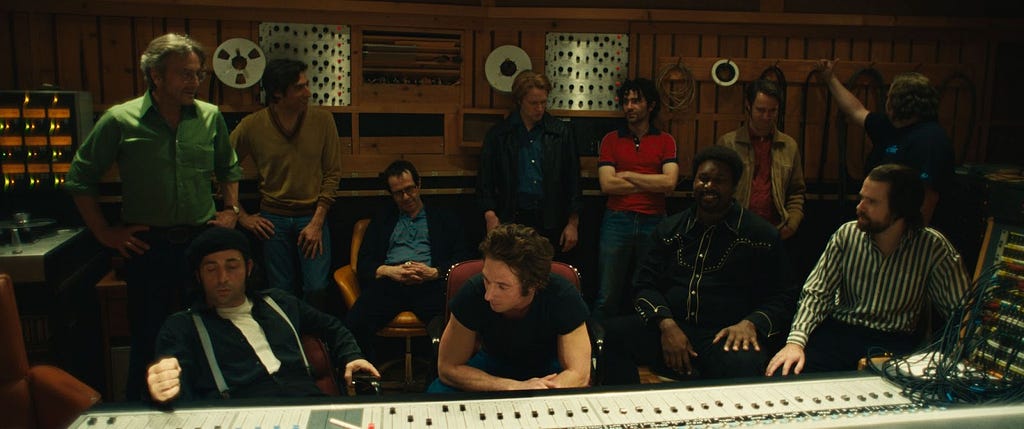
Johnny Cannizzaro: The most challenging role or project… I would say it’s probably this one. Even though the role is relatively minimal, the prep that went into it was intense. I’m playing a real person, Steve Van Zandt, who is the guitarist and arranger for the E Street Band. There are so many things about him required to portray a proper depiction. I had to learn the guitar and how to play it a certain way. There are so many little intricacies that are important. It was challenging because, even though I didn’t have to say a whole lot, it’s very important to me to nail all those things, especially if the person is still living. You want to honor them and do them justice. You don’t just want to put the guitar around your neck and start playing. Even his brother, I’m a friend of his brother, wrote me a message on Facebook. He said, “Your portrayal of my brother… I know it wasn’t much to see, but you nailed it. I felt like I was watching him from when we were little boys.” That meant a lot to me.
Yitzi: Now that you’ve brought it up, let’s hear more about the Bruce Springsteen movie. Tell us why our readers have to watch it.
Johnny Cannizzaro: Your readers have to watch it because it’s such an introspective story about someone as prominent as Bruce Springsteen. It offers a glimpse into a very emotional period of his life. We all go through these dark periods, and it’s very relatable in that sense. I’ve been getting so many messages from people saying, “Oh my God, the film was amazing because I feel like I’m not alone.” I feel there’s no greater success in creating any piece of art than to inspire people and make them feel seen and not alone. That’s the goal of any creative endeavor, for me at least. I think your readers will definitely take that away from it, sharing an experience and feeling, “Hey, I’m not alone on this creative journey or this crazy journey that I’m on.”
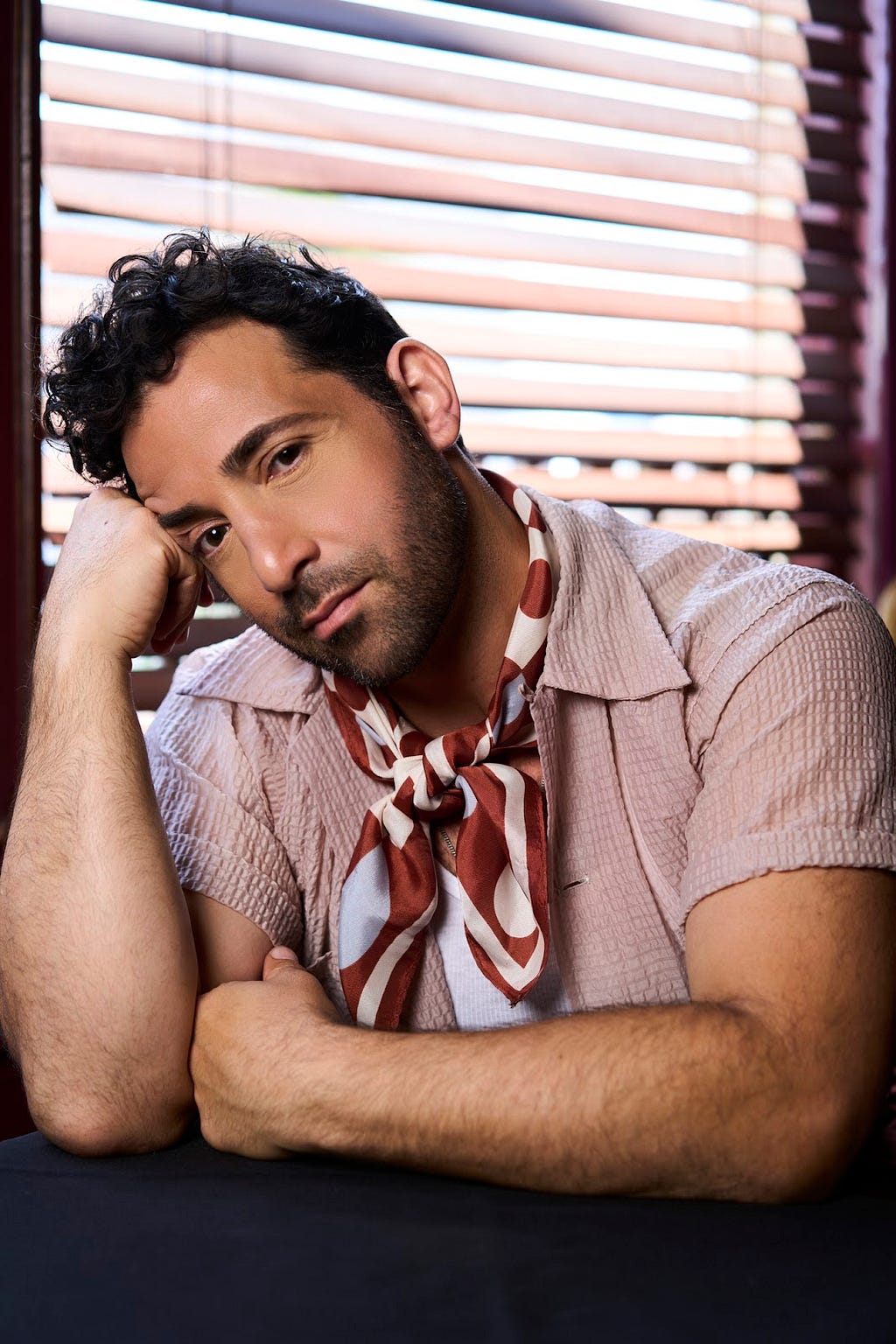
Yitzi: How would you compare and contrast your personal character with Stevie, the character you play? How are you similar and how are you different?
Johnny Cannizzaro: Strangely, there are a lot of similarities. We grew up in the same area, we’re both musicians, and we’re both of Italian heritage. I think we grew up very similarly as far as our families and the whole community of family. So, we’re very similar in that sense. Another way we’re similar is that we’re both really artists. Stevie is a phenomenal artist and creatively, he’s such a wealth of knowledge, especially when it comes to music and its history.
As for how we’re different, I don’t have that kind of insight into those things. I think he’s much more cultured than I am, at least at this point in life. I just love listening to him and to people like that who have those life experiences and are able to share them. I hope to be able to do that one day for my grandkids or for other people. I would say that’s how we’re different right now.
Yitzi: As you know, Bruce Springsteen is iconic. He is almost as American as Mount Rushmore. What is it about Bruce Springsteen and his band that captures people’s hearts and minds?
Johnny Cannizzaro: For me, it’s the ability to tell stories through music. If you really listen to the words he writes, yes, all the tunes are catchy and the music is amazing, but it’s really the storytelling that I love. I think that’s the mark of any truly incredible artist: the ability to tell a story. You don’t see that as much today in modern music. They’re just stories that make you feel like you’re there, living it and experiencing it with him. I think that’s why people are so obsessed with his music. It’s so easy to identify with. Despite him being a global superstar, he came from very simple roots, as the movie also depicts. For me, that would be my answer.
Yitzi: What are the lessons you hope people take away from the film?
Johnny Cannizzaro: The lessons I hope people take away from the film are a deeper understanding of artists, the creative process, and what creative people really go through. Oftentimes, we just see the final product. We hear the song, or we see the TV show or the play. But what it takes to get to that point is what people rarely get a glimpse of, and that’s what this movie is all about. I want people to take away a deeper understanding of what it means to be an artist and a creative person.
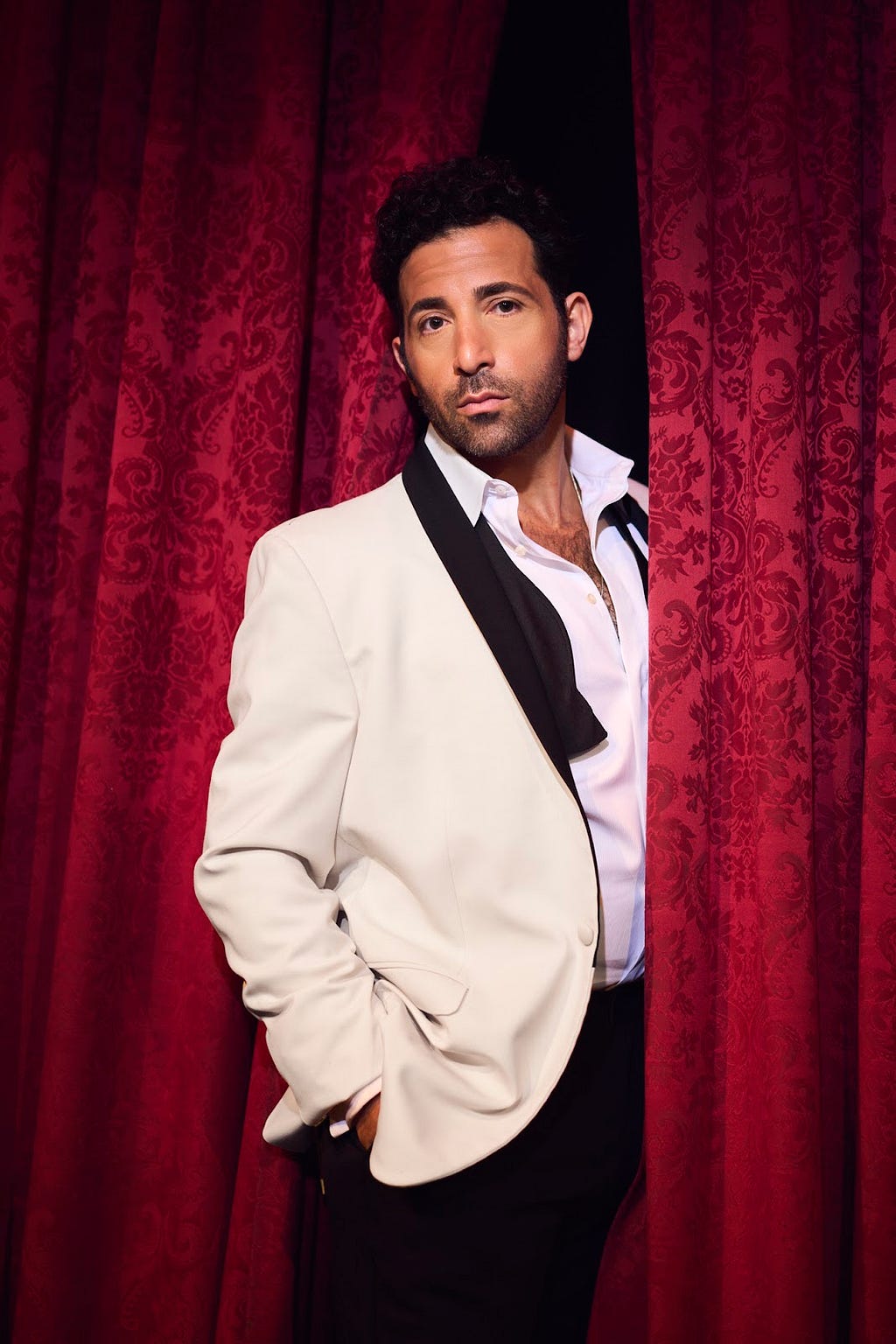
Yitzi: This is our signature question. Johnny, you’ve been blessed with a lot of success and must have learned a lot. Looking back to when you first started, can you share five things you’ve learned over the years that you wish you knew when you first started?
Johnny Cannizzaro: Oh gosh, yes. I think about this all the time.
- First, I would say to focus more on building a team and surrounding yourself with people who support you. When I first started, I thought I could do it all by myself. The reality is, you can’t. It’s impossible. You need to get champions, advocates, and people who believe in you. That’s number one.
- Second, don’t be in such a rush. Everybody wants instant gratification, especially in a business like this, because we all think we should be the next George Clooney. But you have to trust that you’re on the right path and that the universe is guiding you. You’ll get where you’re supposed to be eventually.
- Third, don’t get discouraged. It’s very easy to get discouraged in this business. I know that’s cliché, but you really have to train your mind to keep your eye on the prize. By “any means necessary,” I mean doing whatever it takes to not discourage yourself and not allow your mind to go into a dark place that will ultimately break you or stop you from pursuing your dream.
- Fourth, gratitude is very important. This is something I really battled with early on, and now I feel like I’m a completely different person. It’s so important to be grateful, even for the smallest opportunities. People don’t even realize when they’re not being grateful, I feel. I try to stop every day and make sure I’m expressing as much gratitude as possible, even if it’s just to myself in prayer.
- And fifth, I would say just know that you’re enough, as cliché as that also sounds. I have so many actor friends with low self-esteem, and I understand it because I’ve had it. Sometimes I still do. But it’s an internal battle with ourselves that we have to overcome. And it is possible. If you knew me five or ten years ago, you’d think I was a completely different person. It takes a lot of work, meditation, and believing in yourself.
Yitzi: Because of your great work and the platform you’ve built, you’re a person of enormous influence. If you could inspire a movement that would bring the most amount of good to the most amount of people, what would that be?
Johnny Cannizzaro: I’m a big believer that art can really change lives. I’ve never been in this business to become famous. I feel like when people ask actors, “Do you want to be famous?” and they say no, there’s a certain part of everyone that wants a little bit of that. But not fame so much as recognition for the work. For me, it’s about the work. I really want my work to affect and influence people and touch lives.
Someone wrote to me on Instagram yesterday telling me that he’s losing his vision and life has been really tough for him. But he’s been watching my journey with the Springsteen film, and it’s been so inspiring to him because he and his wife are diehard Springsteen fans. They even flew to Jersey to get married in Asbury Park, where Springsteen’s from and where we shot the movie. He said it’s been such a joy for him to watch my journey. It meant so much to me because here’s this guy going through all these struggles that nobody knows about. I met him maybe once, ten years ago. But for him to take the time to write that to me, it made me say to myself, “This is the reason why I’m doing this.” That’s the impact I want to have on people and on the world. So, to answer your question, it would really just be to make art that changes lives. As a writer and as an actor, it’s possible. It can be done, and I believe I have the ability to do it. That’s why I’m so passionate because I won’t give up until I get more of that feeling. That’s what it’s all about for me.
Yitzi: Amazing. Johnny, how can our readers watch the film and support your work?
Johnny Cannizzaro: I have a website, johnnycannizzaro.com. I’m on all the socials, Instagram, X, YouTube. I’m out there and easily accessible, I think.
Yitzi: Amazing. Johnny, it’s been so good to meet you. I wish you continued success and good health, and I hope we can do this again next year.
Johnny Cannizzaro: Thank you. I appreciate your time. Thank you and likewise.
Photo credit Alex Fenyves
From Bensonhurst to Bruce Springsteen: Johnny Cannizzaro on Finding His Voice in ‘Deliver Me From… was originally published in Authority Magazine on Medium, where people are continuing the conversation by highlighting and responding to this story.