Katelyn McCulloch on ‘Everybody’s Meg,’ Building Hey Old Friend, and Learning to Celebrate Every Win
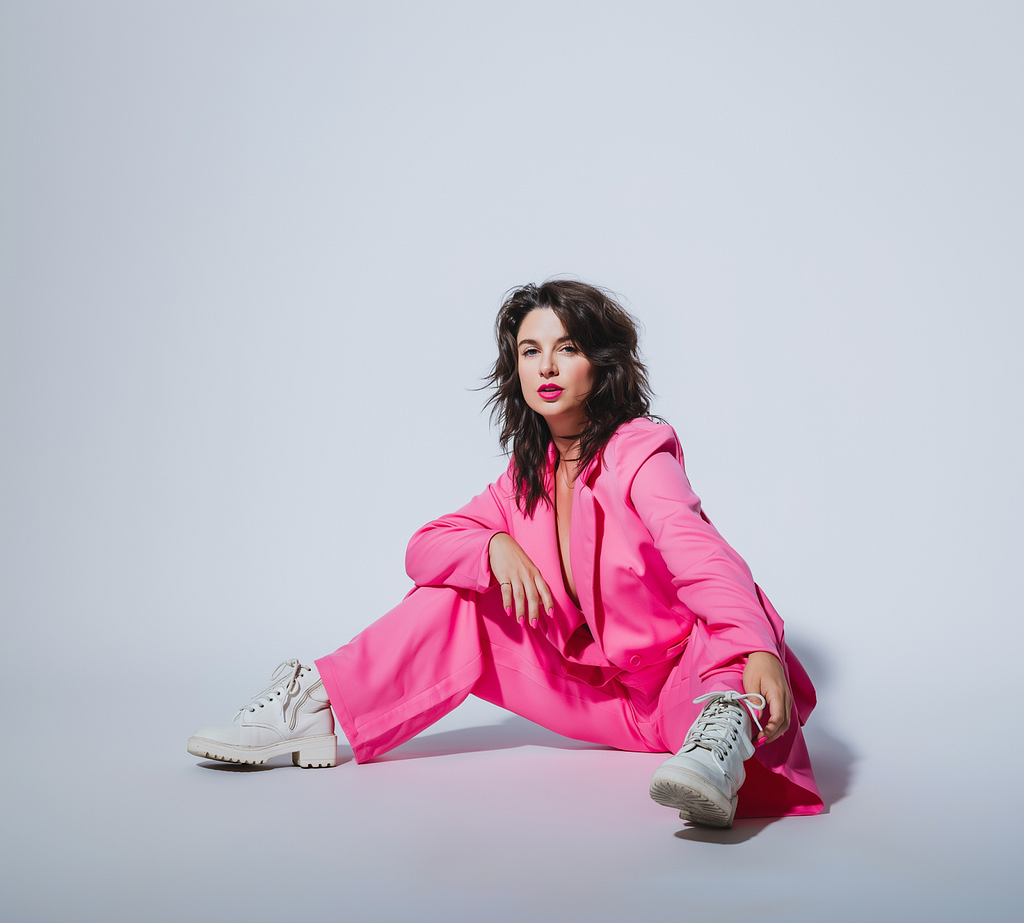
“Hey Old Friend started because I believe that making art is really about reconnecting with that best friend inside ourselves — the one we tend to lose along the way. Every time I create something, I want it to feel like, ‘Hey old friend, what’s up?’ It doesn’t have to be dramatic or intense or scary. It’s just about returning to that part of ourselves that feels grounded, playful, and honest.”
I had the pleasure of talking with Katelyn McCulloch. Katelyn grew up in Tantallon, Nova Scotia, on a street that bears the town’s name. “You don’t get more Tantallon than me,” she told me. It was a small place when she was a kid, and the scale fit her early appetite for inventing things. One week she was a neighborhood detective, the next a birthday party clown. She once picked flowers from nearby gardens and tried to sell them back. The impulse was less about the hustle than the thrill of starting something. “I just loved working. I was always trying to build something new.”
Dance came first, then gymnastics, then theater. With parents who backed every experiment, she spent junior high and high school onstage, which led to formal acting study and years in live performance. The path swerved into stand-up and a decade in circus arts before a first turn behind the camera snapped everything into focus. “I finally made my first film as a writer and director and realized, this is what all this energy and business savviness is for,” she said in our interview. Producing followed. Writing, directing, and producing clicked into a single track.
The pandemic proved to be a dividing line. With stages closed and sets quiet, McCulloch treated Canada’s emergency support as tuition. “The government is paying me to go to my own film school,” she told herself. She binged master classes and tutorials, joined workshops, and wrote. In 2020 she made Mulligan, a mother daughter golf comedy that she wrote, directed, produced, and acted in, shot in Nova Scotia. The short had a strong festival run and picked up awards, enough to push her forward. “I thought, I might be good at this,” she said. “And I just kept making more.”
Her most visible project is Everybody’s Meg, a short form comedy that began as a thirty dollar short and evolved into a series for Bell Fibe TV1. It follows an anxious thirty something who loses her job and apartment and moves home to start over. The premise mirrors a reset in McCulloch’s own life. At 32 she left Toronto, ended a relationship, packed a Honda Civic, and moved back to Nova Scotia to figure out what came next. “A lot of people feel alone in that experience,” she says. “There’s pressure to have everything figured out by 30, but it’s just not true.” The series has been acquired by Trailer Park Boys Plus for worldwide availability. McCulloch plays Carla, the over sunny neighbor. “She’s annoyingly, annoyingly nice,” she says, a satire of the Instagram cheer she distrusts. “I’m positive, but Carla takes it too far.”
Making the show meant leaning on community. Budgets were small and crews lean, so her parents’ house doubled as a set. A spike in the home’s electricity bill became a family joke. “My dad got an email that the power usage was five times the norm. He still says his big donation to Everybody’s Meg was the power bill.” Another day, a location solved itself with a single call. The production wanted to shoot outside a church. A friend connected her with the gravedigger. “He asked if we needed to go inside. I said no. He said, okay, do whatever you want, then hung up.”
Those scrappy choices run through Hey Old Friend, the company McCulloch founded and leads. The name, she says, is a reminder to reconnect with the inner voice that work and worry tend to drown out. “Every time I create something, I want it to feel like, hey old friend, what’s up,” she told me. The company focuses on funny, feel good, female driven stories, and on giving women space to lead. Mentorship threads through the mission. She credits actor and producer Jonathan Torrens as a force who opened doors. “He empowered me completely, let me ask questions, watched all of my films, and even did outreach on my behalf,” she says. She tries to pass that on, from paying for lunches while someone shadows on set to elevating early collaborators into department heads.
Producing is the role she finds toughest. Writing, directing, and showrunning feel natural, she says, while producing requires an endless command of contracts, unions, insurance, and distribution. Her advice to newcomers is simple. “Instant forgiveness. You only know what you know, and once you know better, you can do better next time.” She learned the hard way that success creates paperwork. “Have paperwork,” she says. “Even if you’re working with best friends or family, you never know what’s going to happen.”
McCulloch has a list of lessons she wishes she had heard sooner. Pain is temporary, a line borrowed from aerial silks, where bruises fade. Your voice is the draw, so trust it. Do not take yourself too seriously. Lead with integrity, especially when decisions feel messy. And celebrate the small wins. “Nobody’s coming to save you,” she says. “When you hit send on that big email or finish that first draft, get your favorite dessert and celebrate yourself.”
The work can be consuming, so she treats self care as a craft. Mornings start with a walk by the ocean. She teaches Pilates and returns to movement when edits and deadlines pin her to a chair. Hydration is a goal she now takes seriously. And she protects time with people who replenish her. “That reciprocal energy is everything,” she says.
Asked about influence, she frames it as permission. “Never let anyone dim your light,” she says. “Be too much. Be loud.” If she could pick a power lunch, she would seat Amy Poehler next to Tina Fey, mentors at a distance whose careers and friendship model the kind of work she wants to build. The rest is on the page and on the set, where the inner best friend she named her company after still has the last word. “I’m my own best friend,” she says. “Let’s make a movie. Let’s hang out. Let’s come back to ourselves.”
Yitzi: Katelyn, it’s so nice to meet you. Before we dive in deep, our readers would love to learn about your personal origin story. Can you share with us the story of your childhood, how you grew up, and the seeds for all the amazing things that have come since then?
Katelyn: I was born and raised in Tantallon, Nova Scotia, in Tantallon Woods on Tantallon Crescent. I always say you don’t get more Tantallon than me. It’s a very small town — well, it’s bigger now — but when I was growing up, it was tiny.
I was always rambunctious and outdoorsy. I started businesses every week. One week I was a detective, the next I was a clown at birthday parties. Then I was picking flowers from other people’s gardens and trying to sell them back to them. I just loved working. I still do. I was always trying to build something new, always cultivating little businesses.
From a young age, I started dancing when I was three, then moved into gymnastics, and eventually theater. I was really lucky — my parents supported me in exploring all different types of art forms. My career started in performing and acting throughout junior high and high school. That’s still a big part of my life, but eventually I went away to study acting and always felt like something was missing.
I did stand-up comedy, I was a circus artist for a decade, and then I finally made my first film as a writer and director. That’s when I realized, “Oh, this is what all this energy and business savviness is for.” I’m also a producer, so it all came together. I really found my home as a writer, director, and producer in film and television.
It makes so much sense. I love that you asked that question because when I look back, it all fits.
Yitzi: So let’s hear the next chapter, please. Tell us how you first started as a filmmaker, director, writer.
Katelyn: It was the pandemic — 2020 — not sure if you heard about it, but it was pretty brutal. But it was interesting. In Canada, we had something called CERB, where the government gave us some financial support. We were really lucky. I remember reframing it at the time and telling myself, “The government is paying me to go to my own film school.”
I had been acting in film and television, but mostly worked in theater and live performance. Since I was a kid, I wrote a lot, but once your career picks up, it’s easy to lose time for that. When the pandemic hit, I did every master class, watched every YouTube tutorial I could find, signed up for workshops, and just started writing.
That’s always my advice to others: just try it. I didn’t know I could do it until I did. In 2020, I made my first film that I wrote, directed, produced, and also acted in. I shot it in Nova Scotia. It was called Mulligan — a mother-daughter golf comedy. It had an incredible festival run, won a bunch of awards, and I thought, “Oh my gosh, I think I might be good at this.” And I just kept making more.
Yitzi: So you probably have some amazing stories from your storied career. Can you share with our readers one or two stories that stand out in your mind from your professional life?
Katelyn: That’s a really good question. I think… I’m going to talk about Meg, Everybody’s Meg, which is my series. We’re just delivering the second season now. What stands out for me is the community support, because film takes a village.
I’m still new in my career, emerging in the space, so it’s definitely been small budgets and small teams. When we were filming Everybody’s Meg, we shot at my parents’ house. They gave it to us for free.
This is more of a funny anecdote, but my dad called one day because the power company had emailed him saying, “Your power usage is at a five-time surplus.” He asked, “Should we shut the power off? Is something wrong at the house?”
He had no idea we were charging all the batteries and running everything nonstop. He still jokes that his big donation to Everybody’s Meg was the power bill.
Yitzi: Anything else, any other stories that stand out in your career?
Katelyn: I’d also say that indie producing often involves a lot of “ask for forgiveness later.” I don’t want to give too many specifics and get myself in trouble, but there was a time we were shooting at a location that was kind of impromptu — we just showed up and made it work.
Actually, I can share this one because it all turned out fine. We were shooting outside a church in Nova Scotia. I was trying to get permission, but we didn’t need to go inside, just outside. I called a friend and asked if she knew anyone connected to that specific church. She goes, “Oh, my dad knows the gravedigger.”
So I end up on the phone with the gravedigger, explaining what we’re doing and asking if it would be okay. He asked, “Do you need to go inside the church?” I said, “No.” And he goes, “Okay, fine, do whatever you want.” I told him I just wanted to make sure no one else showed up and got upset. Then he just hung up, and that was it. So, a gravedigger helped get a movie made.
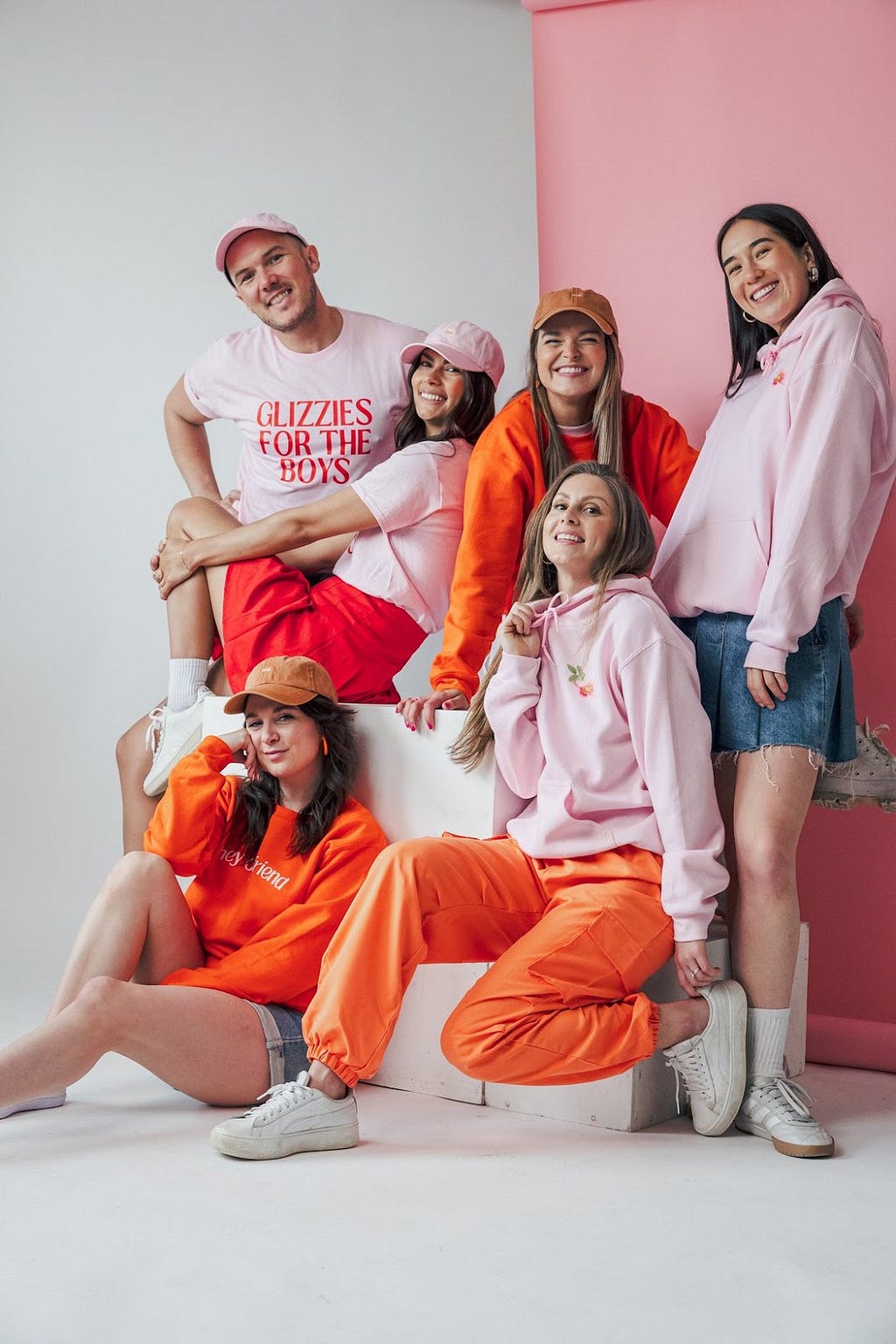
Yitzi: What’s the story behind the name of your company Hey Old Friend?
Katelyn: Hey Old Friend started because I believe that making art is really about reconnecting with that best friend inside ourselves — the one we tend to lose along the way.
Every time I create something, I want it to feel like, “Hey old friend, what’s up?” It doesn’t have to be dramatic or intense or scary. It’s just about returning to that part of ourselves that feels grounded, playful, and honest.
As we get older, it’s so easy to lose that voice. We start worrying about money, work, family, kids — everything. But I always think about that little friend inside. That voice always has the answer. It’s not always right, but it’s always trying its best.
That’s the best friend I’m talking about — the one who’s still there even when you feel lonely, which can happen a lot in this industry. I remind myself, “I’m my own best friend.” So Hey Old Friend is really a way of saying, “Hey, let’s make a movie. Let’s hang out. Let’s come back to ourselves.”
Yitzi: It’s been said that sometimes our mistakes can be our greatest teachers. Do you have any funny mistakes you made when you were first starting out, and what lessons did you learn from them?
Katelyn: One of the biggest lessons I’ve learned is that when you’re first starting out, you’re just focused on making things. No one really plans for when those things become successful.
I’ve been very lucky that it’s all worked out, but here’s the lesson: have paperwork. Always have the right paperwork in place, even if you’re working with best friends or family. You never know what’s going to happen.
For example, Everybody’s Meg started as a short film with me and two friends in someone’s apartment. It’s grown into something huge. Now, we have all the proper paperwork in place, but early on, I had no idea what was required. I was such a new producer.
You need certain documents for insurance, for distribution, for everything. And when your project takes off — and it might — you’ll be glad you were prepared. We were very lucky that Everybody’s Meg was acquired by the Trailer Park Boys Plus streaming service. But suddenly, I had to do things I’d never done before, and it was overwhelming.
So, it’s not the funniest story, but it’s my producer brain kicking in. Just have the paperwork. You’ll thank yourself later.
Yitzi: We love hearing stories where somebody who’s a bit further ahead opens up a door or creates an opportunity that changes someone’s career trajectory. Do you have a story where someone did that for you, or where you did that for someone else?
Katelyn: Yeah, I have both. I’m really lucky to have a big mentor and friend in Jonathan Torrens. He’s well known for Trailer Park Boys, Letterkenny, and a lot of other big shows, but he also runs a company in Nova Scotia. He gave me the opportunity to act on one of his shows — just called me out of the blue and offered me the role.
He empowered me completely, and being on set with him, he was always open to letting me ask questions about directing or producing. He’s a great mentor to a lot of people, and when I was really trying to make things happen, he watched all of my films, got on a call with me, and started doing outreach on my behalf — without me even asking. He just knows how hard it is to get started.
I’ve really tried to carry that forward. Whenever I work with someone new or meet someone emerging in the field, if I can offer a reference or tell someone about them, I do. In the arts and in film, that kind of support — referrals, word of mouth — it can mean more than your actual work sometimes. A lot of our films never get widely seen, or they only play at festivals.
My company is all female-driven, and it’s really important to me to offer those opportunities, whether it’s mentoring a young woman or even an older woman who’s new to the industry. Sometimes it’s something as small as paying for someone’s lunch while they shadow on set, but that chance to be there and learn can be huge.
One success story that stands out is someone who showed up to take stills on my very first short film. Five years later, she was the costume designer for the latest season of my series. That was her first opportunity, and giving her a head of department role years later felt incredibly special.
Yitzi: What’s been the most challenging project or role you’ve taken on so far and why?
Katelyn: I would say producing is probably the hardest role for me. Directing, writing, and showrunning feel really intuitive. They’re about leadership and working with people, and I really excel in those spaces. I think it’s important, especially as women, to say it’s okay to be good at those jobs. People always say, “That must be so hard,” and of course it’s hard work — but it also comes with a lot of ease for me.
Producing, on the other hand, is what I find the most fascinating, but also the most difficult. You’re balancing so many departments, dealing with different contracts and unions, and trying to learn all the rules — which is a massive amount of work.
For anyone just starting out in producing, I always say: instant forgiveness. You didn’t mess up. You didn’t do anything wrong. You only know what you know, and once you know better, you can do better the next time.
That’s been the biggest challenge for me as I grow my company and my career as a filmmaker. I always hire help, of course, but at the end of the day, I’m the boss. So I do need to understand everything I’m signing.
Empower yourself — get lawyers, get agents, or surround yourself with people who know more. Producing is such a big part of filmmaking, and sometimes people think, “To do the creative job, I have to do this other part too.” But if you really don’t want to do it, find someone else who does.
I actually love producing, but it’s definitely the most challenging because there’s so much information, and it’s constantly changing. Staying on top of that is the hardest part for me.
Yitzi: So let’s talk about your work. You mentioned Everybody’s Meg. Tell us about all the exciting things you’re working on now, and what you hope to be working on in the near future.
Katelyn: Yes! Everybody’s Meg is a short-form comedy series that’s on Bell Fibe TV1, and it will soon be available worldwide on Trailer Park Boys Plus, which I’m so excited about.
I really love the origin story of this project. It started as a short film we made for $30 with my co-creators. Then it turned into a pitch, which became season one, then season two, and now this big acquisition.
The show follows an anxious, neurotic thirty-something woman who gets laid off from work, loses her apartment, and has to move home and start over. It explores all the trials and tribulations of feeling like you’re constantly failing in your 30s — which I’ve definitely experienced.
When the show first came together, I was 32. I completely changed my life. I left Toronto, left a relationship, packed whatever would fit in my Honda Civic, and moved back to Nova Scotia. I was living at my parents’ house and had no idea what was next, but I knew I needed a big change.
A lot of people feel alone in that experience, especially women. In your 30s, you might want to change your job, your relationship, or something huge about your life, and there’s this pressure — like you’re supposed to have everything figured out by 30. But it’s just not true. That idea is a lie.
What I love about this show is that so many people say Meg feels like a best friend. Even though she’s an underdog and often failing, she’s trying her best. That’s what makes her so relatable.
The show reflects the kind of comedy I love most — it’s really funny, but it’s also heartfelt. I think comedy can be an entry point into some of our biggest emotions and our deepest vulnerability, and this show really leans into that.
Yitzi: You also act in it?
Katelyn: I do! I play a supporting role. I’m not the lead — the lead is the incredible Maddy Foley, who’s also my co-writer and one of the co-creators of the show.
I play Carla, the girl down the street who’s super nice and positive, and therefore very easy to hate. She’s annoyingly, annoyingly nice.
Yitzi: How would you compare and contrast your personal character, Katelyn, with Carla, the character you play? How are you similar, how are you different?
Katelyn: That’s a great question. It’s funny because Carla is, in many ways, a satire of things that drive me nuts — especially when it comes to Instagram culture and toxic positivity. I can’t stand that kind of fake, overly curated optimism.
That said, I’m actually a very positive person. I genuinely believe things will work out, and I work really hard. I’ve also been lucky to grow up in a positive family environment and to surround myself with amazing people, so a lot of my optimism comes from that.
But Carla takes it too far. She’s all “live, laugh, love” — and I’m more like, “Let’s hang out and chill.” So we share a sense of positivity, but hers is a bit much.
Also, Carla appears to have her life together in her 30s, which, when we first started the show, I absolutely did not. So in that way, she was a lot more put together than I was at the time.
Carla also represents something I genuinely admire in other people: she’s just happy with her life as it is. I’m very ambitious, I’m a perfectionist, and I’m always striving for the next thing. Sometimes I need to remind myself that it’s okay to just enjoy the moment and be content.
Carla, in a way, teaches me that. She reminds me that you can just love your life and have a good time. You don’t always need to be seeking or chasing the next goal — but I’m definitely a seeker by nature.
Yitzi: This is our signature question, the centerpiece of the interview. You’ve been blessed with a lot of success. Looking back to when you first started, you must have learned a lot from your experiences. Can you share five things that you’ve learned now that it would have been so nice to get a heads up about when you first started?
Katelyn: Oh, what a great question.
- Pain is temporary. This is something I actually learned from being a circus artist. I did aerial silks, and it would squeeze so tight you’d be bruised, but it always ended. I’ve really carried that lesson with me. I wish I had known that back then, because when you’re going through hard times, it helps to remember it’s just temporary. Pain is temporary.
- Your version, your voice — trust that it’s the most interesting thing. That’s really important. I think a lot of young creatives try to be something other than themselves, but the truth is, how you see the world is what’s compelling. That’s what I want to see from people who are creating.
- You can’t take yourself too seriously. I make comedy for a living. It’s not war, it’s a movie. My signature tagline is that I take being silly very seriously. I’m a very hard worker, but if you prioritize play and laughing at yourself, you’re just going to have a better day.
- When you’re making decisions, think about your integrity. It’s really easy to people please and worry about upsetting others, but get quiet and lead with your integrity. So much of what I’m saying is about trusting and knowing yourself. That gets easier as you get older, but I wish someone had told me early on, “Don’t worry, just trust yourself.” If you lead with integrity, you won’t look back with regret. Even if things are hard or you make mistakes, if you stayed true to yourself, you’ll always be proud.
- And my final one, which is big for me, is: celebrate. Celebrate, celebrate, celebrate. You have to. Nobody’s coming to save you. No one was out there looking for a film by Katelyn McCullough. I had to show them what a film by Katelyn McCullough looked like. I had to show people what I had to offer. Celebrate every little win along the way. Even if it’s just picture lock. Even if you just shot the movie, or cast someone you admire. Celebrate. There’s a lot of hard work, a lot of criticism, and as things grow, the workload and the feedback only increase. So, when you hit send on that big email or finish that first draft, get your favorite dessert, your favorite drink, and celebrate yourself. Don’t wait for anyone else to do it. You have to celebrate yourself right now.
Yitzi: Can you share some of the self-care routines that you do to help your body, mind, and heart thrive?
Katelyn: I love this question. As I mentioned, I was a circus artist, I teach Pilates, and I come from a very physical background. I think a lot of creatives — especially if you’re editing, writing, or you’re a cinematographer with heavy camera gear — can easily neglect their bodies.
I walk every morning. I wake up and walk. I’m very lucky to live by the ocean, so I walk the boardwalk, and it’s the most amazing time for my mental health and my body. It’s not about punishing myself or thinking, “I’ve got to sweat.” It’s a moment where I’m honoring and taking care of my mind, body, and soul — which is what creativity really needs to thrive.
Drink lots of water. I’ve really been working on that this year. I used to be terrible at it because I’d always think, “I’ll have to pee!” But now I just make myself do it. Hydrate yourself.
And I think the biggest thing is, in your free time, surround yourself with people who bring out the best in you. People who make you feel amazing, and who you make feel amazing too. That reciprocal energy is everything. It’s easy to feel like you always need to be networking or spending time with people in the industry, but it’s just as important to be with your family, your cat, your friends. Prioritize alone time or time with people who lift you up, because this is a hard industry. That downtime needs to be filled with things that replenish you and fill your cup — not with things that knock you down.
Yitzi: This is our aspirational question. Katelyn, because of your amazing work and the platform you’ve built, you’re a person of enormous influence. If you could put out, spread an idea, or inspire a movement that would bring the most good to the most people, what would that be?
Katelyn: Never let anyone dim your light. You have to shine bright. We were all put on this planet to be our weird, unique, wacky selves. Let your freak flag fly.
We spend so much time worrying about what people think of us that we start showing up to conversations or work situations with a version of what we think we should be doing. But just shine bright. And if anybody is dimming your light, remove yourself from that situation. You have to. You’re here to be you.
So many creatives find their way into film, television, theater, the arts — and I’ve been there too — only to lose themselves trying to be “good.” The good student, the good actor, the good whatever. But once you let that go and focus on shining bright, everything changes.
If someone is trying to make you smaller, if you’re at a table being loud and funny and someone says, “Can you calm down?” — they’re not your people. Don’t calm down. Don’t sit down. Don’t be quiet. Be too much. Be loud. It’s so important.
I think that applies to everyone, but especially for women. My company and my work are so focused on the female voice, and I think women have been taught to be small, to shrink, to be better when we’re appeasing or always saying yes. But it doesn’t have to be that way. It’s about being your most authentic self.
Yitzi: This is our matchmaker question. It works a lot of times. We’re very blessed that prominent leaders in entertainment and business read this column. Maybe we could connect you. Is there a person in the world, in Canada, or the US you’d like to collaborate with, have a power lunch with, or grab a coffee with? We could tag them on social media — maybe we could connect you.
Katelyn: Oh my goodness. I would want to have a power lunch with — this is hard. I’m going to put them together — Amy Poehler and Tina Fey. I was going to say Amy, but then I thought, no, I love Tina too because she’s also a big showrunning girl.
Amy Poehler and Tina Fey are two women I feel so lucky to have had as role models growing up. Watching them on SNL, in their movies, and seeing their friendship — they’re two women who supported each other on their way to the top. I find their work and their relationship so aspirational and inspiring. It’s something I really think about and try to cultivate in my own career — not just what you see on screen, but with the women I work with behind the camera, as producers, as artists. It’s really important to me that we’re lifting each other up and pushing each other to be better.
Yitzi: In terms of your personality, do you see yourself as similar to Amy Poehler? That’s what I picked up on.
Katelyn: Yes. That’s a great compliment. I think her energy is incredible, and she’s so funny. I’m also quite short — I’m like five two — and I remember seeing her and thinking, she’s the blonde, I’m the brunette version! I really loved her growing up, so I take that as a very big compliment.
Yitzi: Katelyn, this has been so delightful. How can our readers continue to follow your work? How can they watch your shows or support anything you’re working on?
Katelyn: Yes! They can follow my company account @hey.old.friend. The company is called Hey Old Friend, and my personal one is @McCulloughK.
Everybody’s Meg will be available worldwide on Trailer Park Boys Plus, which is a new streaming service, and also on Bell Fibe TV1, which is available in Canada. I also have some short films on CBC Gem you can watch, including I Don’t and Meg Writes a Reference Letter.
And there are more things I can’t talk about yet, but I’m developing, writing, and creating some new projects that I hope will be out in the coming year.
Yitzi: Katelyn, I wish you continued success, good health, and blessings. I hope we can do this again next year.
Katelyn: Yes! We’ll do it again, and I’ll have some more updates.
Katelyn McCulloch on ‘Everybody’s Meg,’ Building Hey Old Friend, and Learning to Celebrate Every… was originally published in Authority Magazine on Medium, where people are continuing the conversation by highlighting and responding to this story.